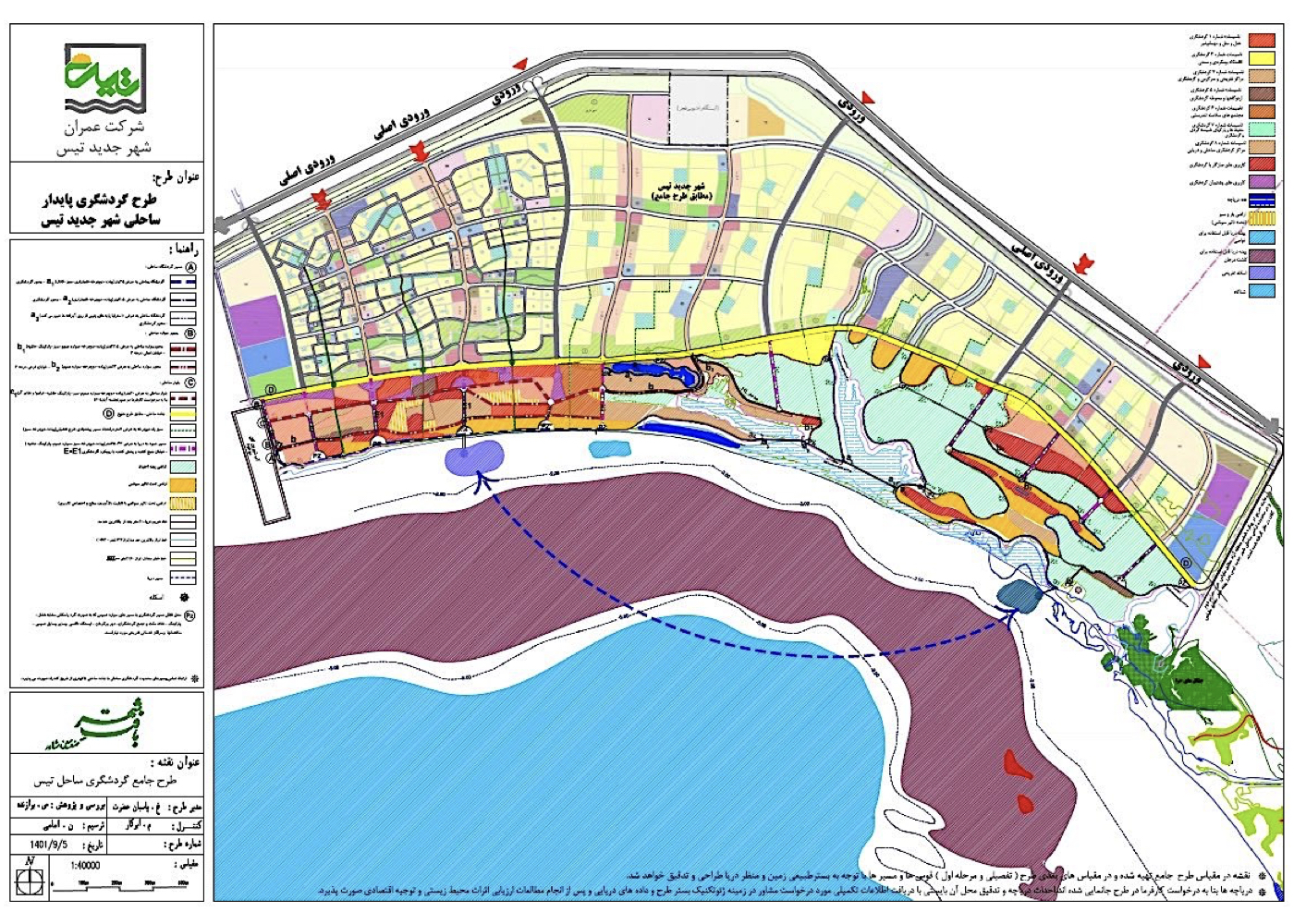
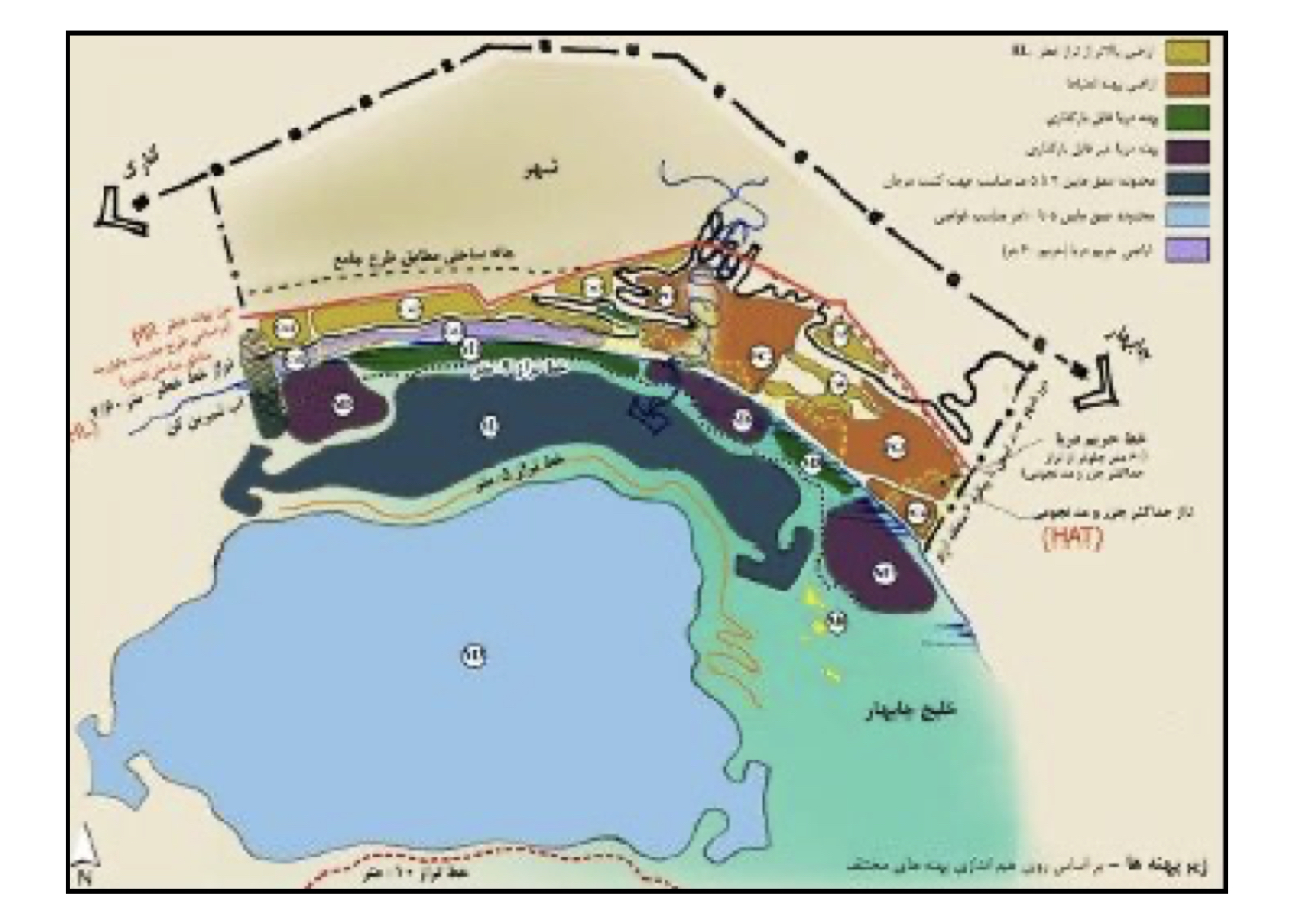
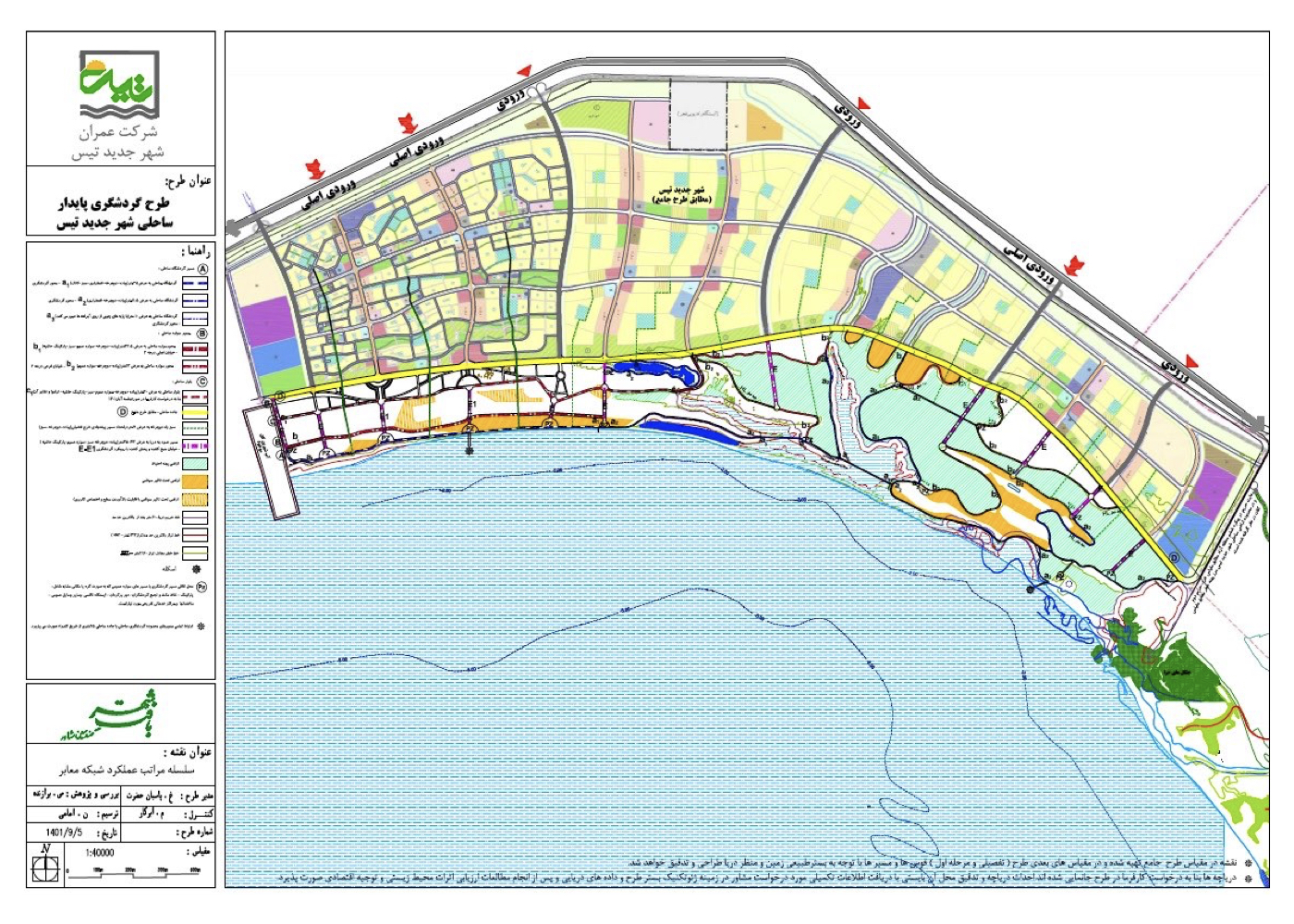
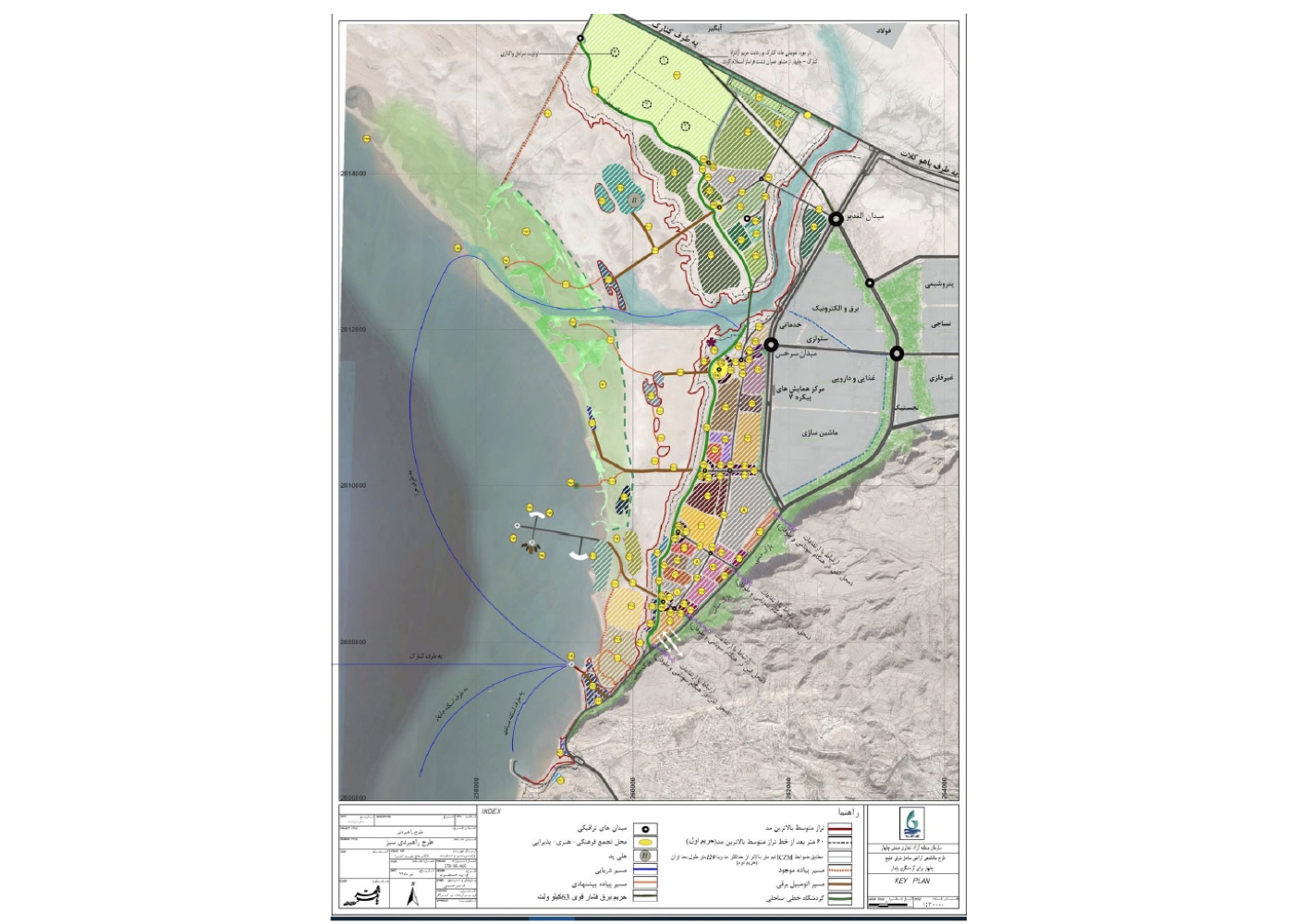
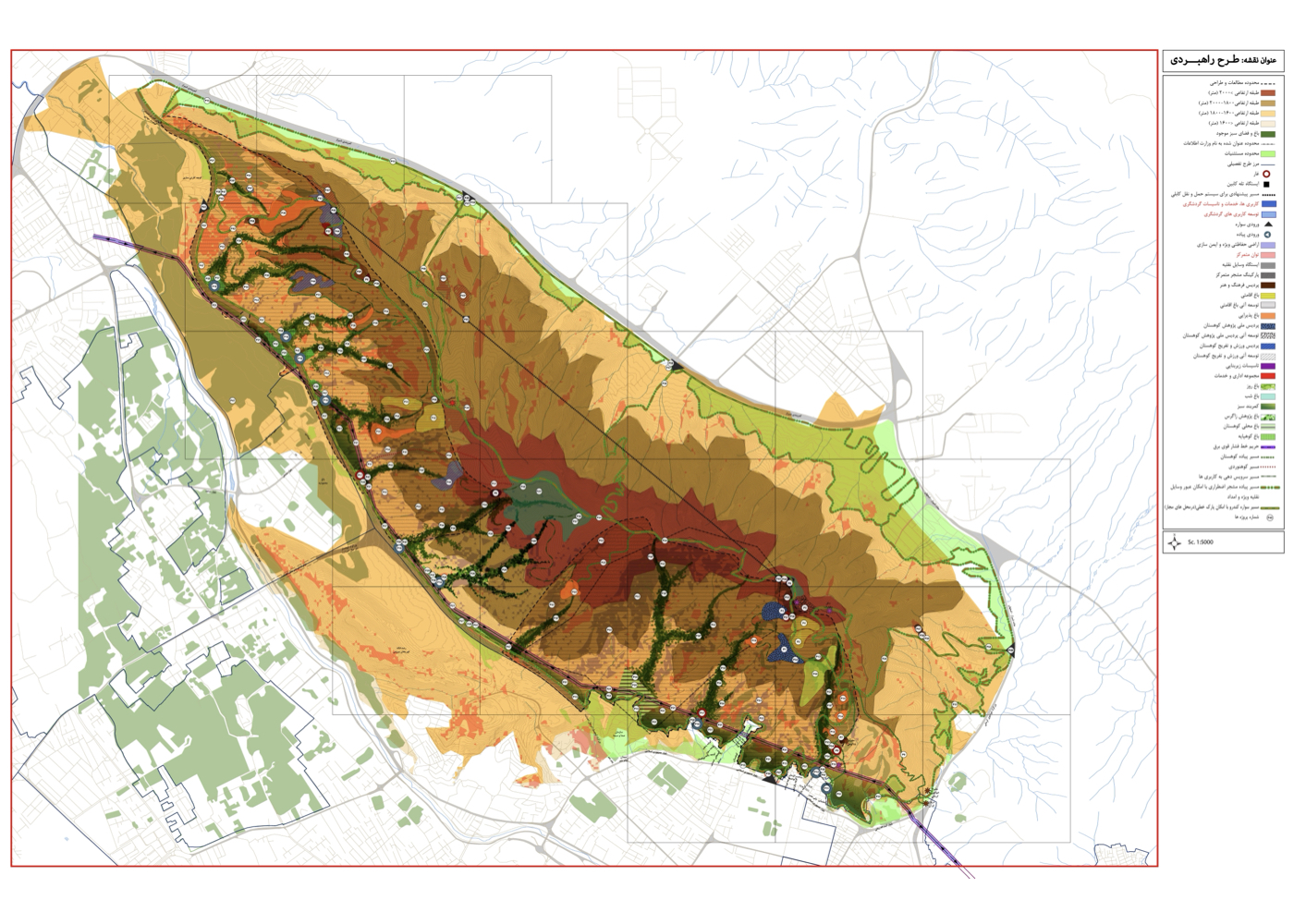
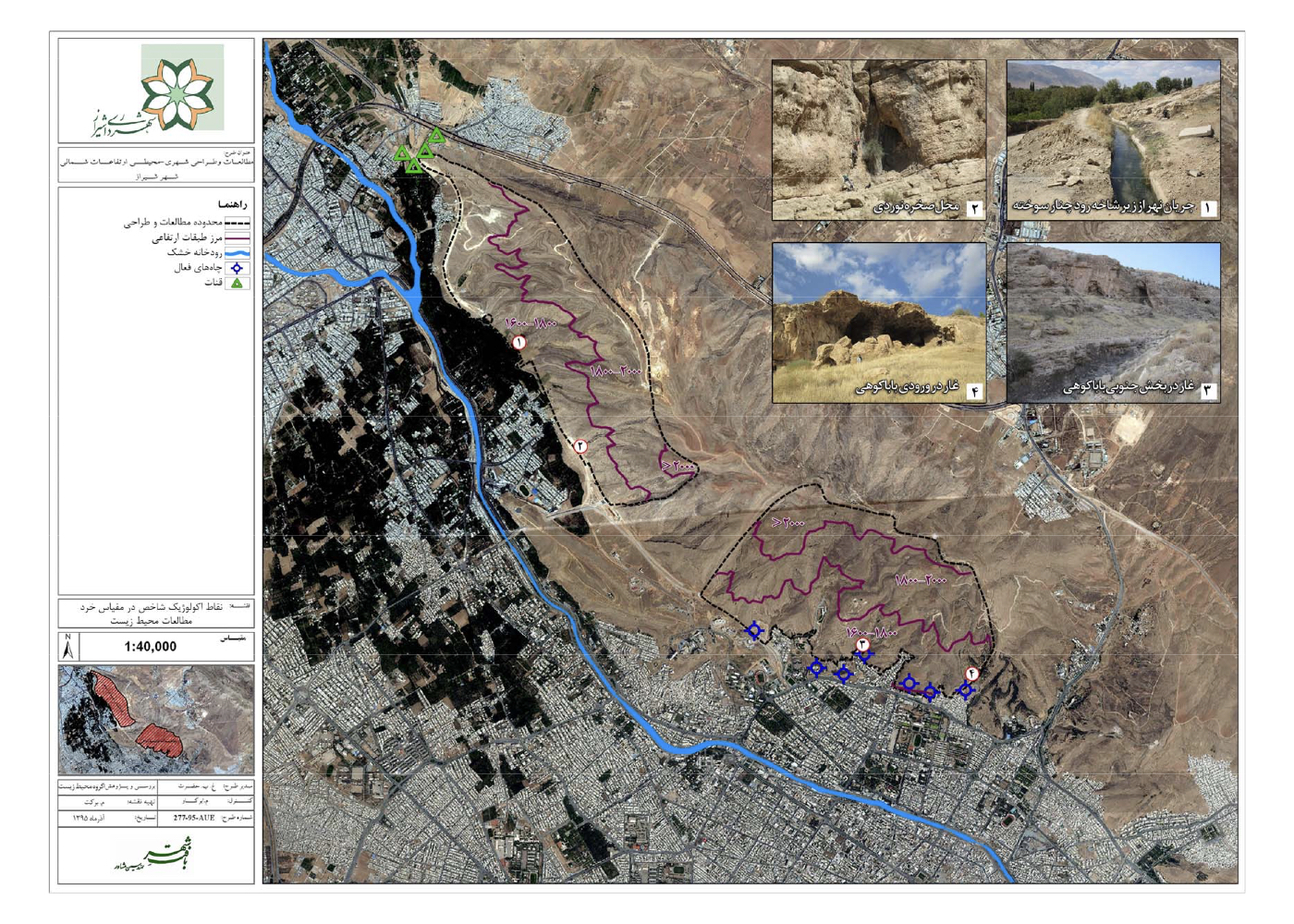
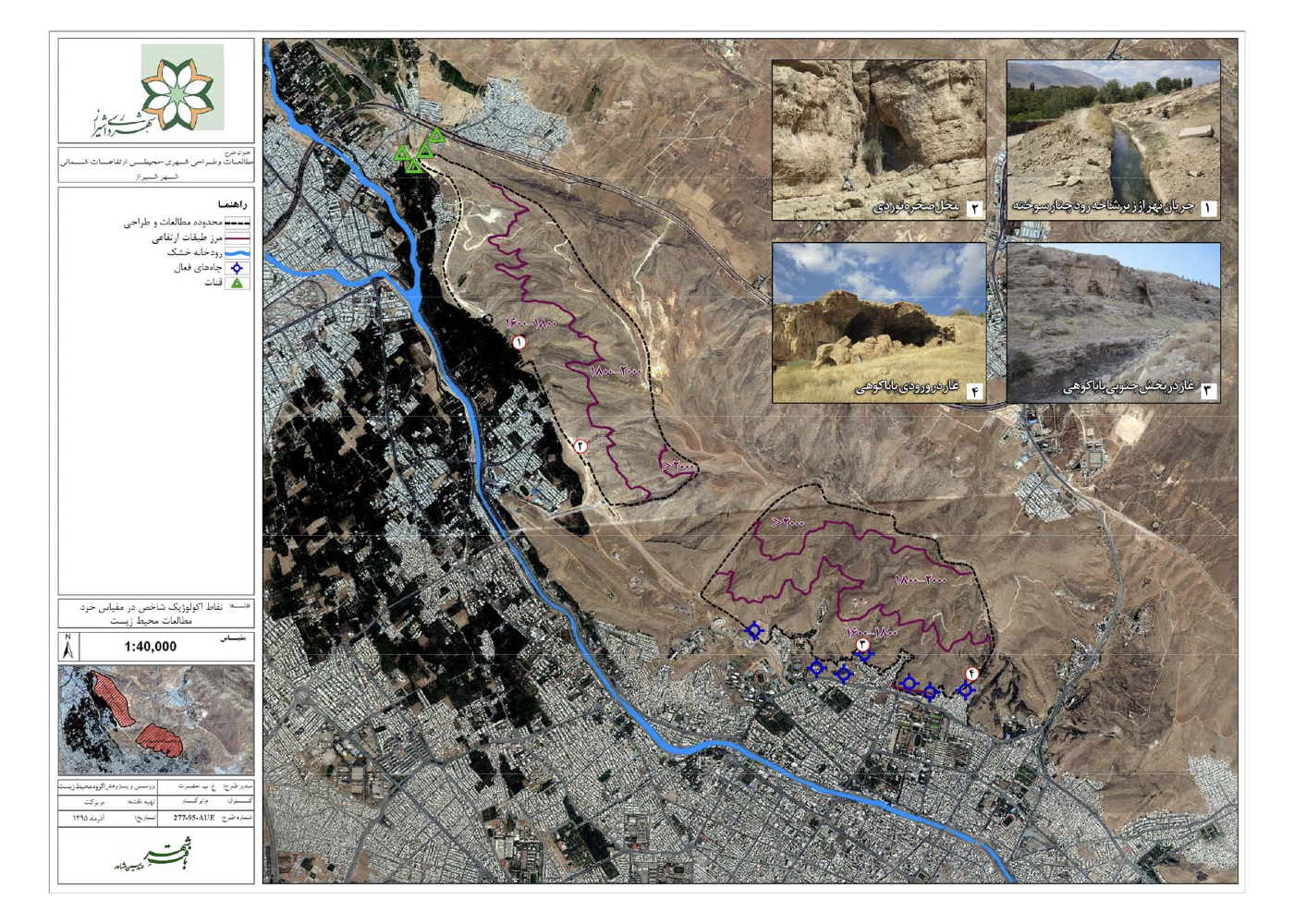
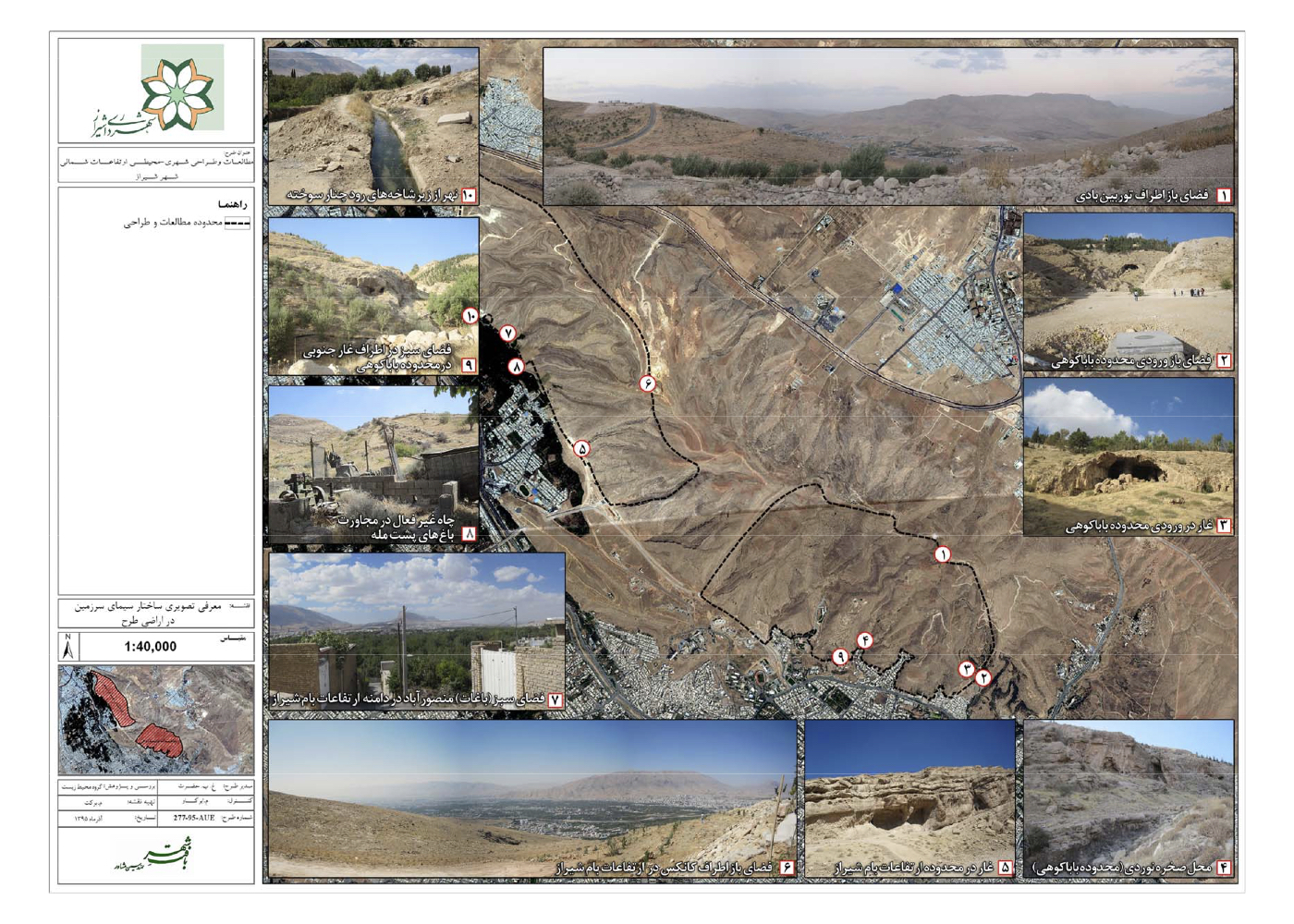
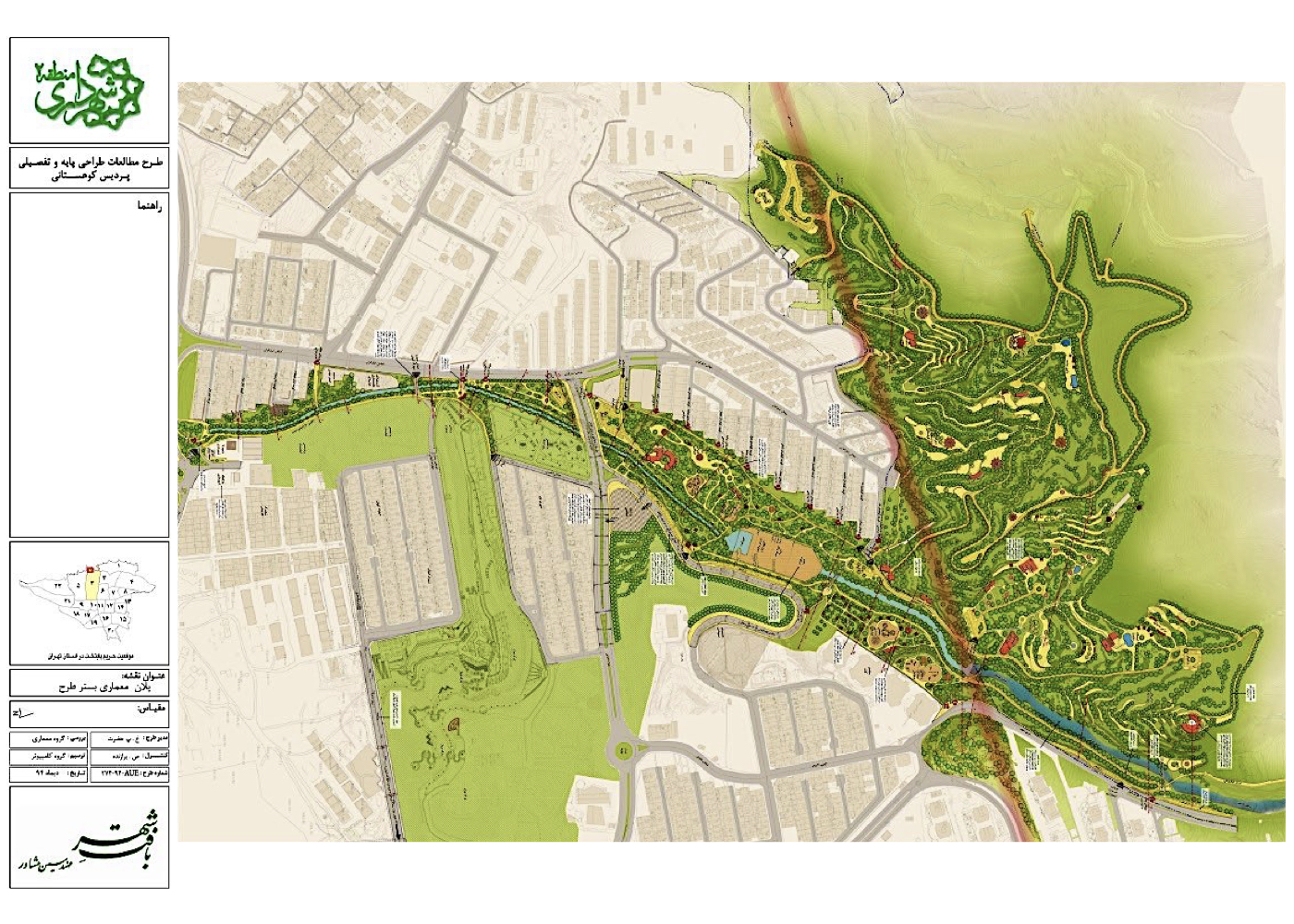
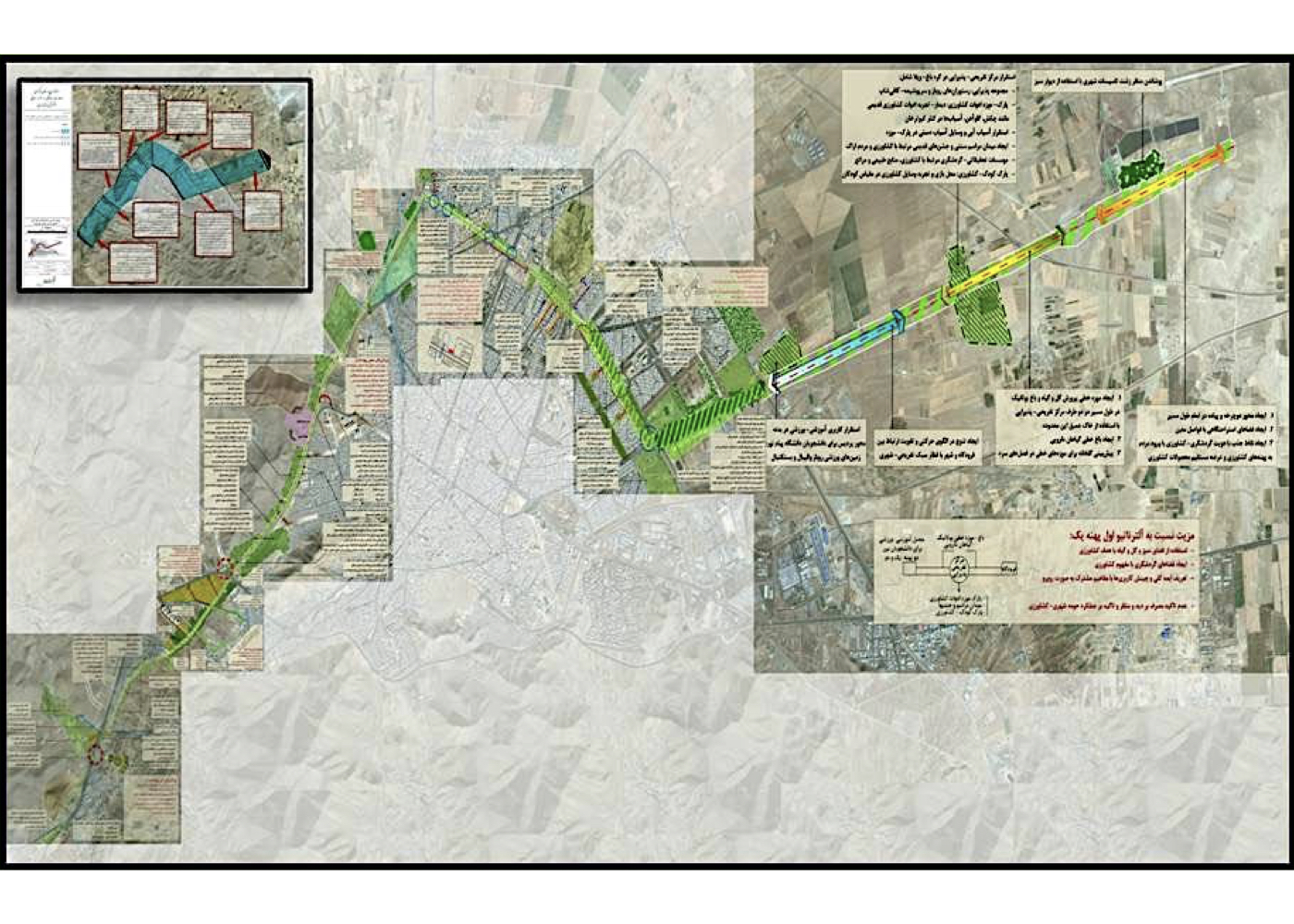
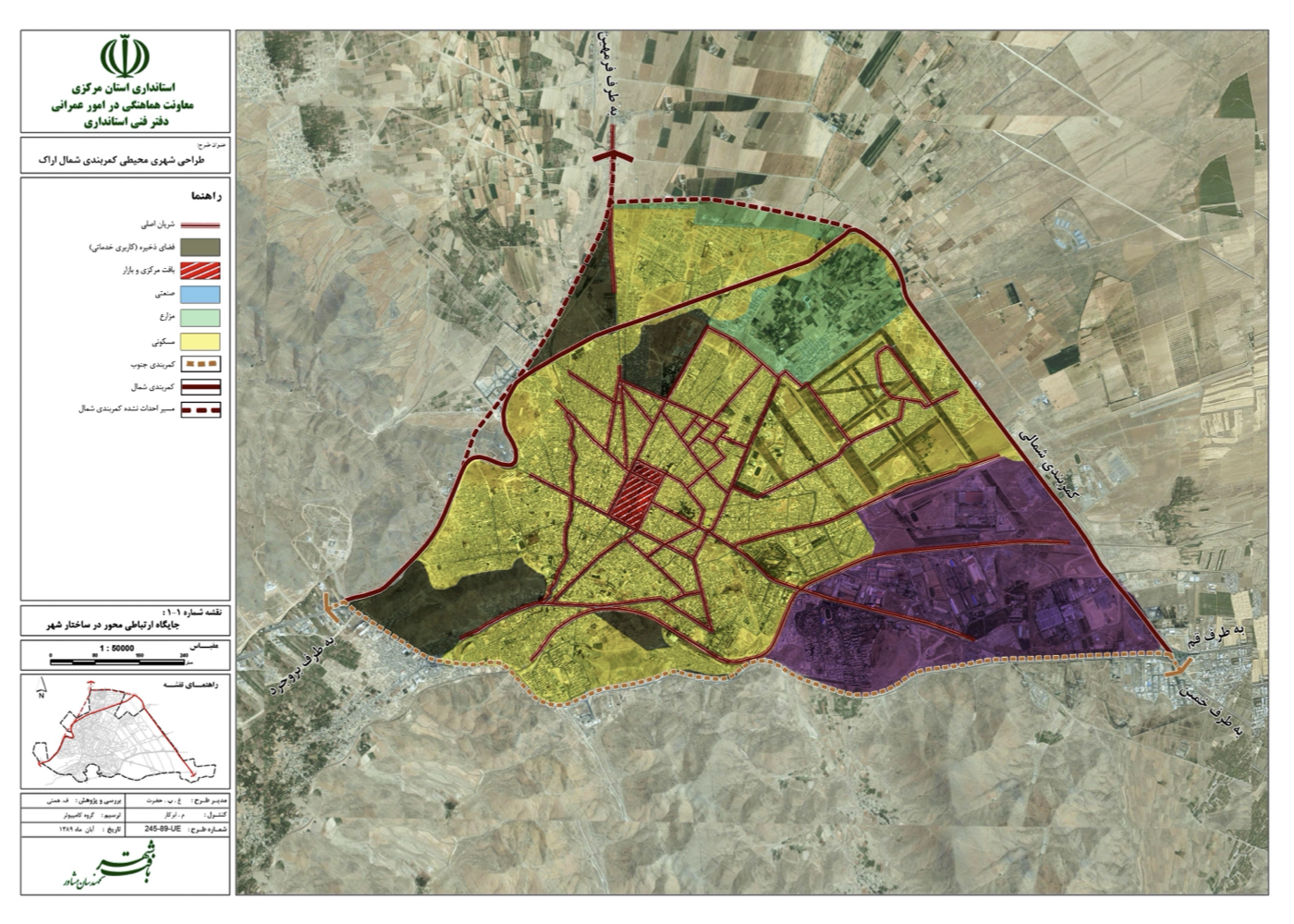
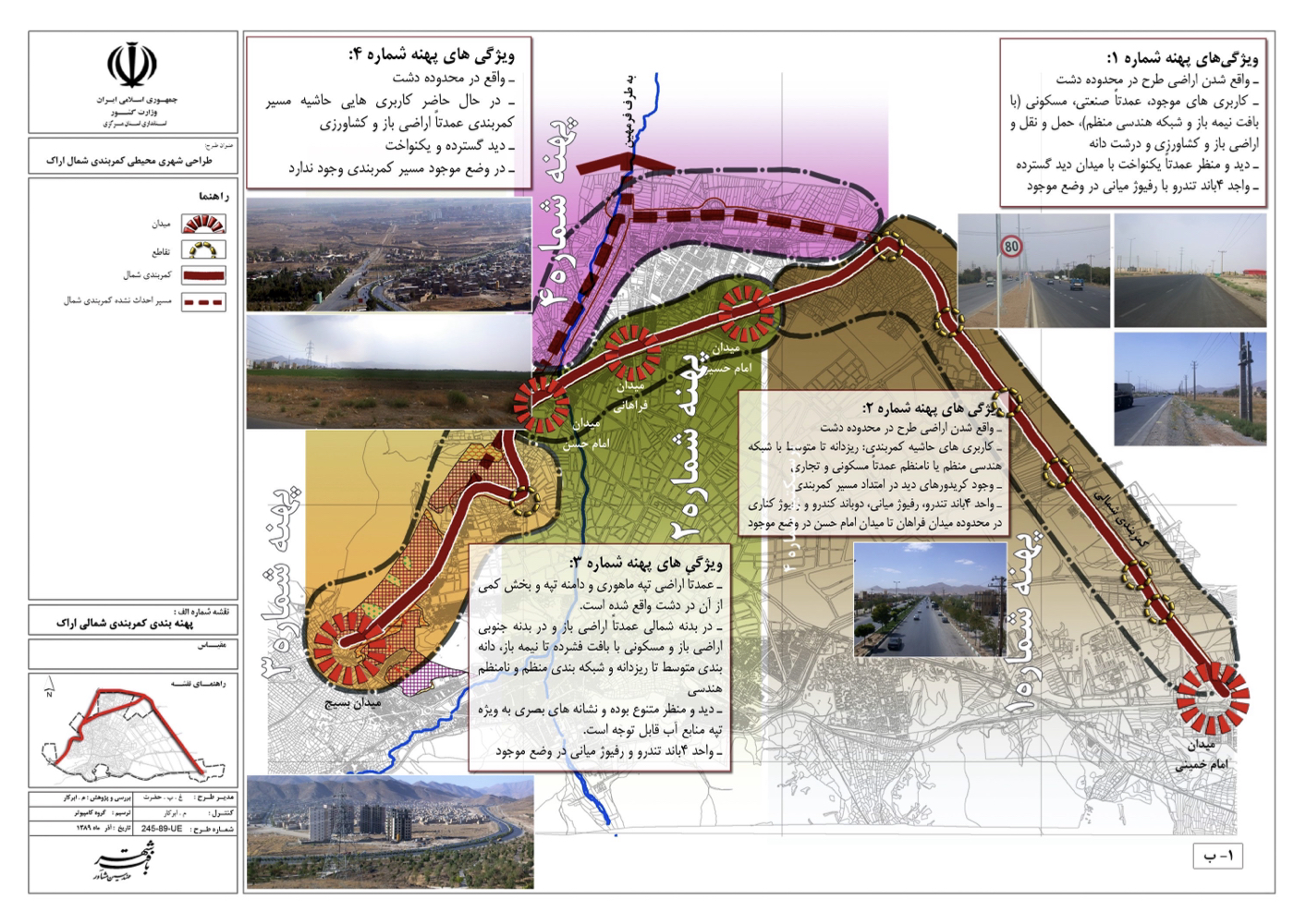
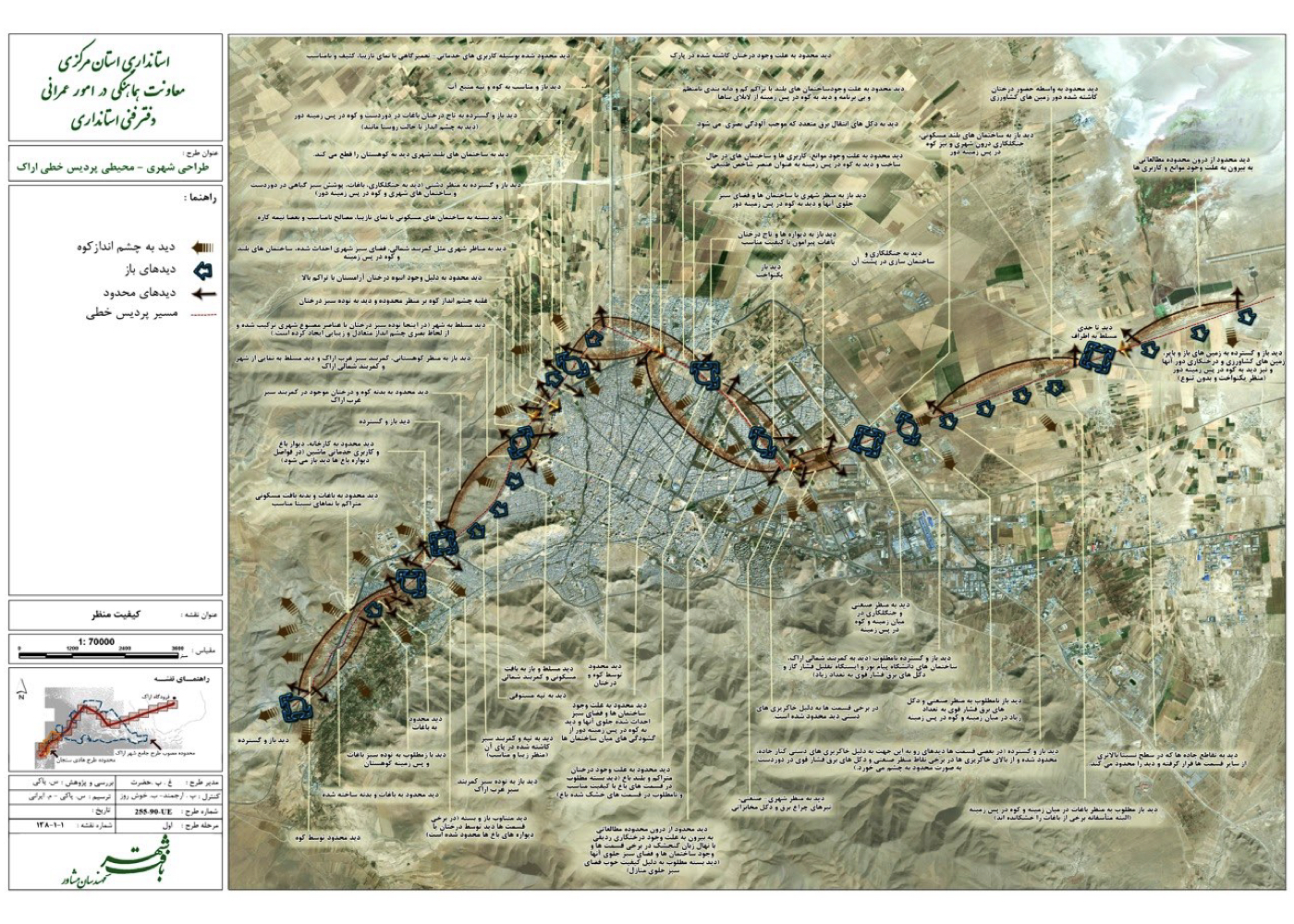
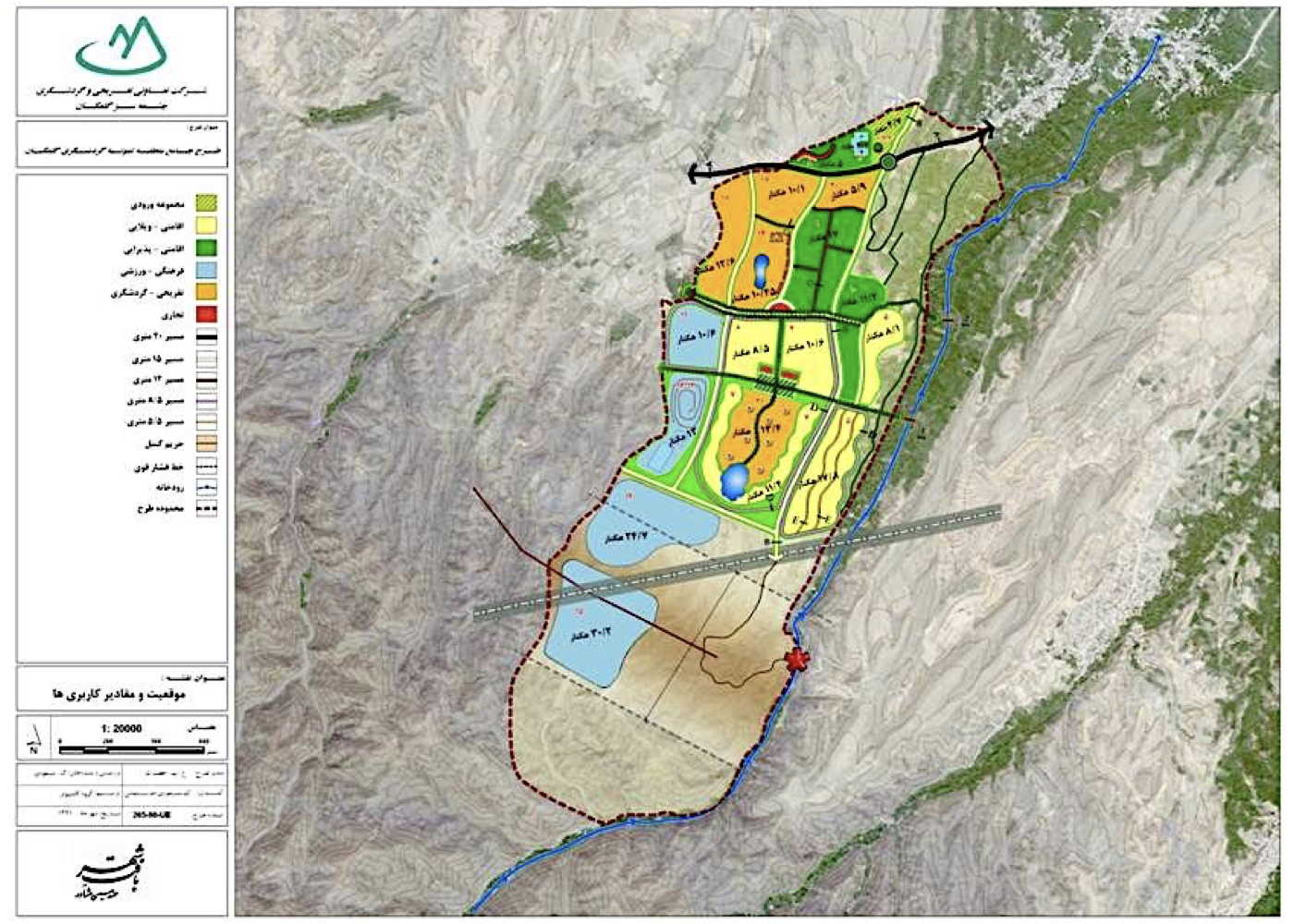
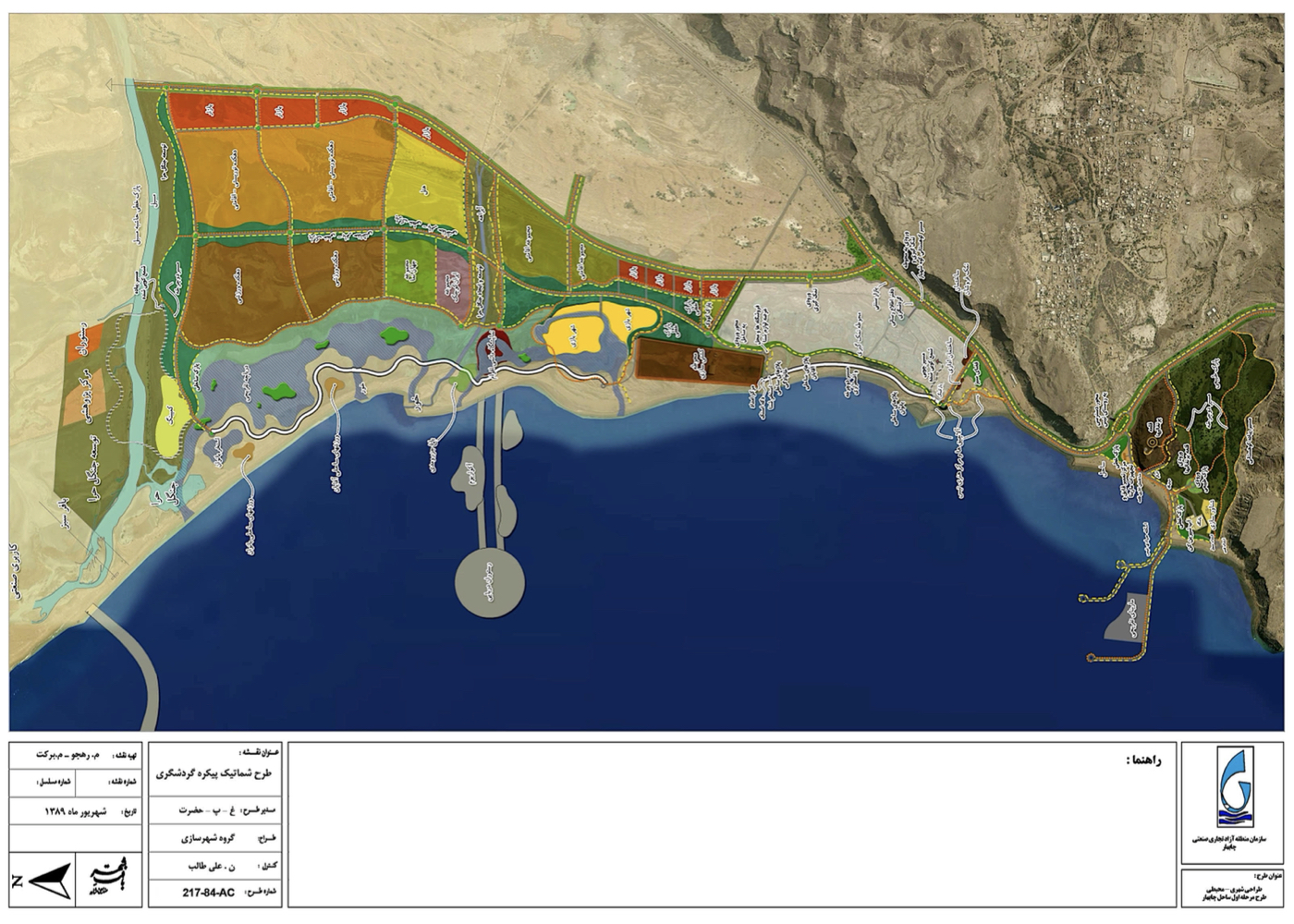
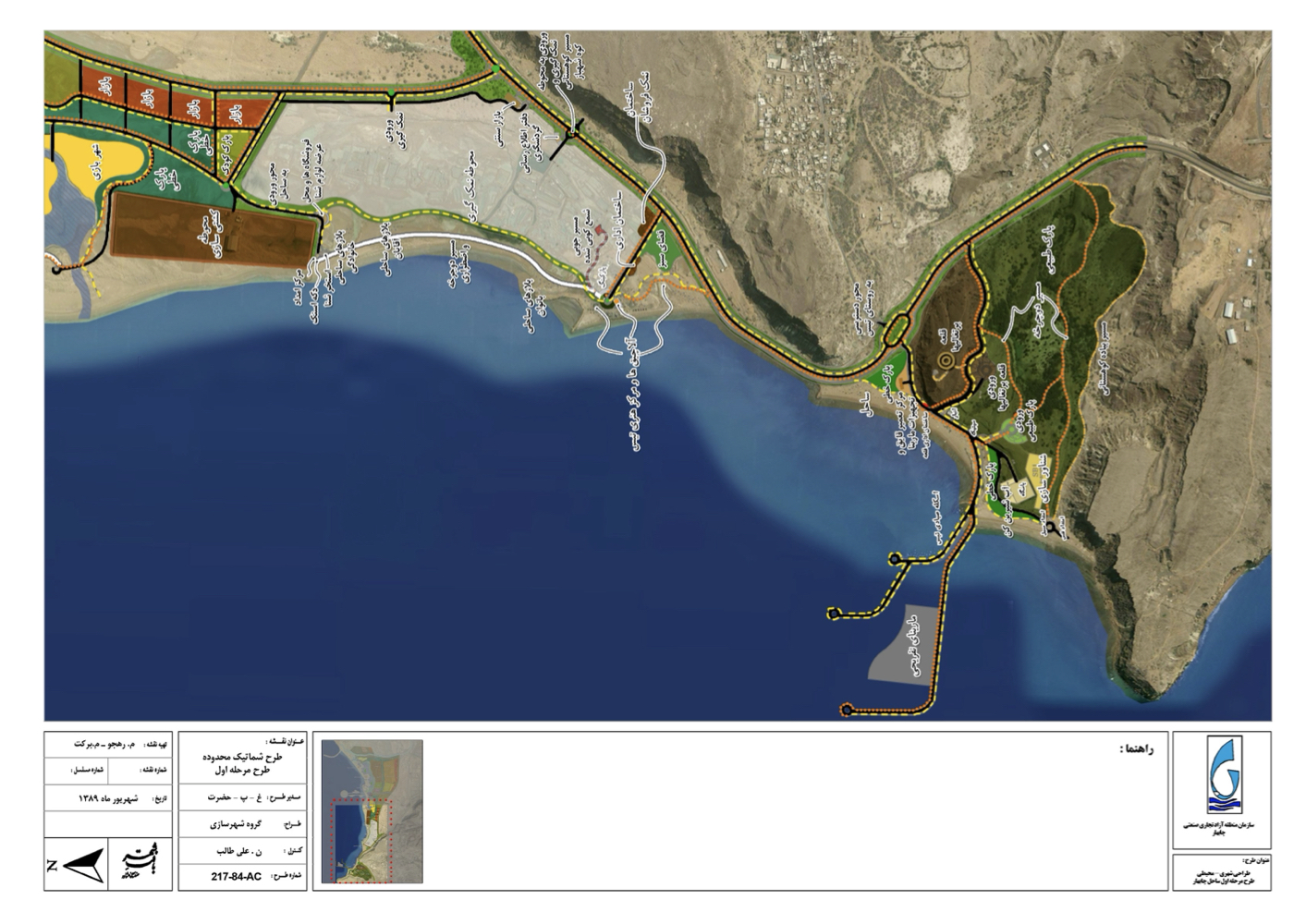
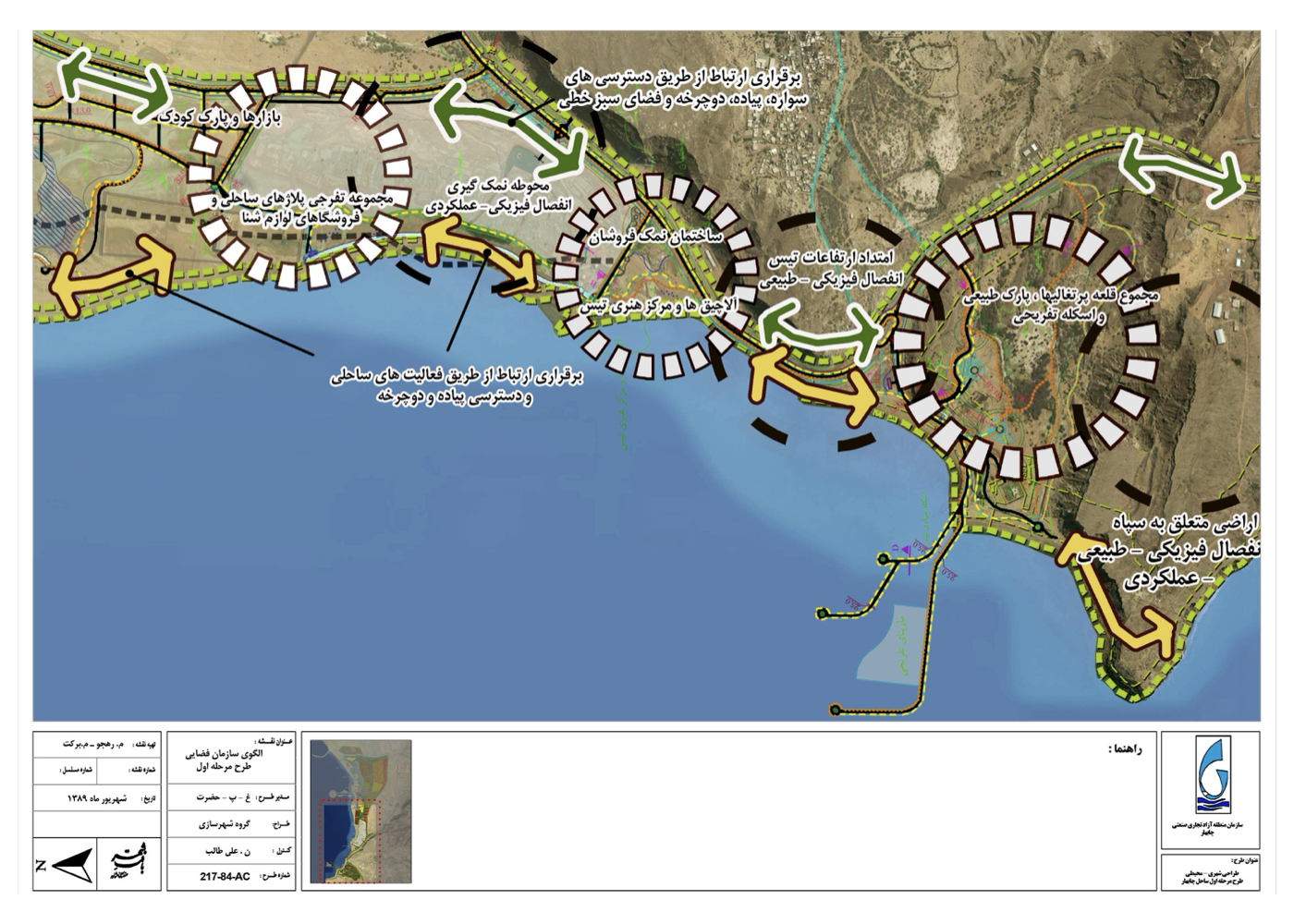
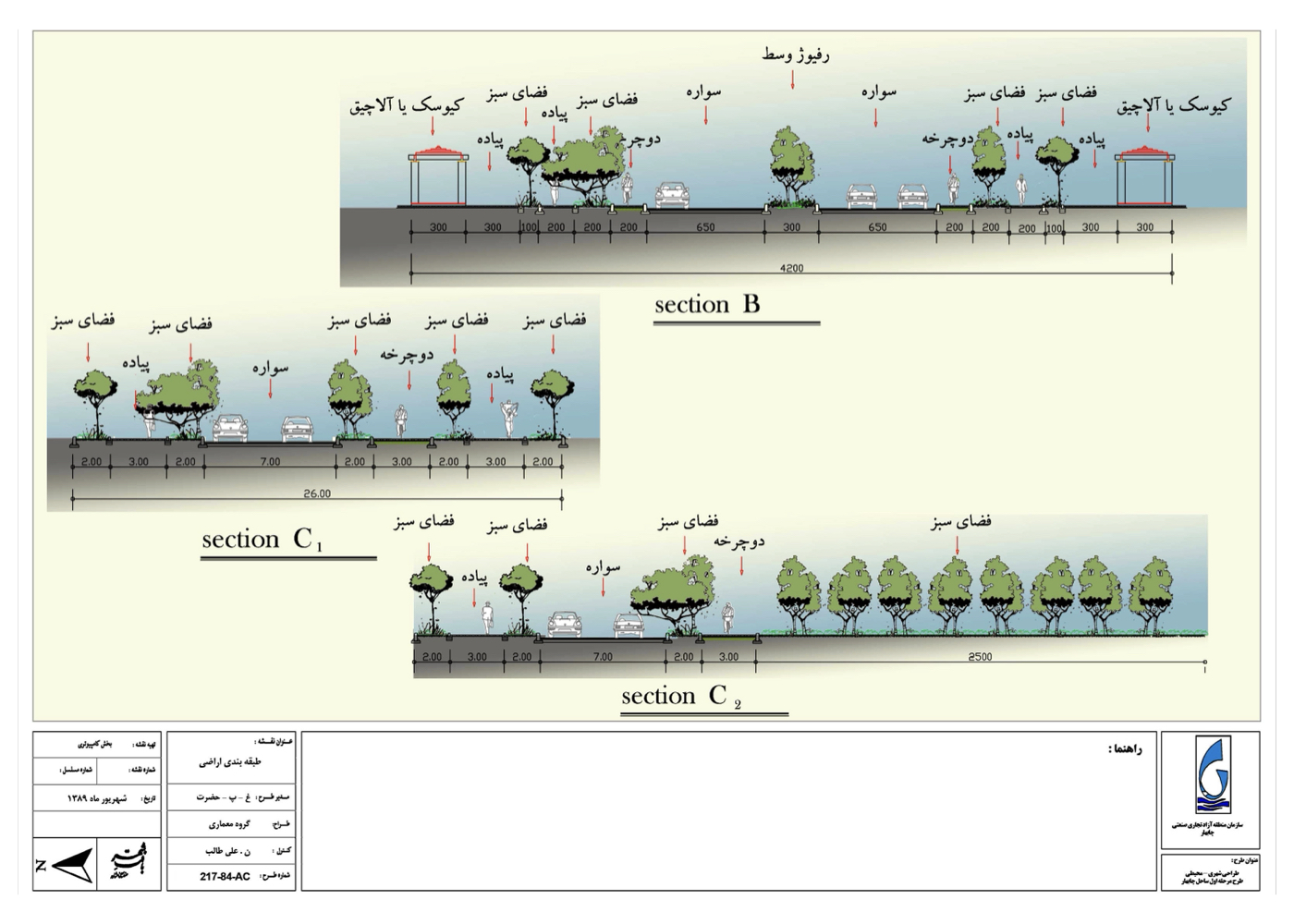
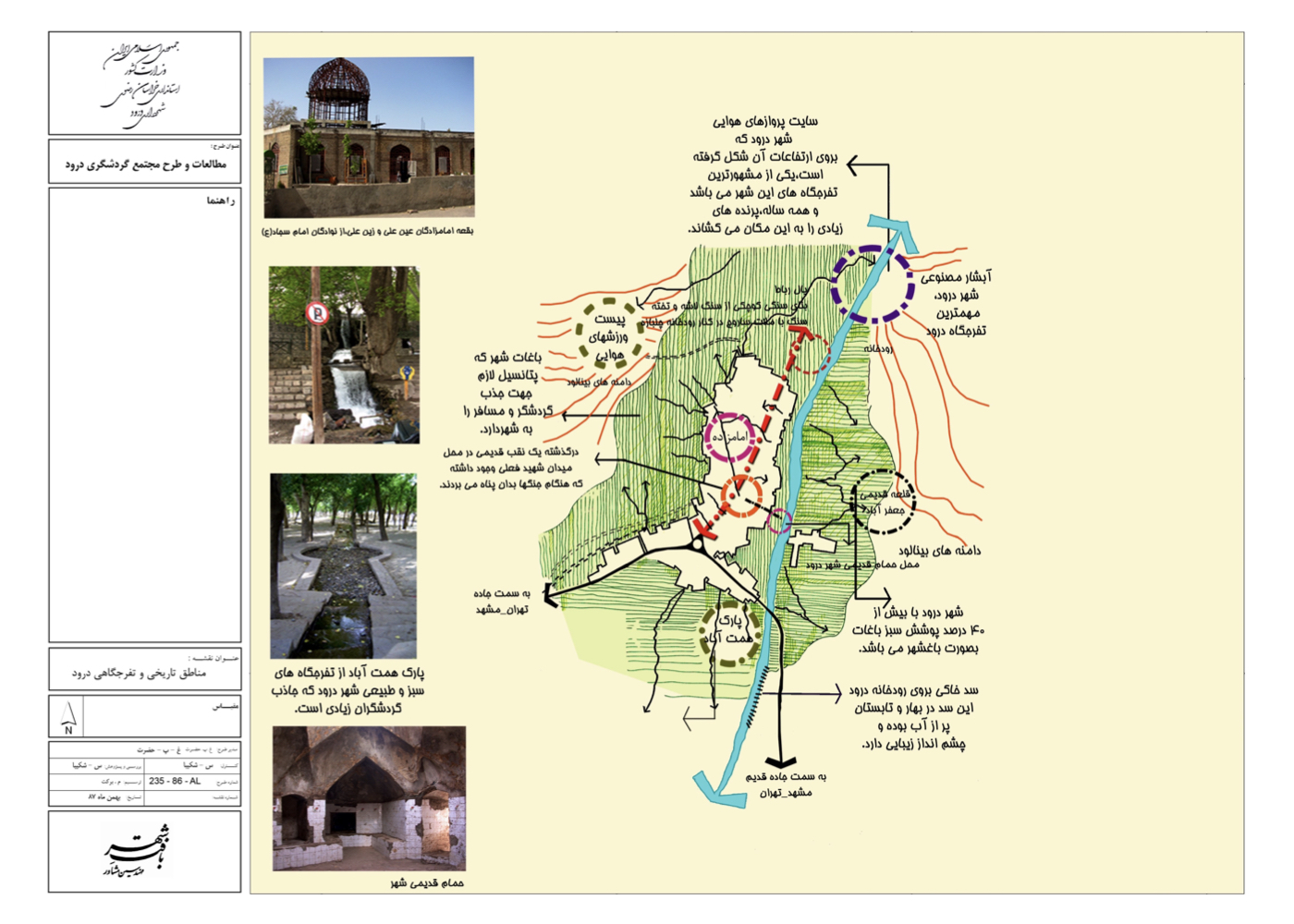
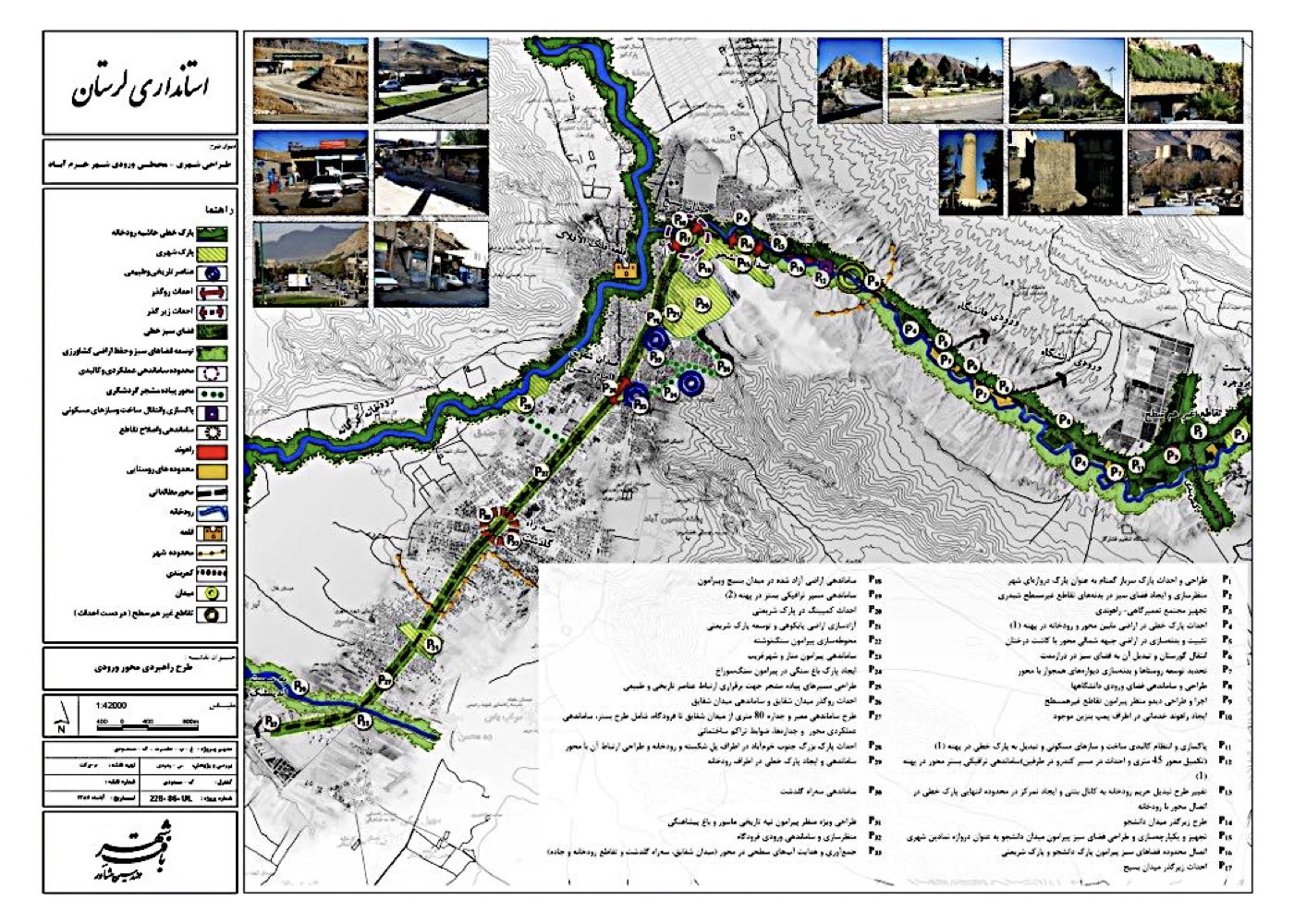
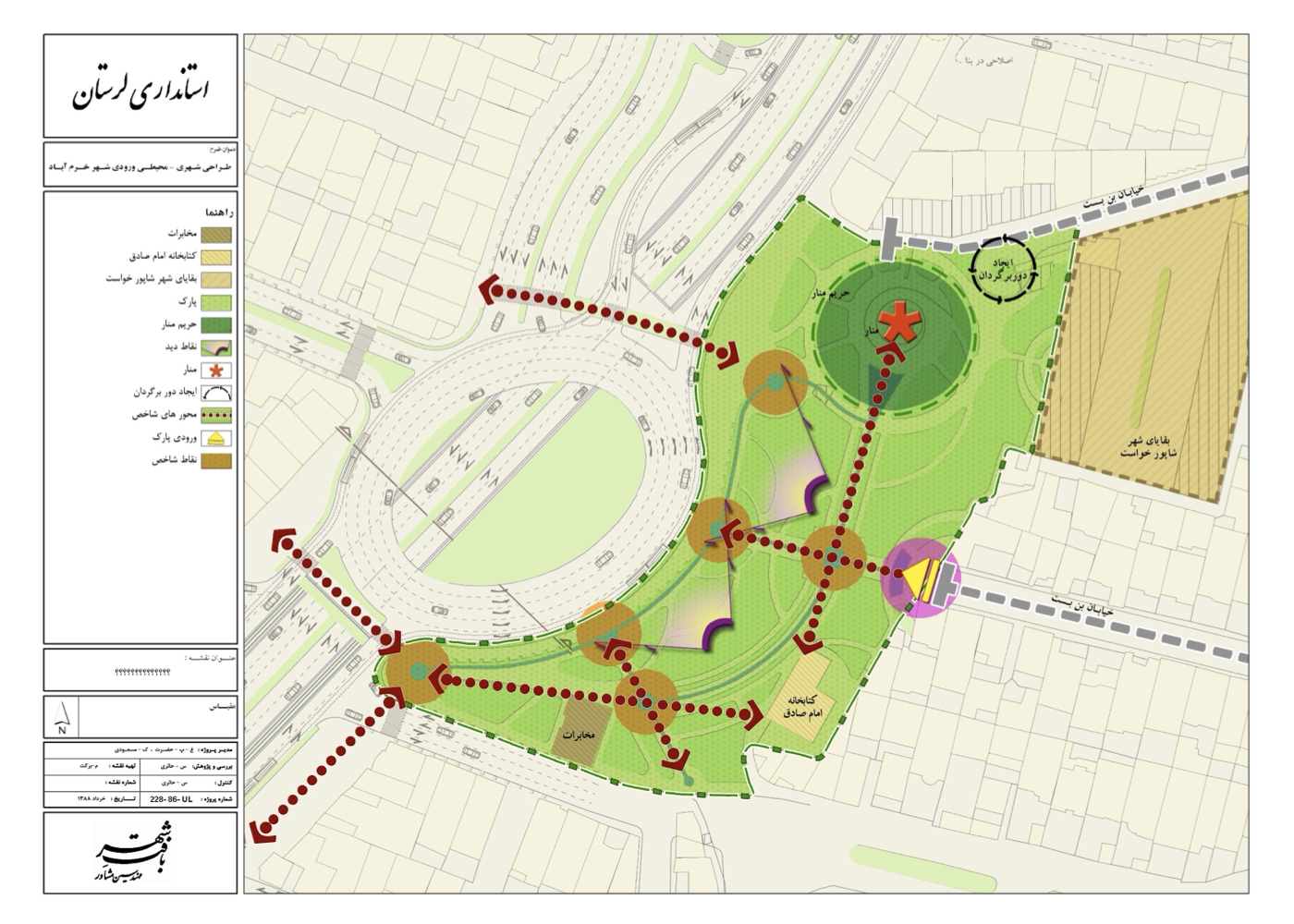
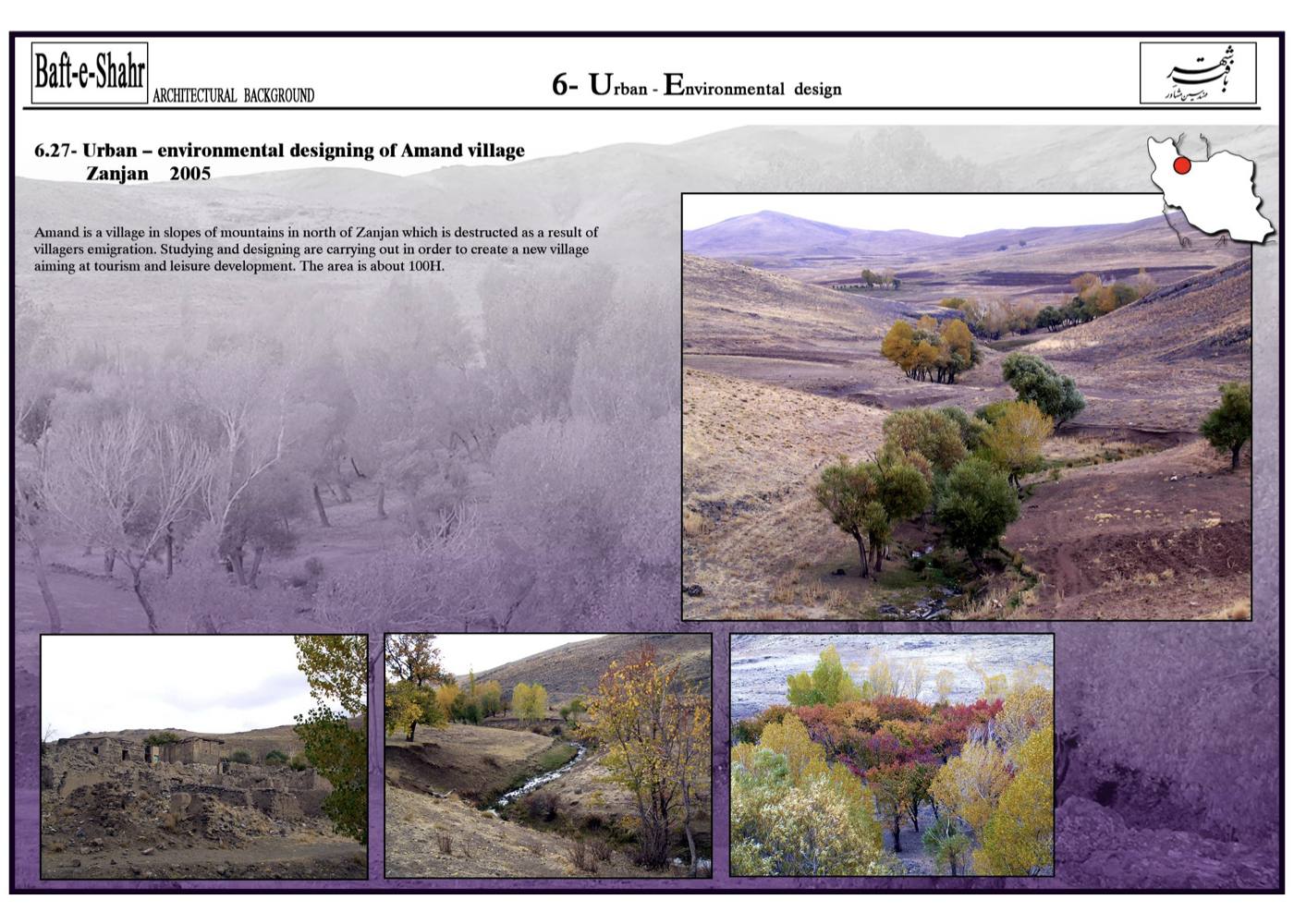
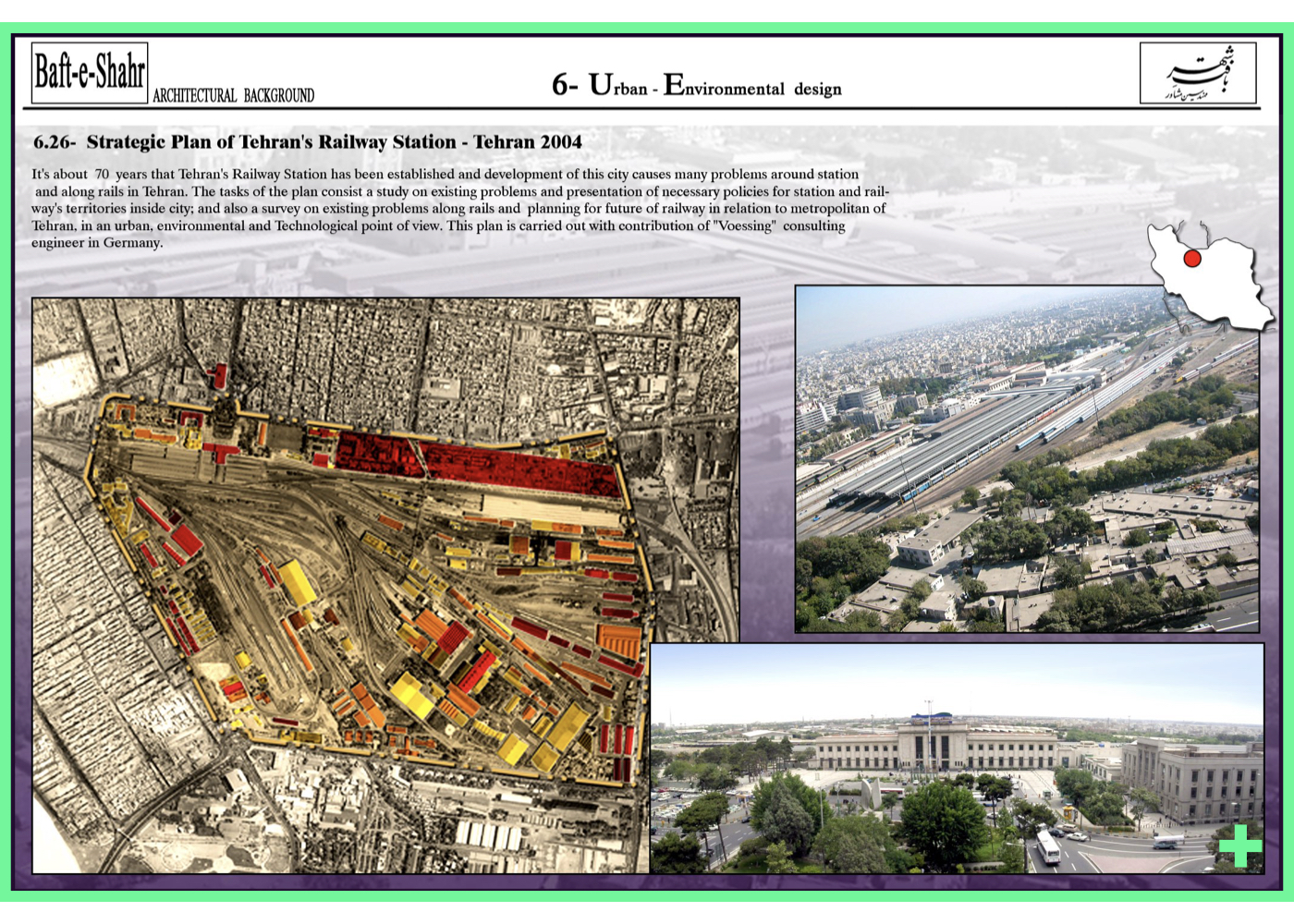
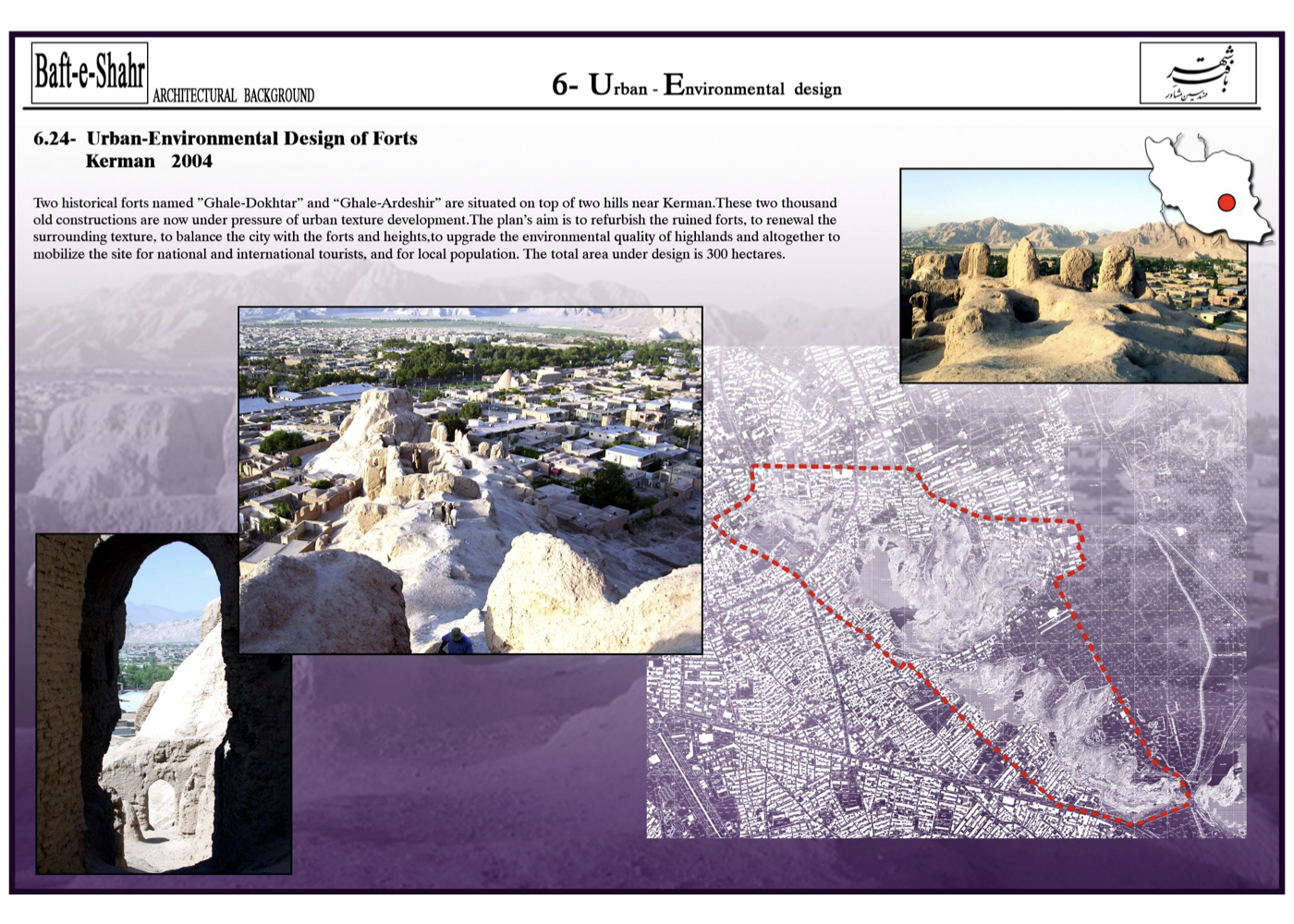
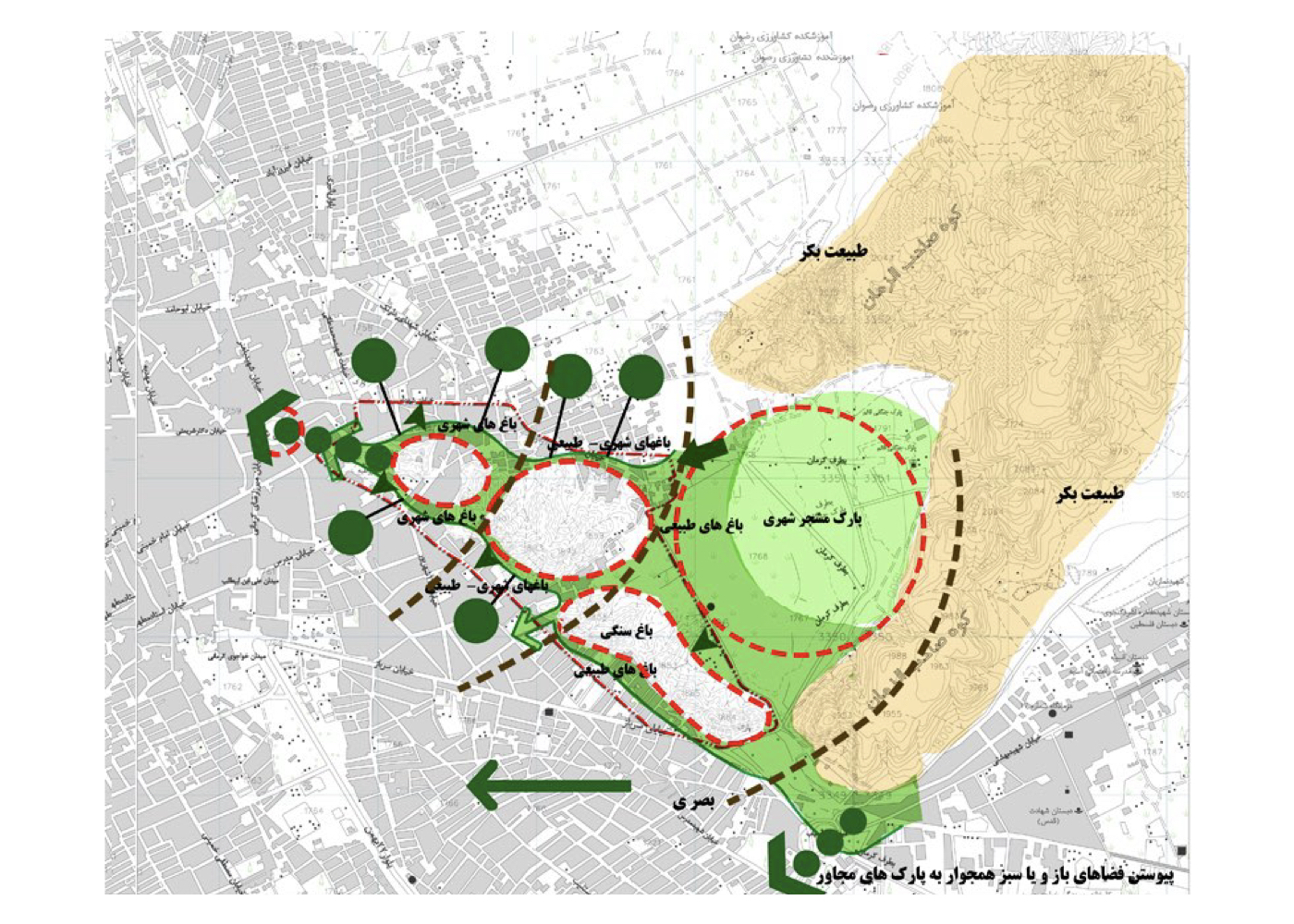
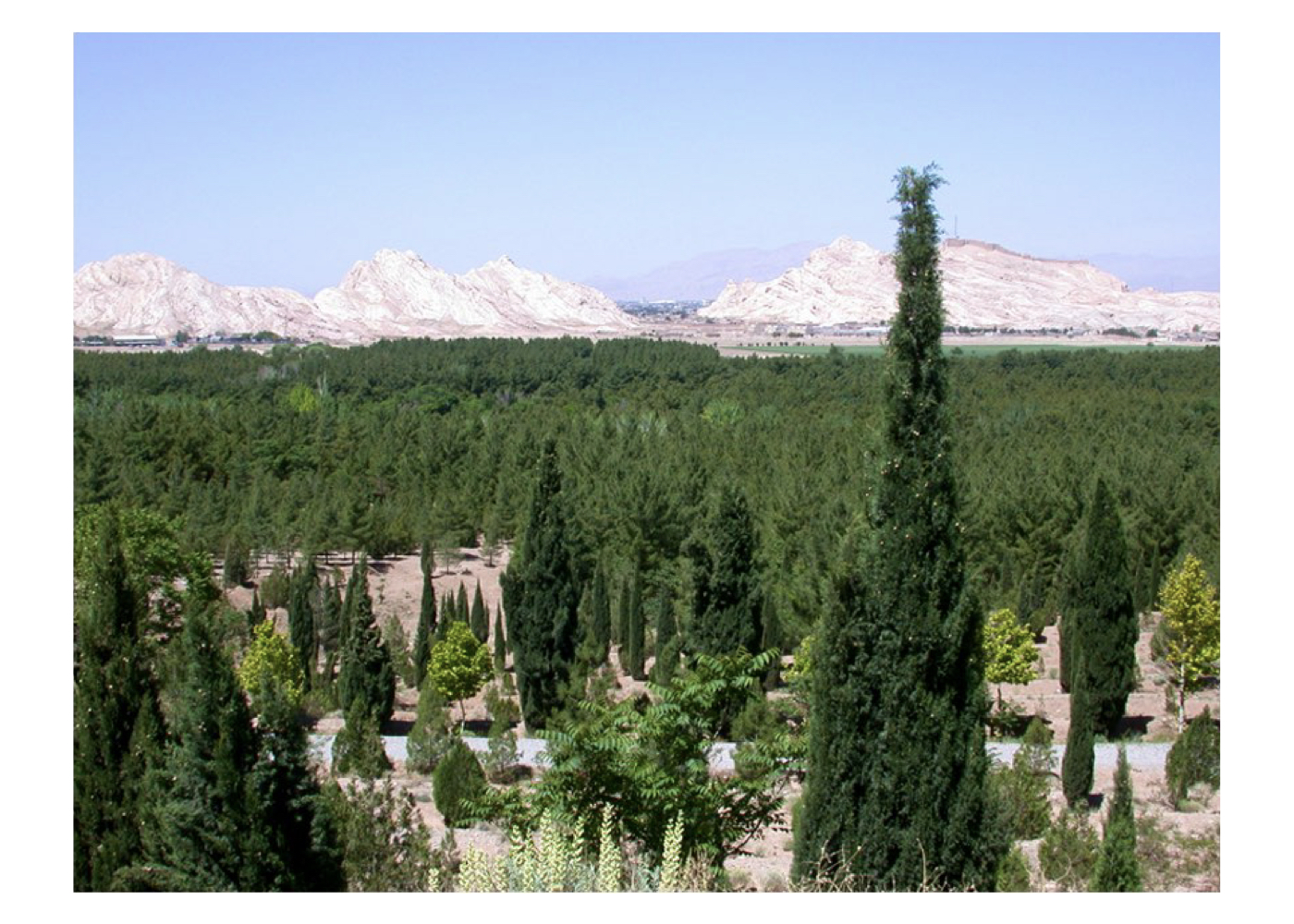
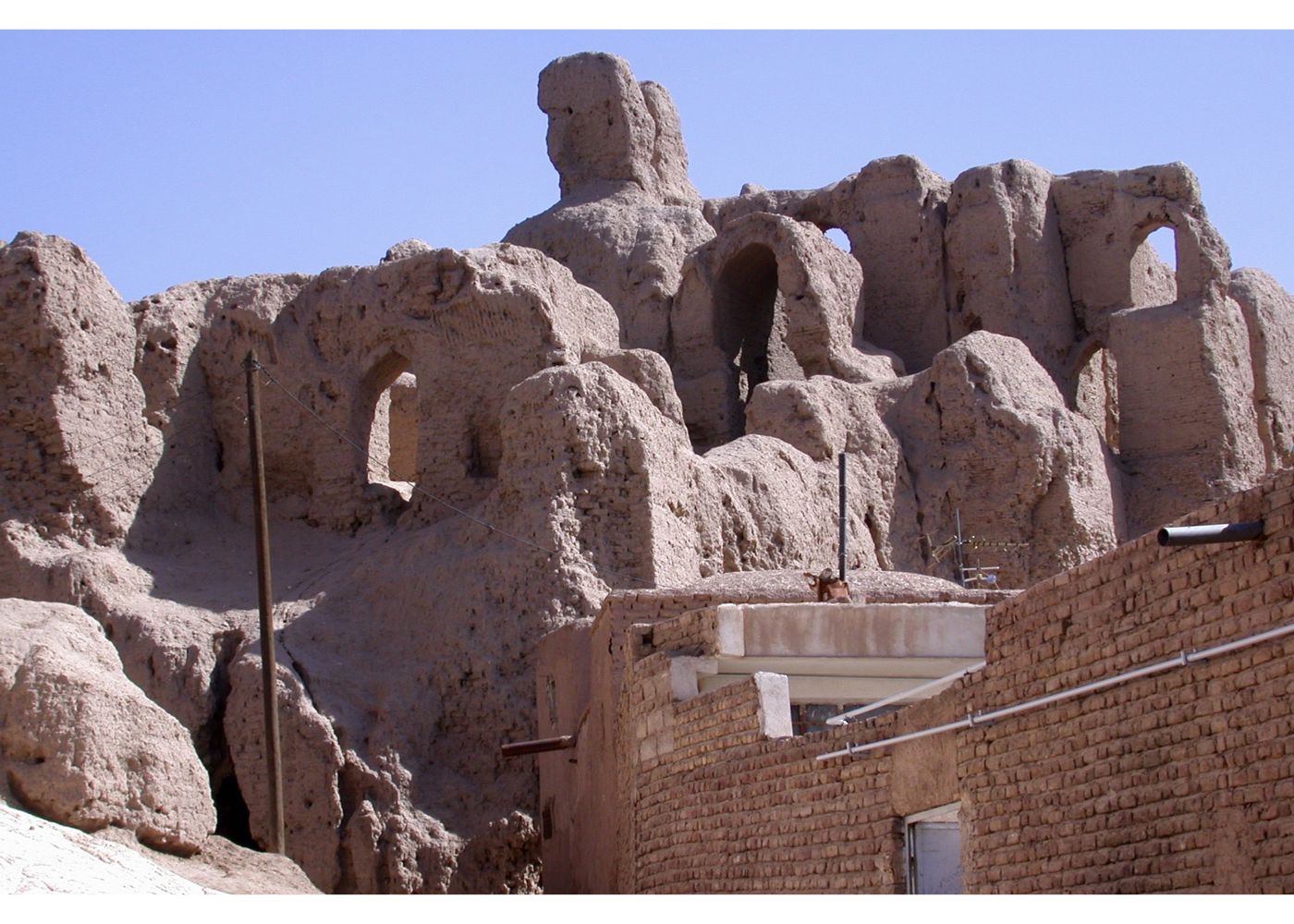
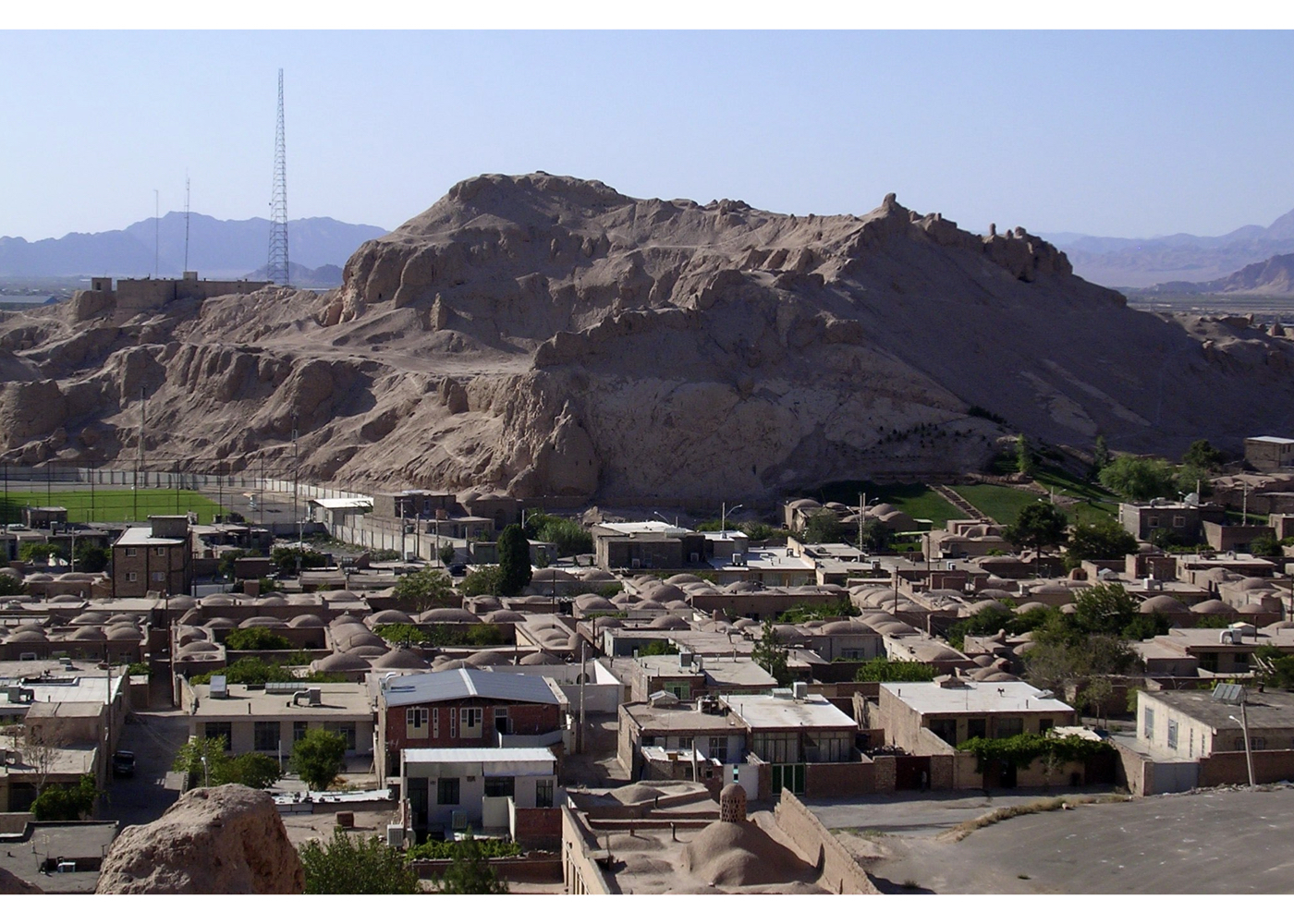
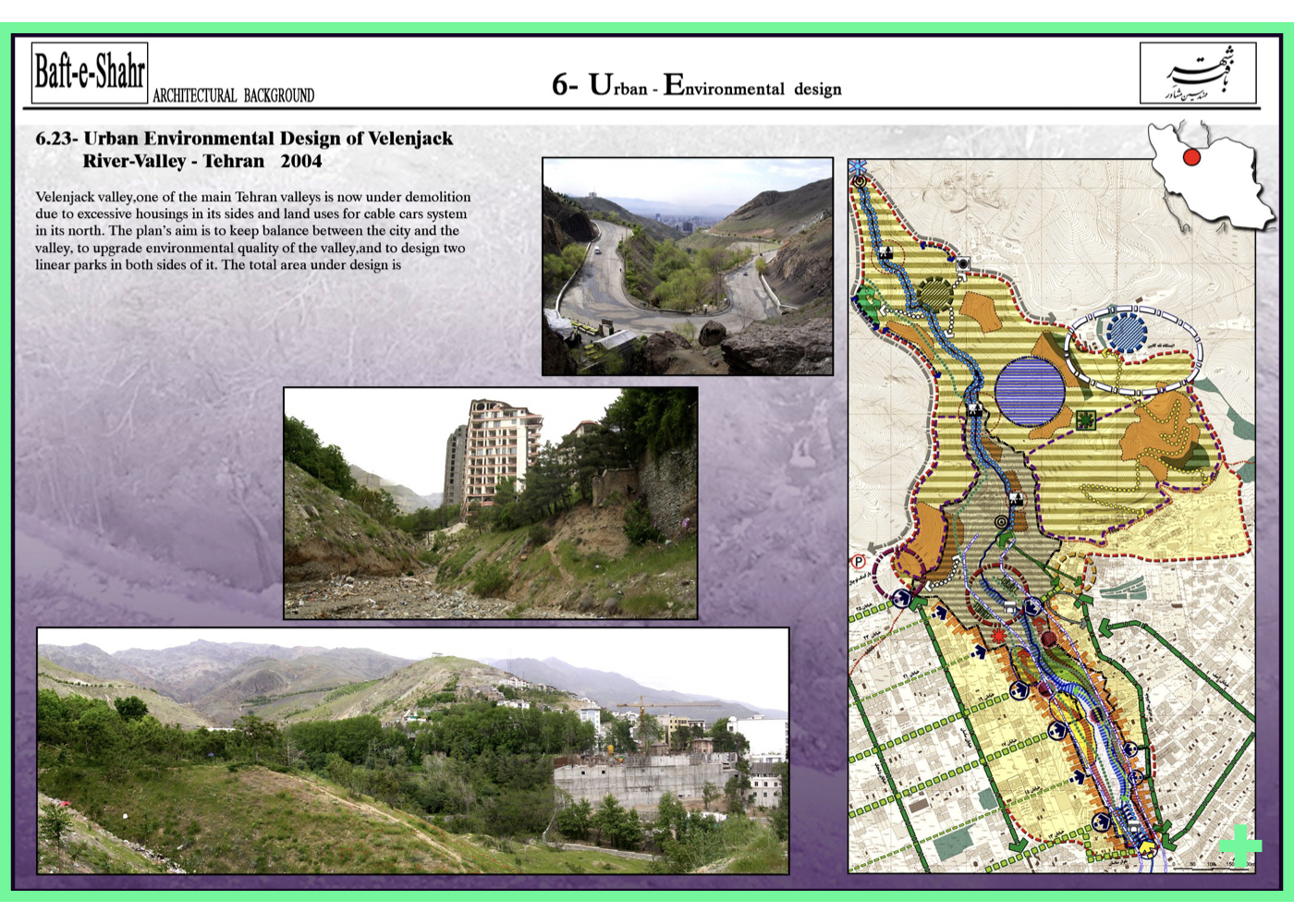
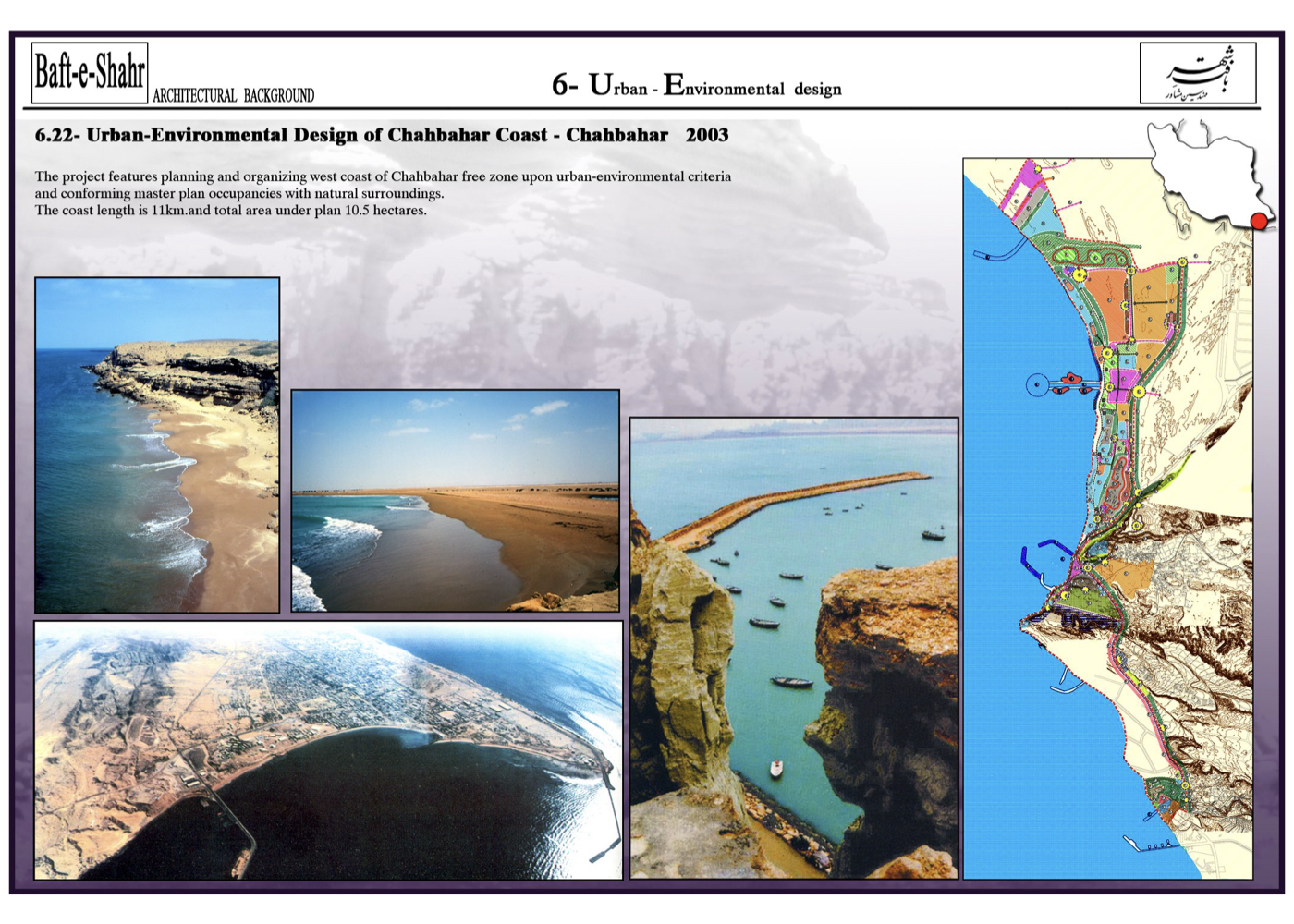
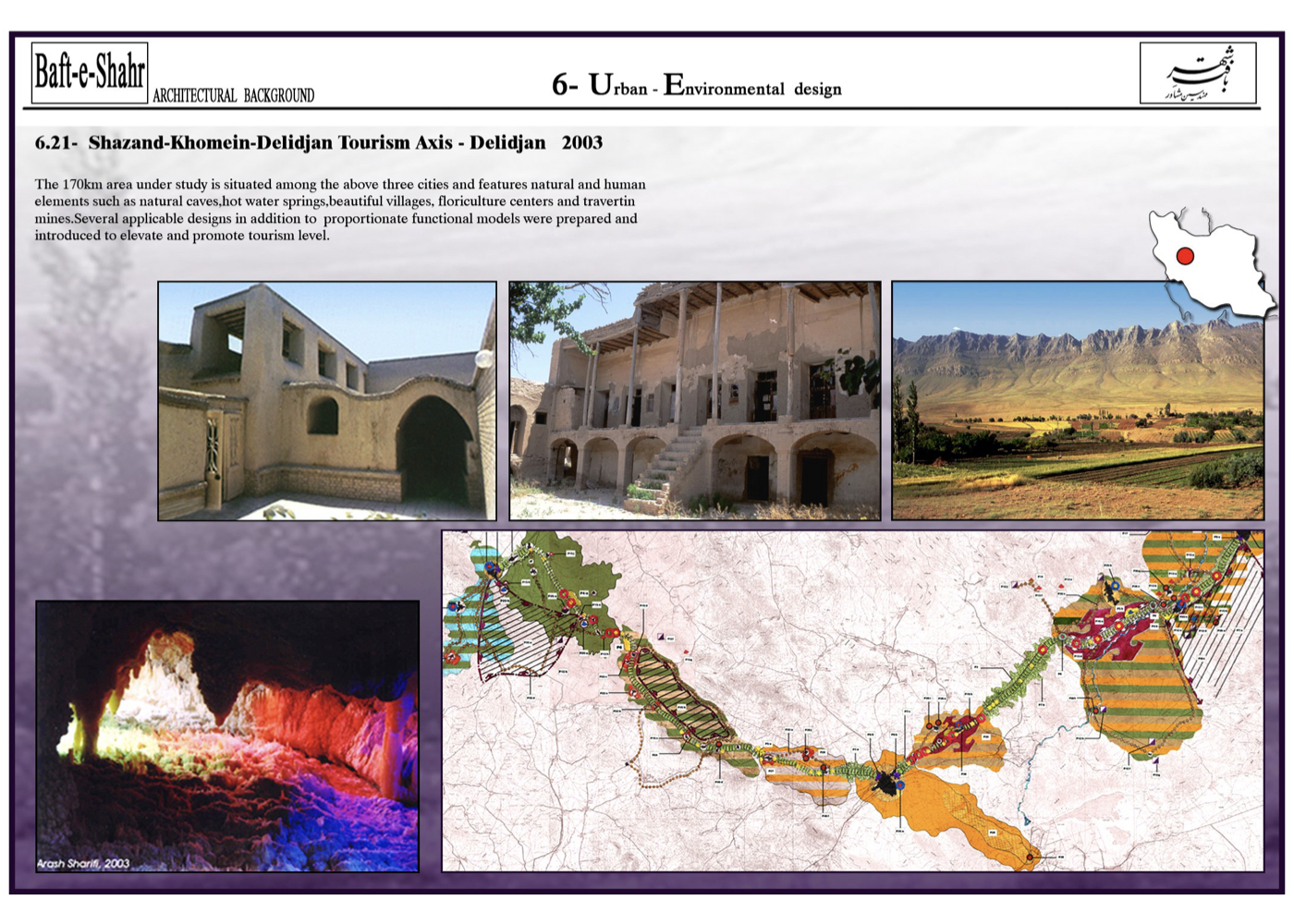
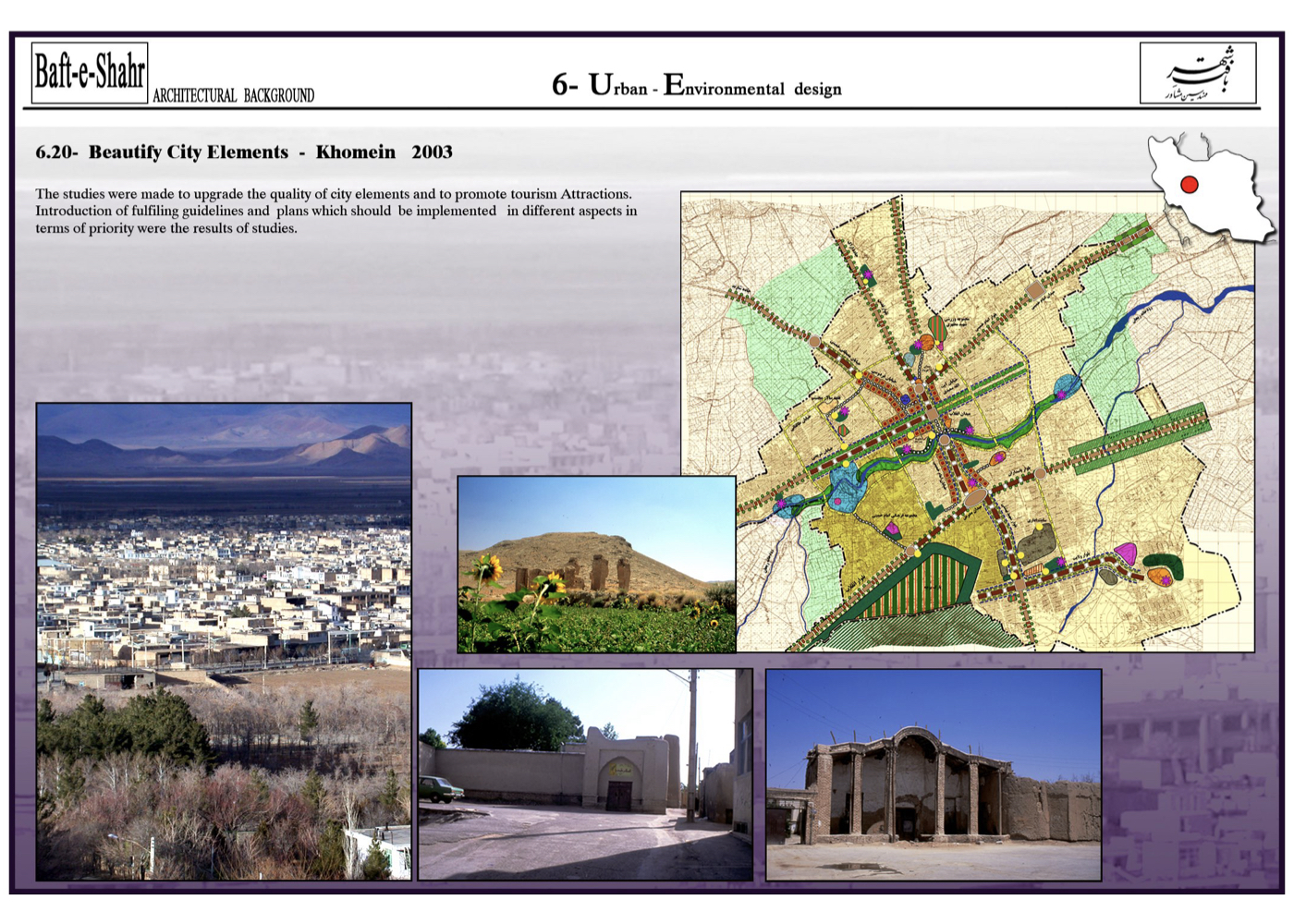
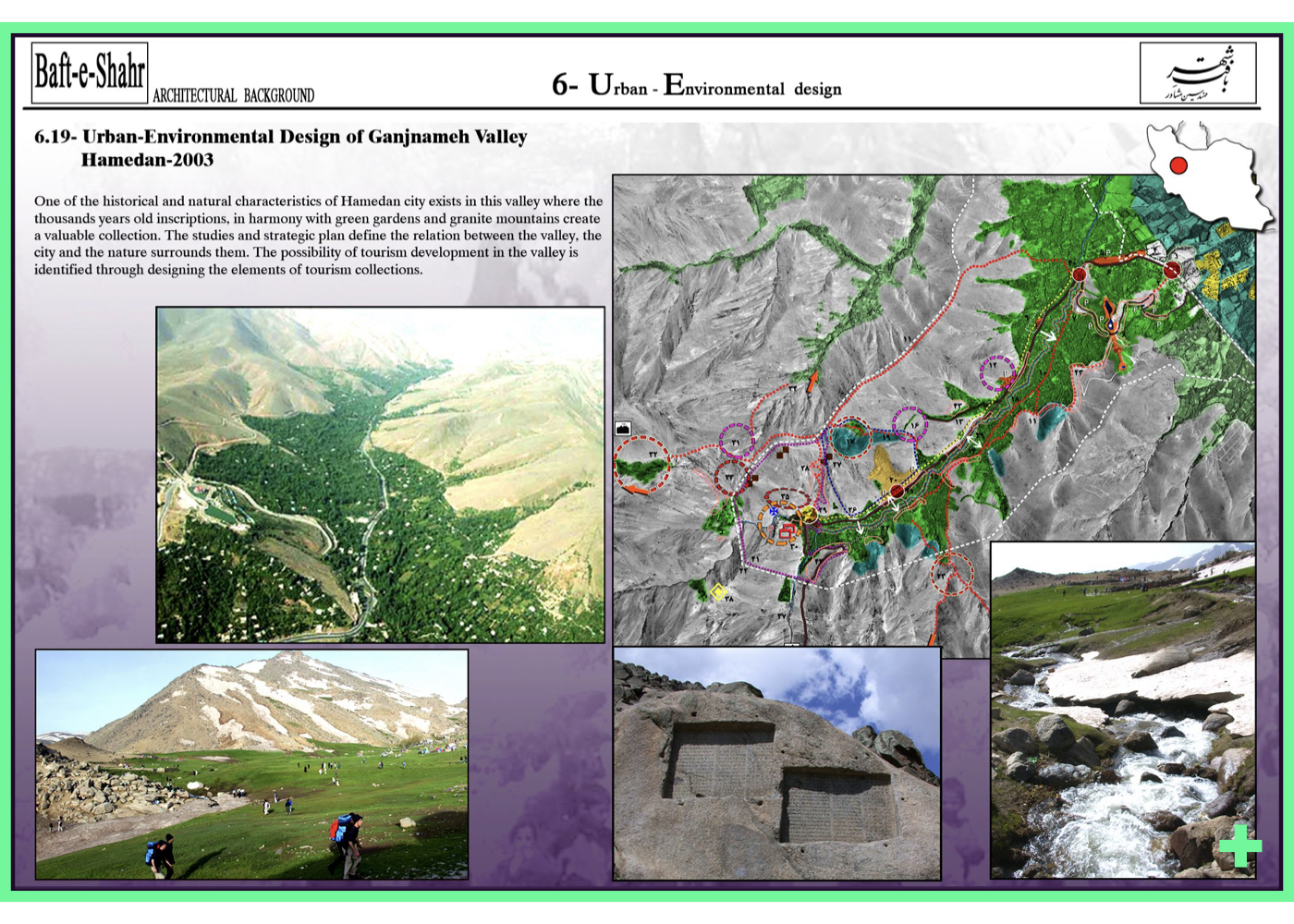
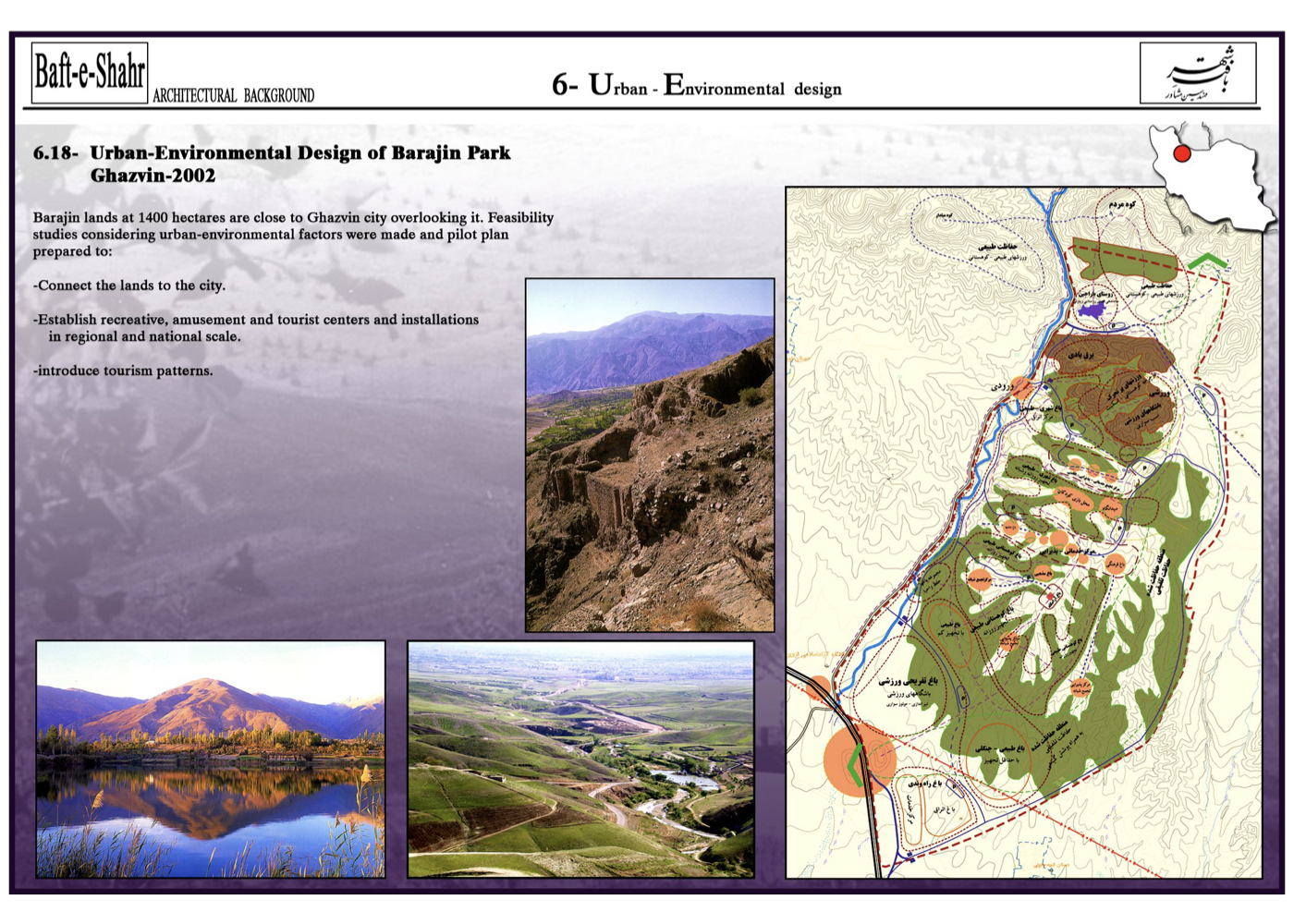
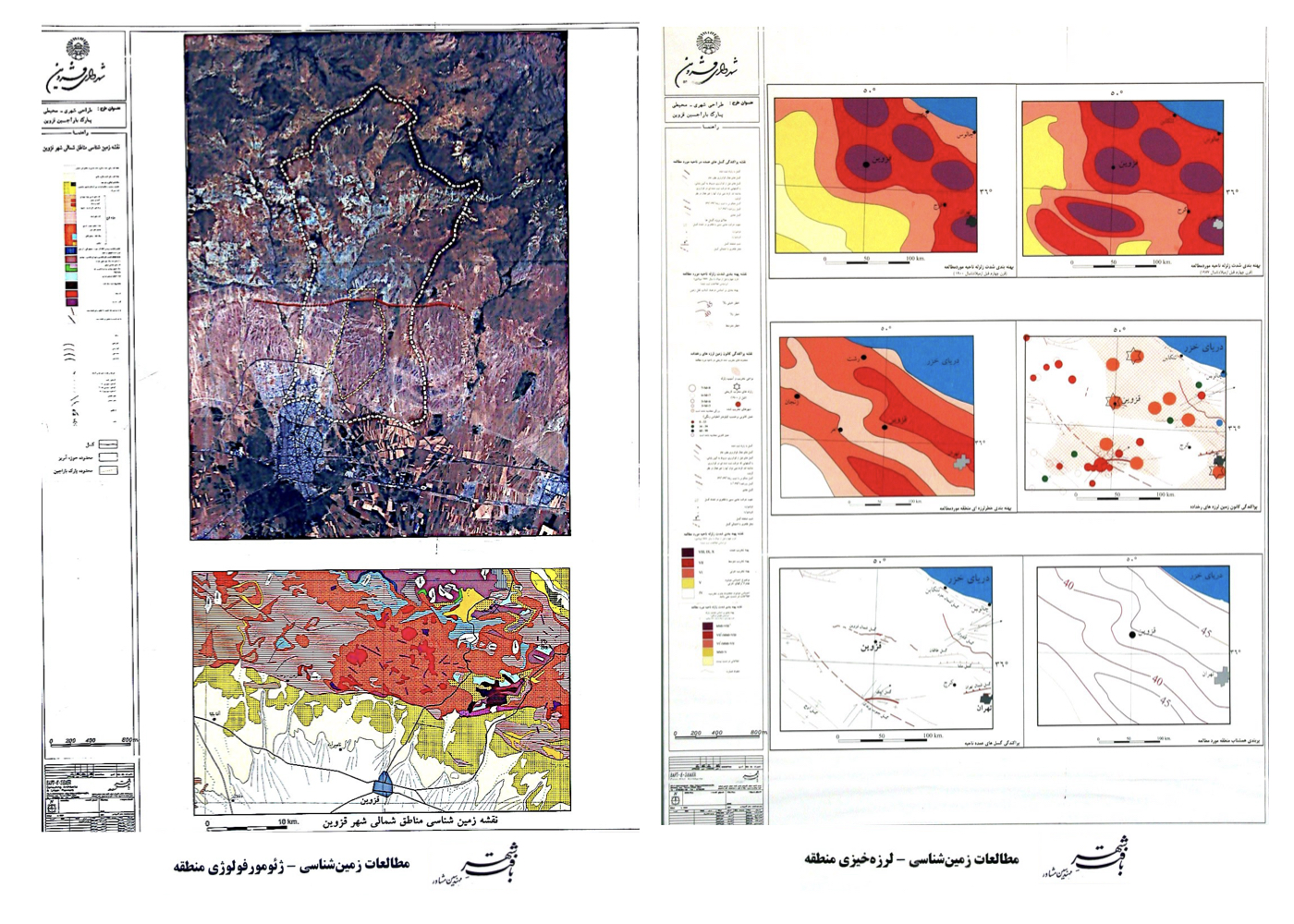
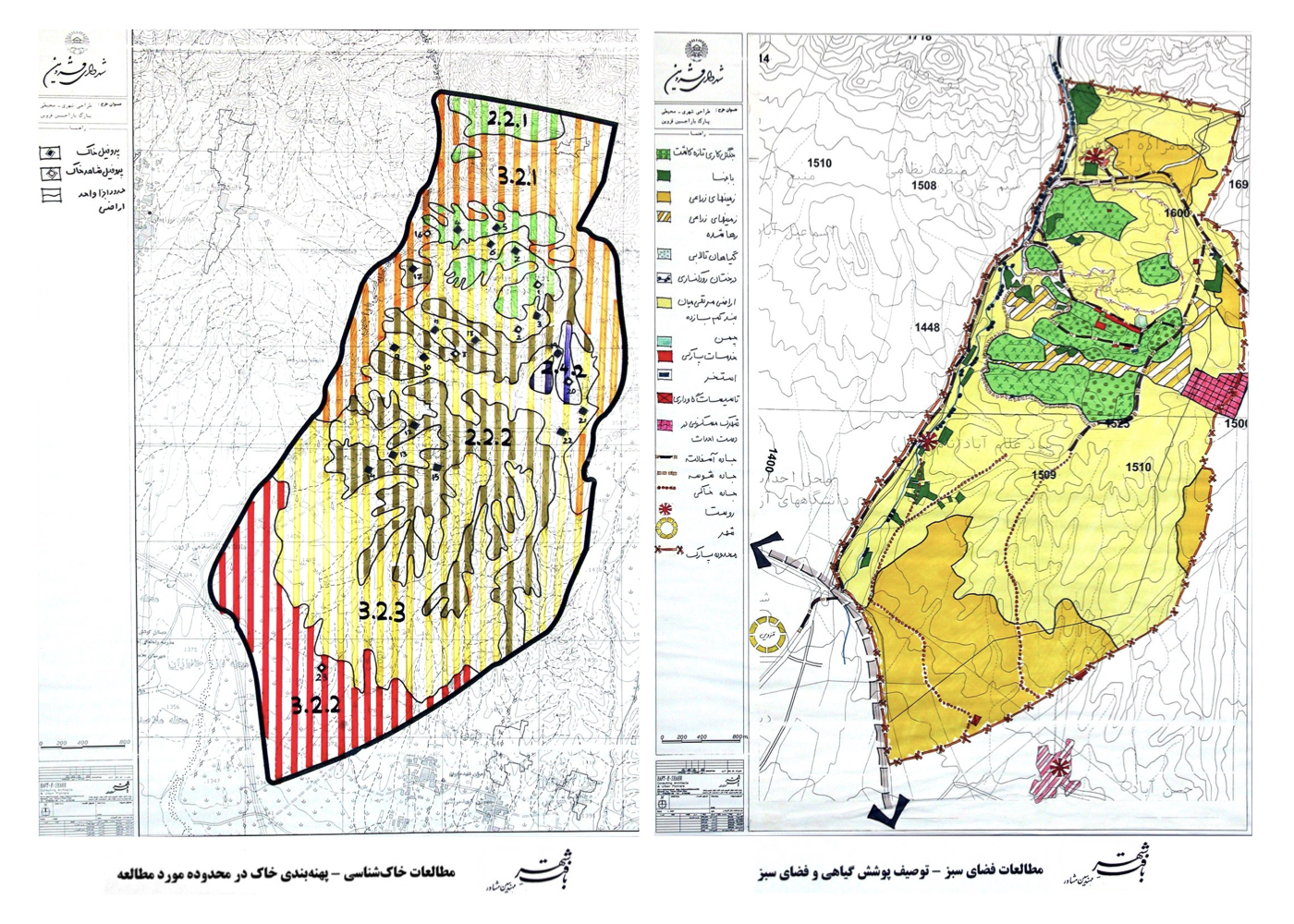
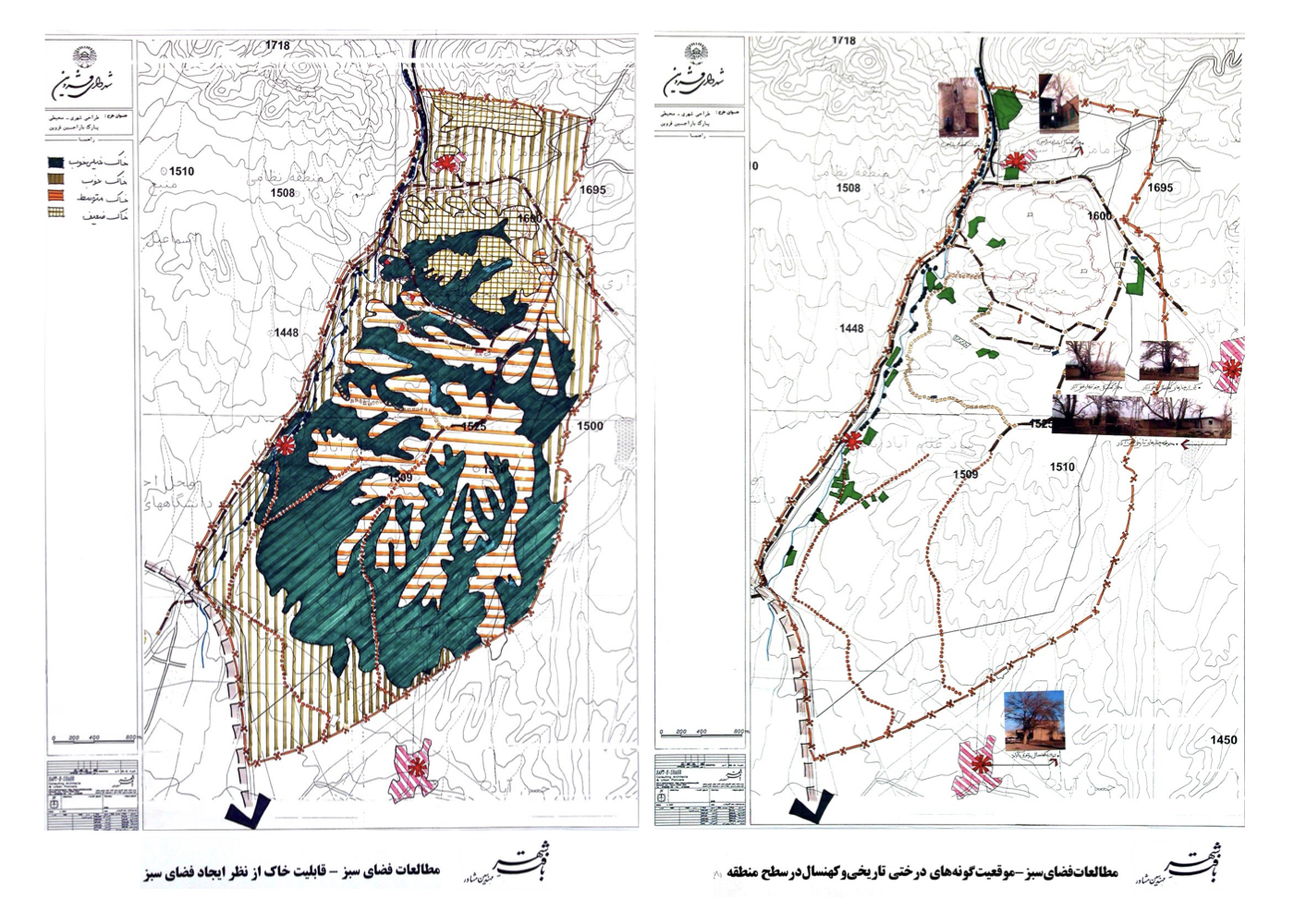
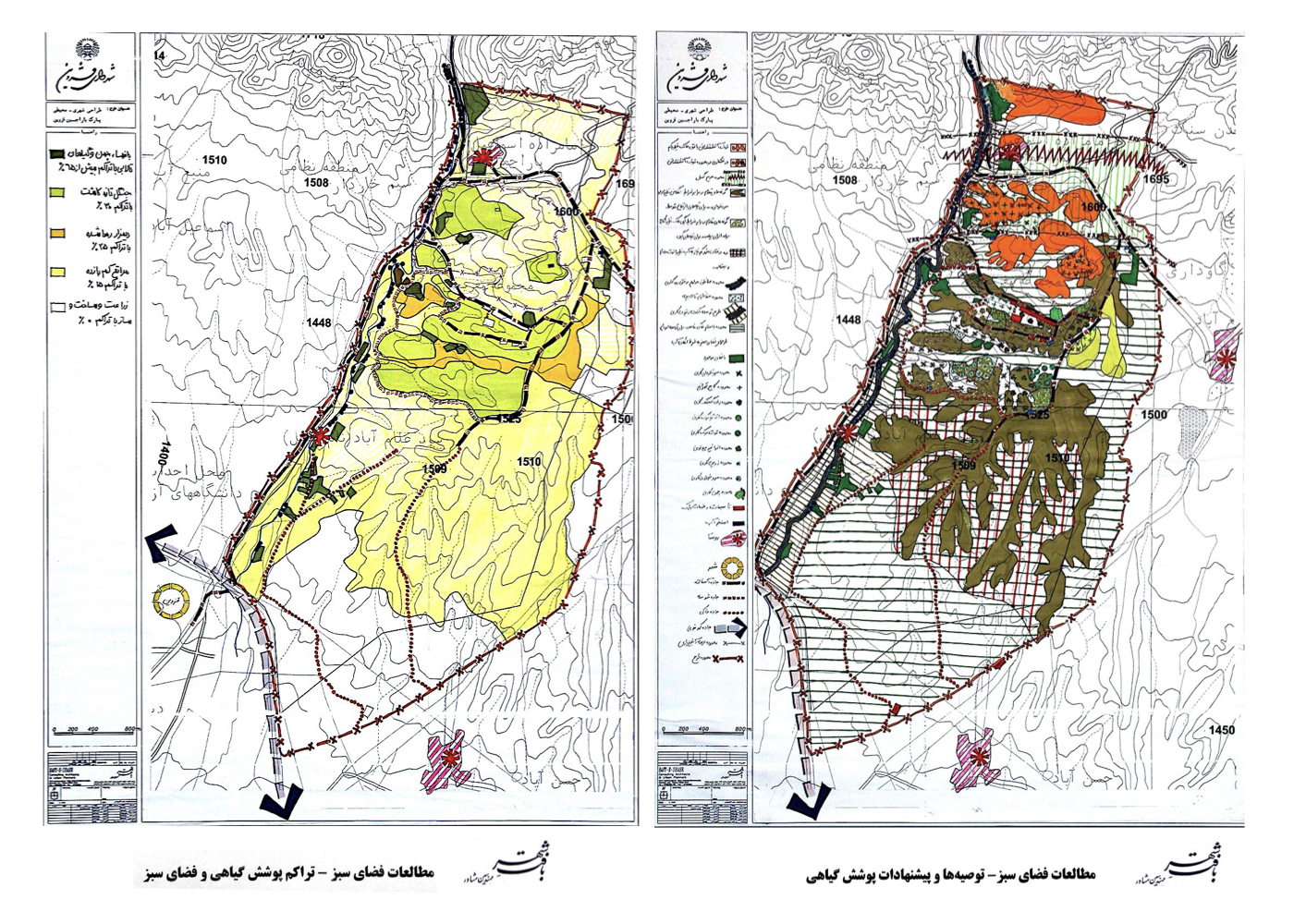
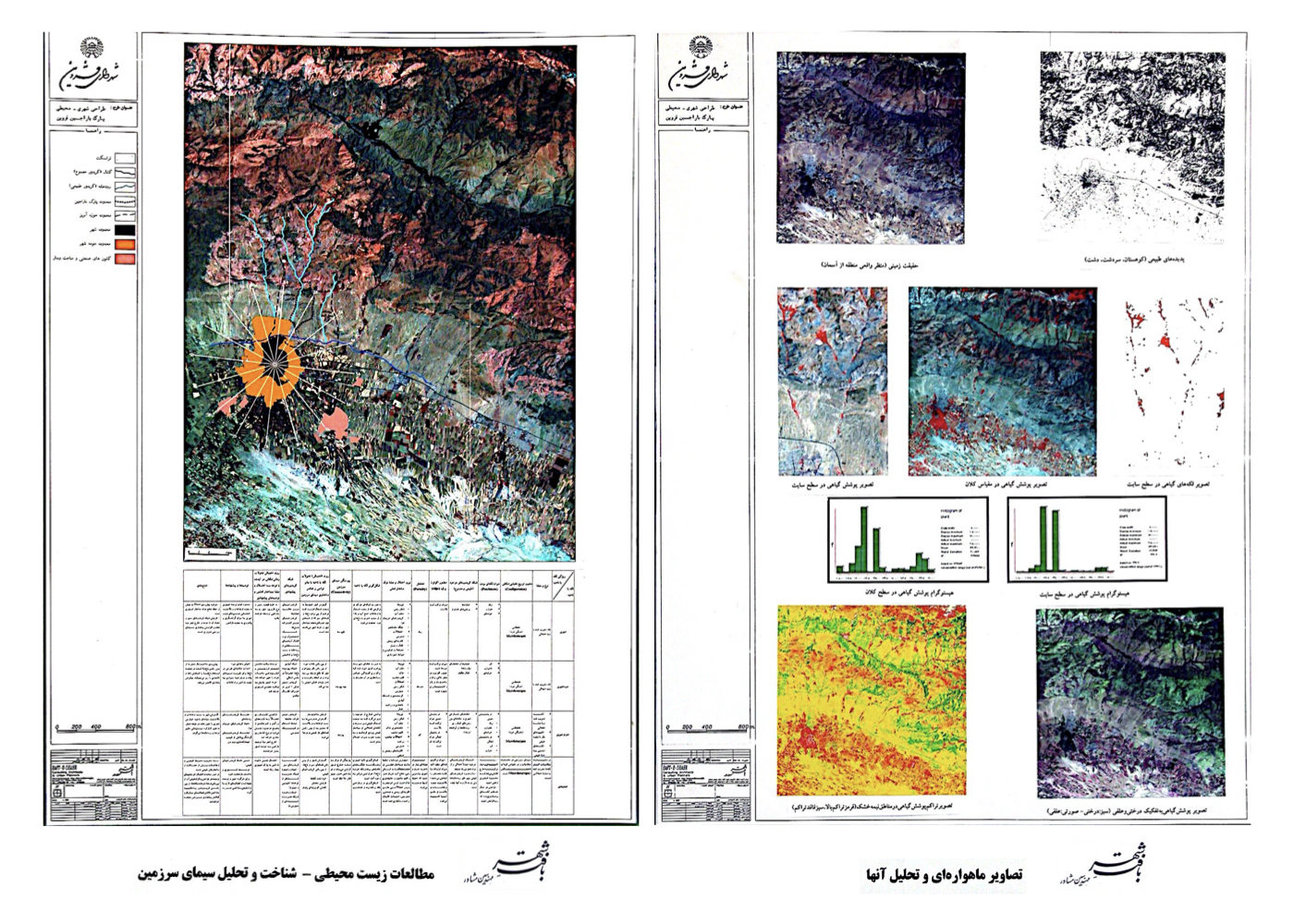
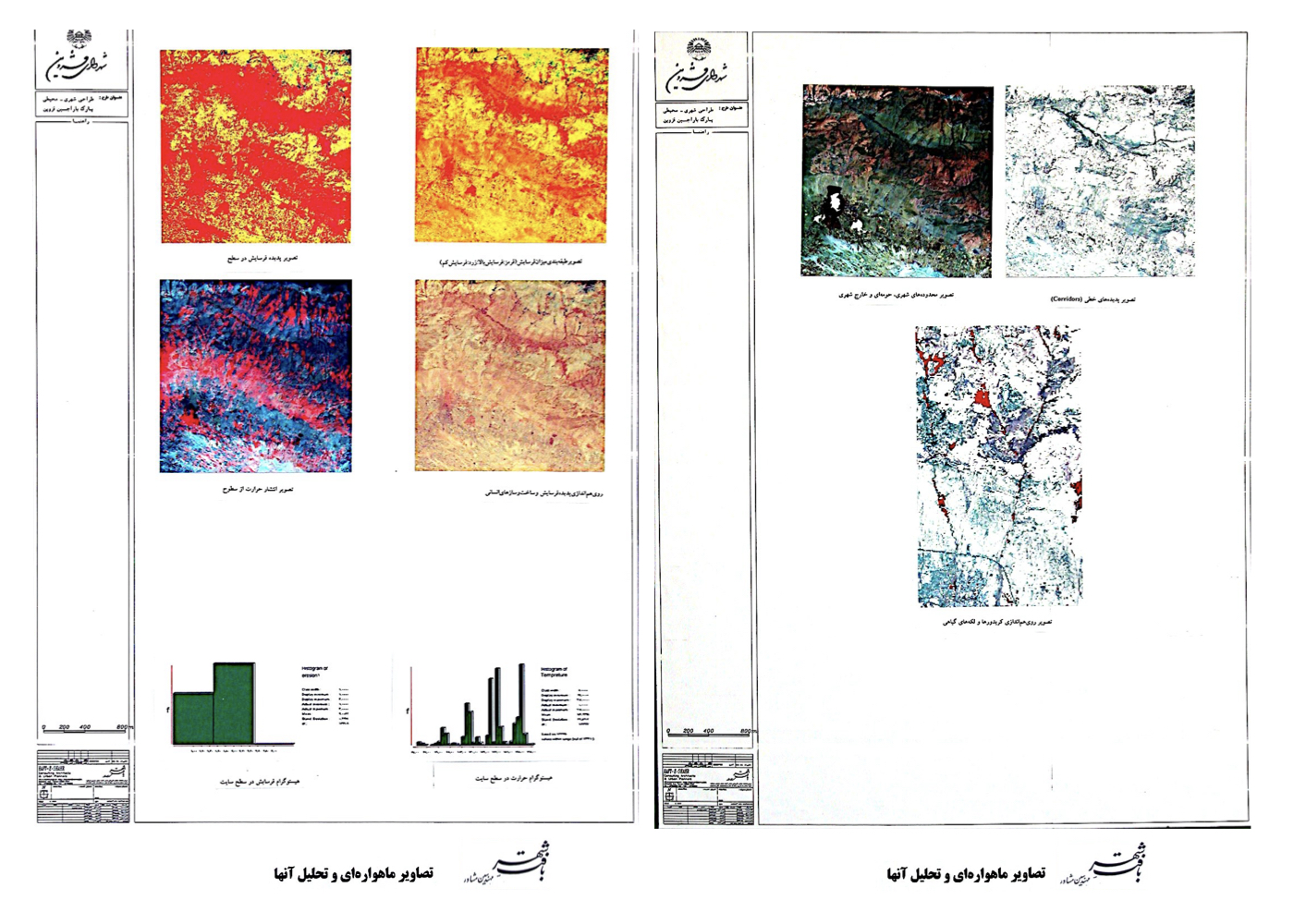
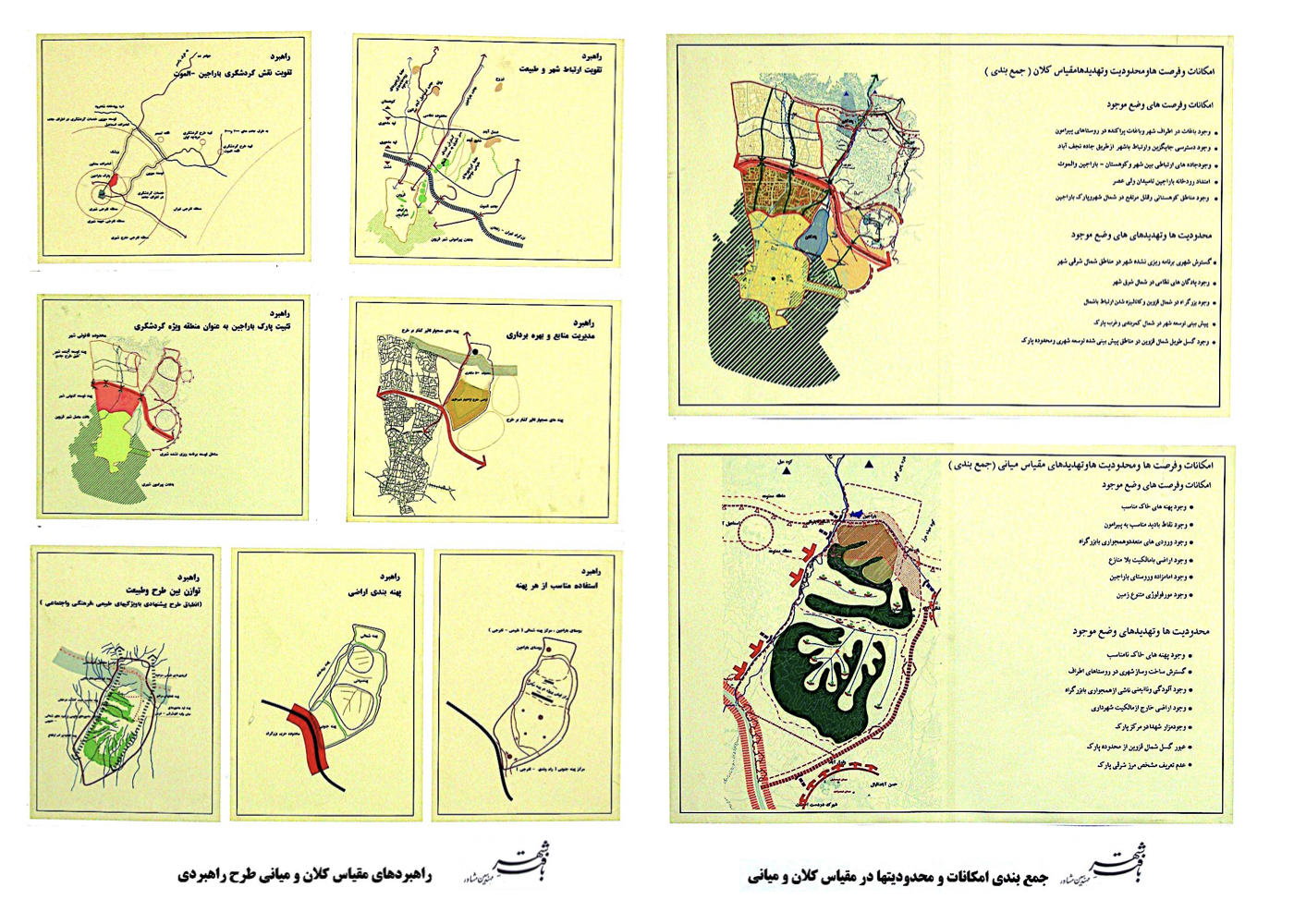
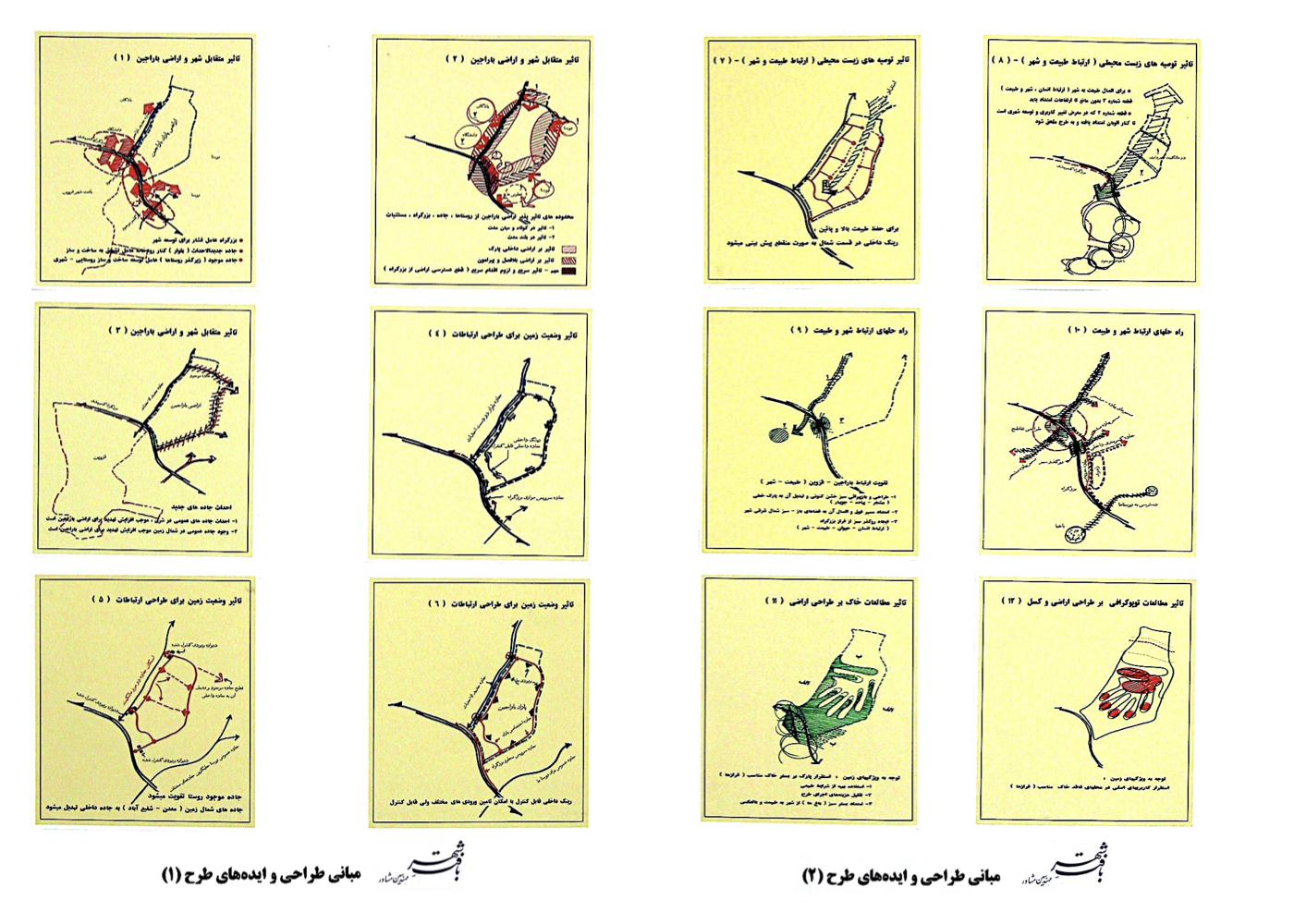
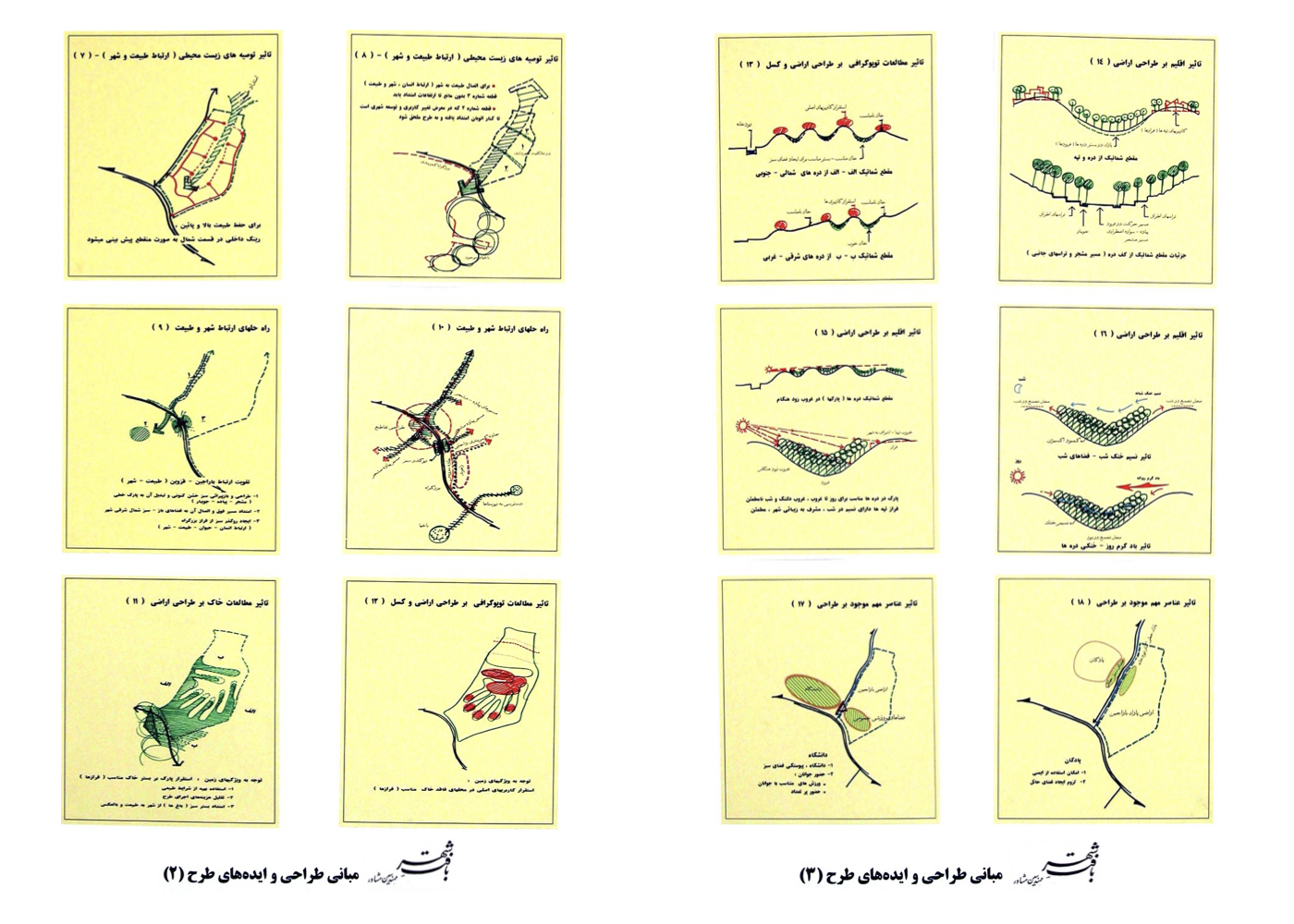
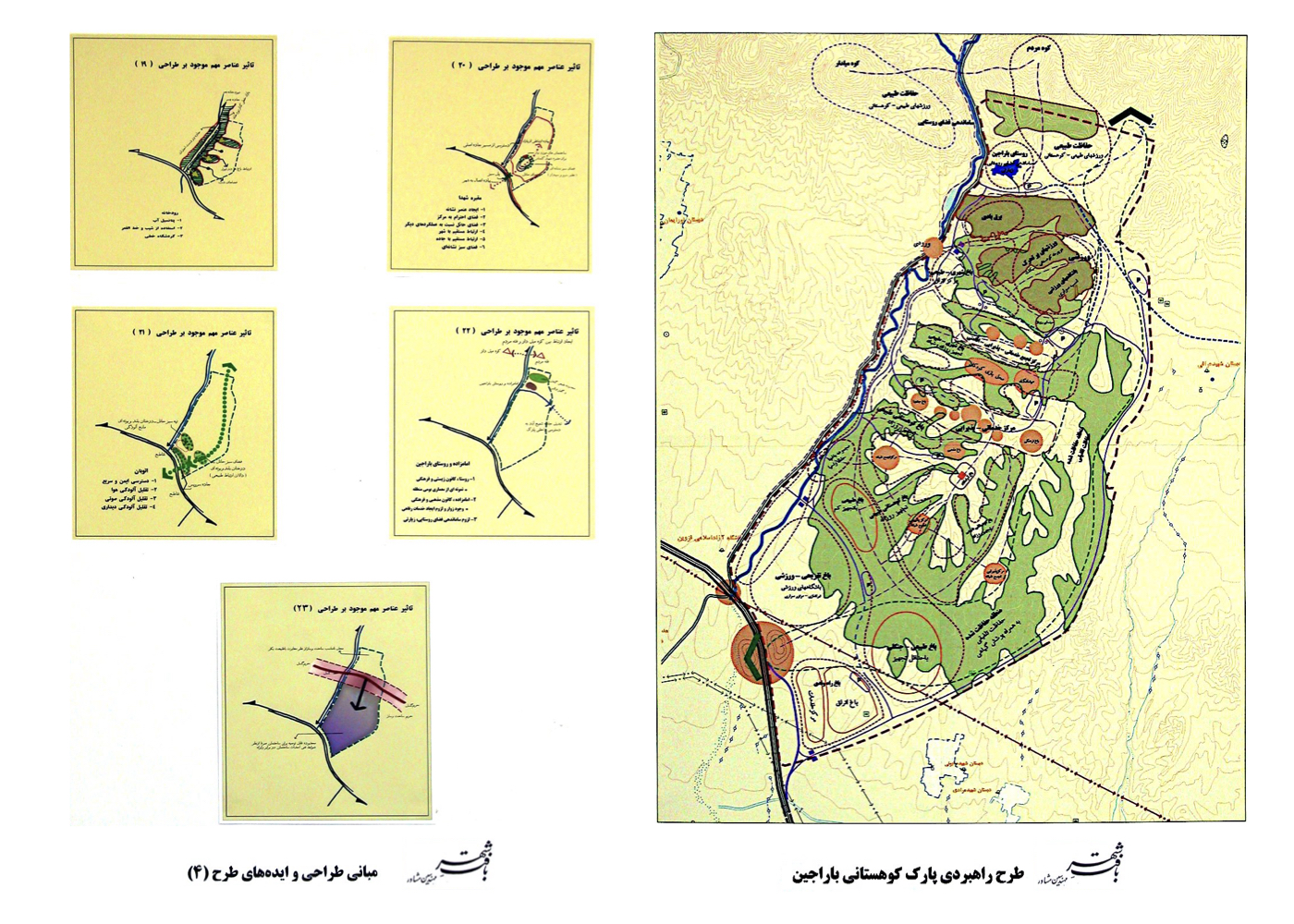
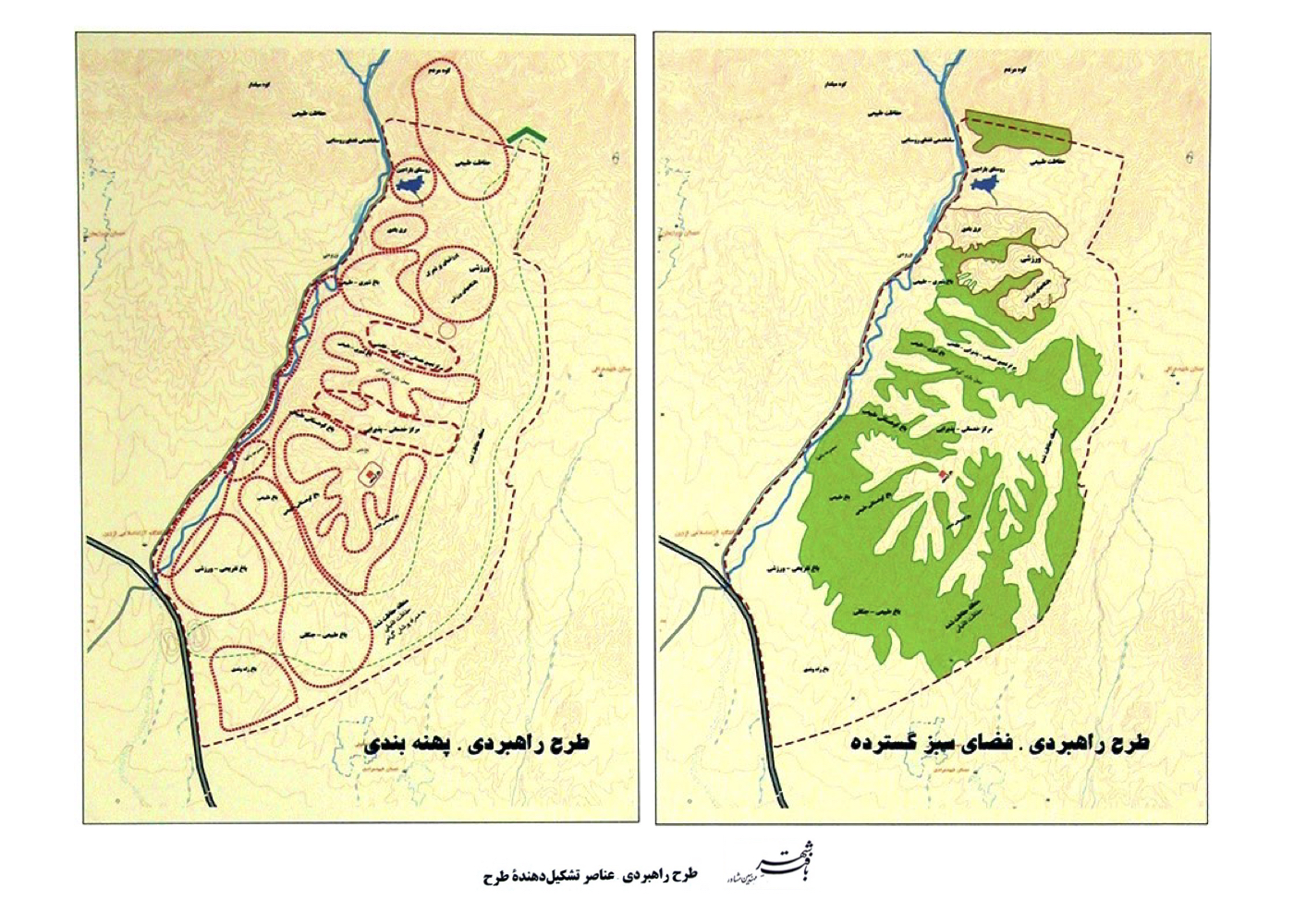
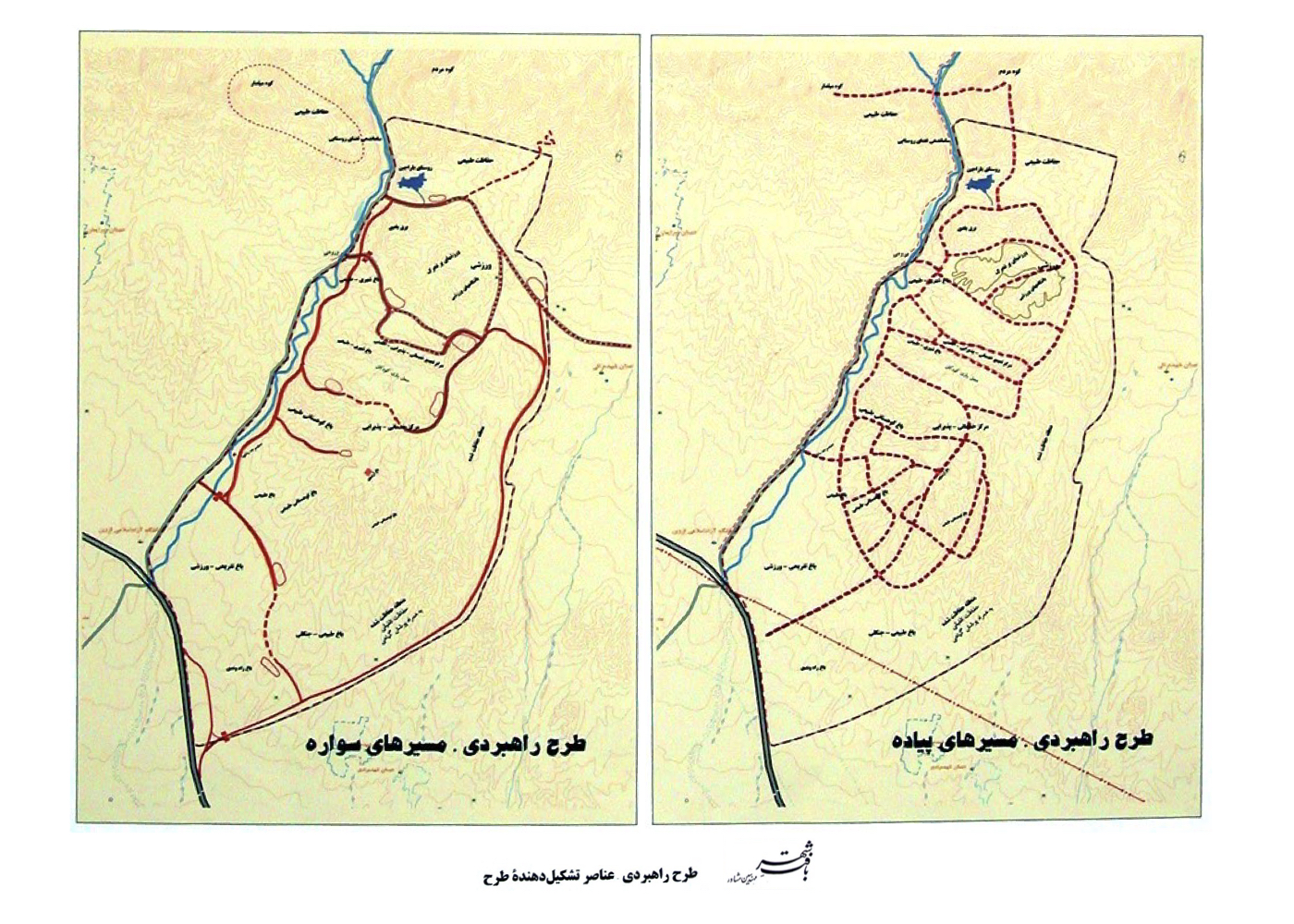
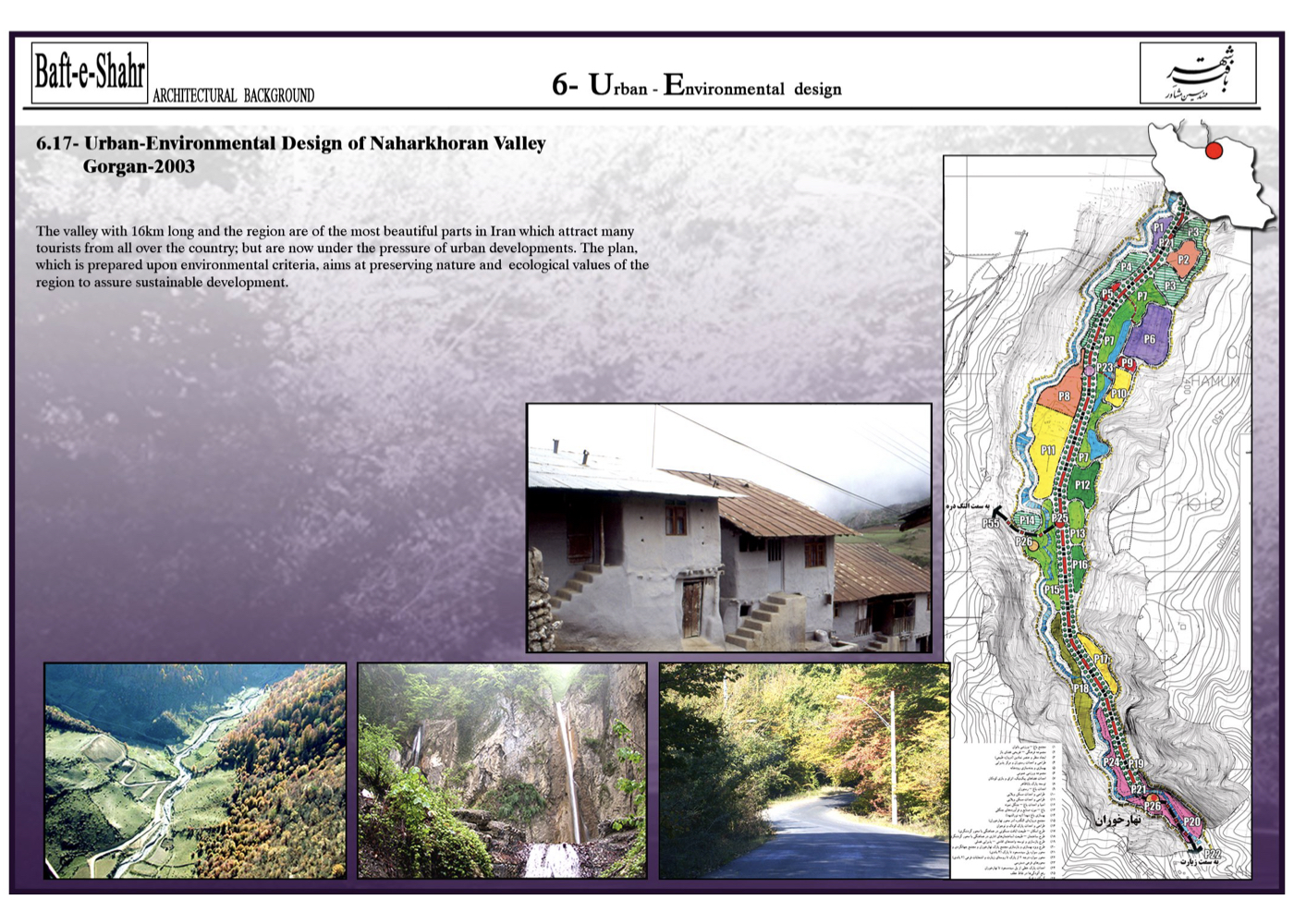
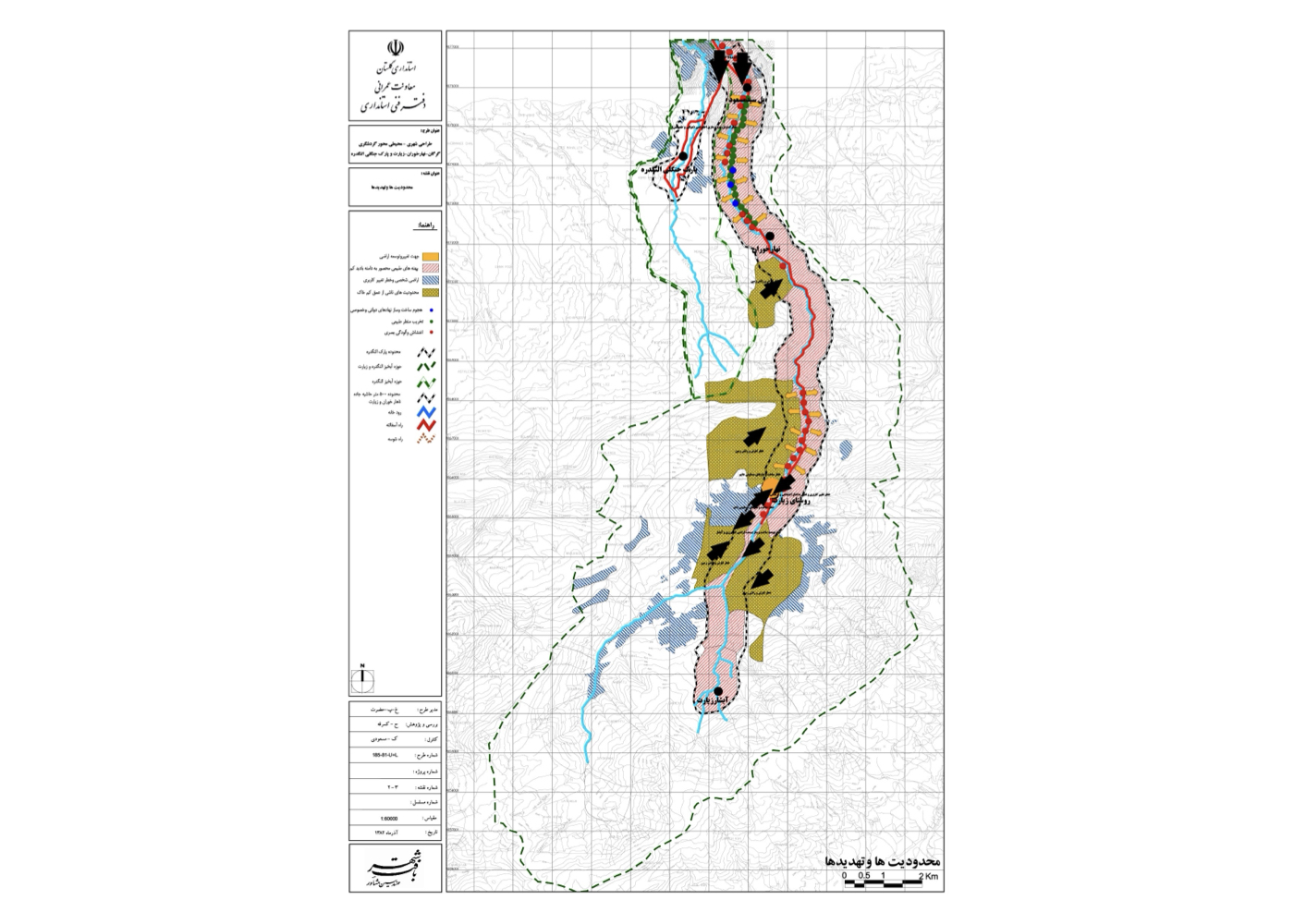
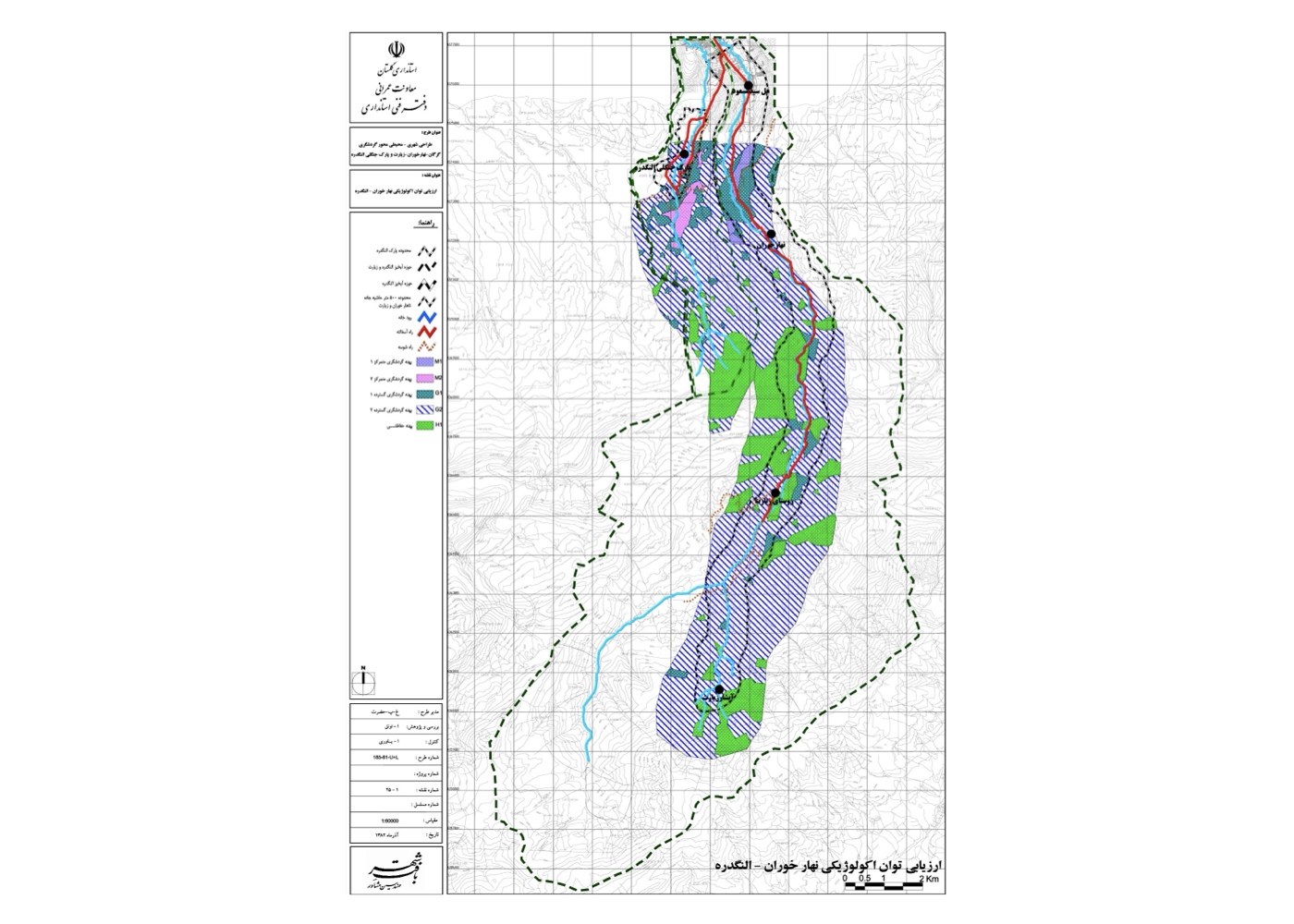
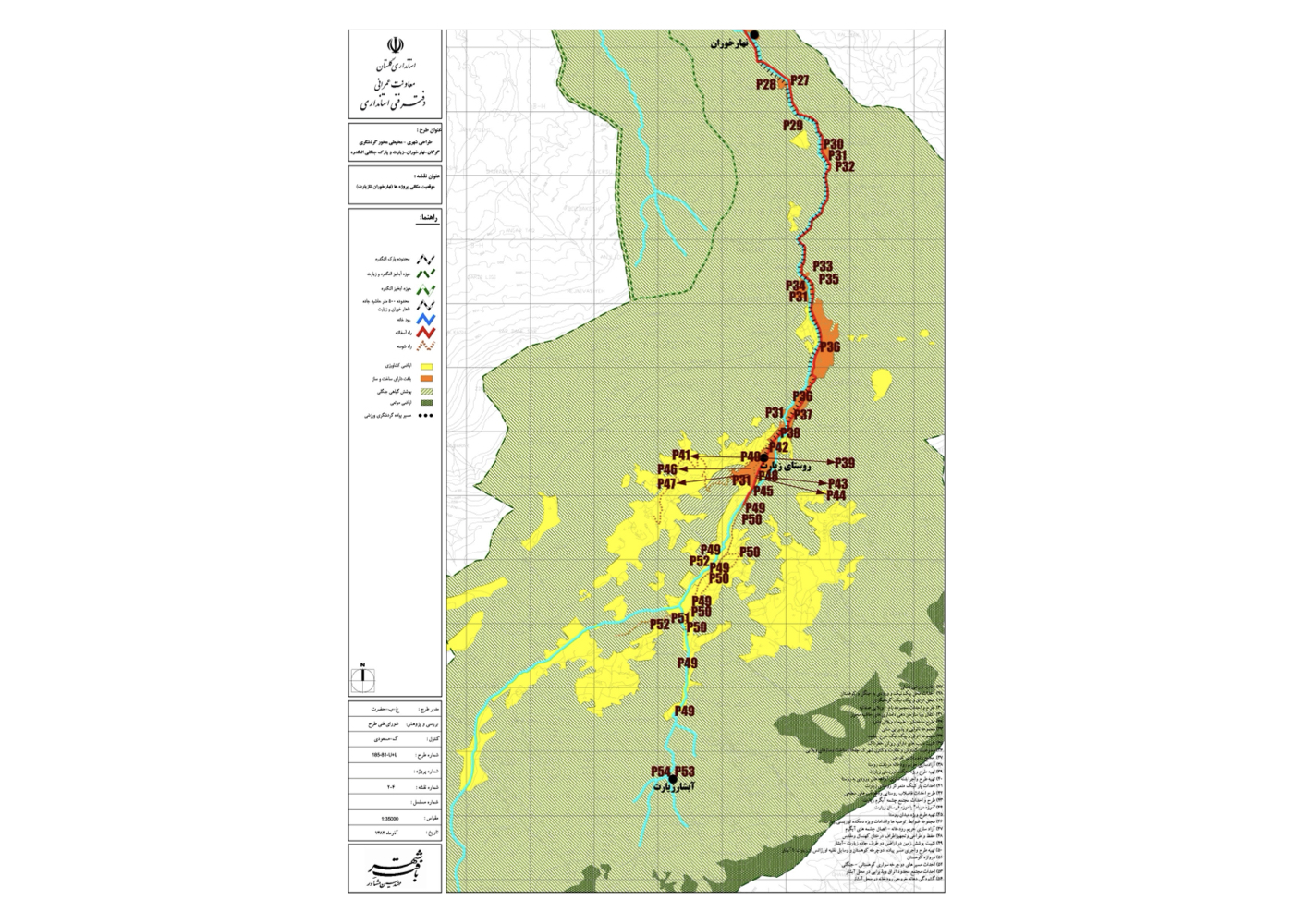
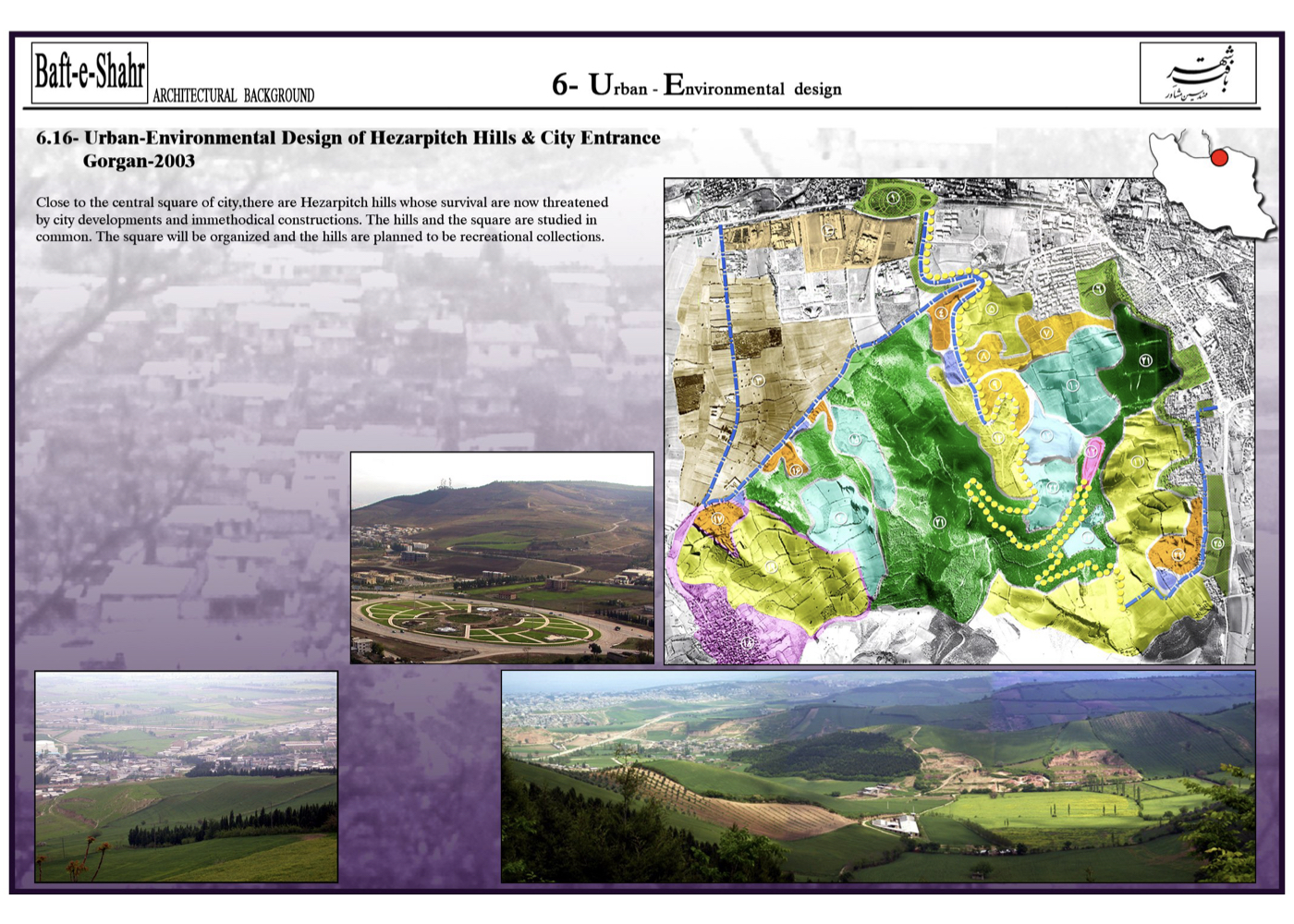
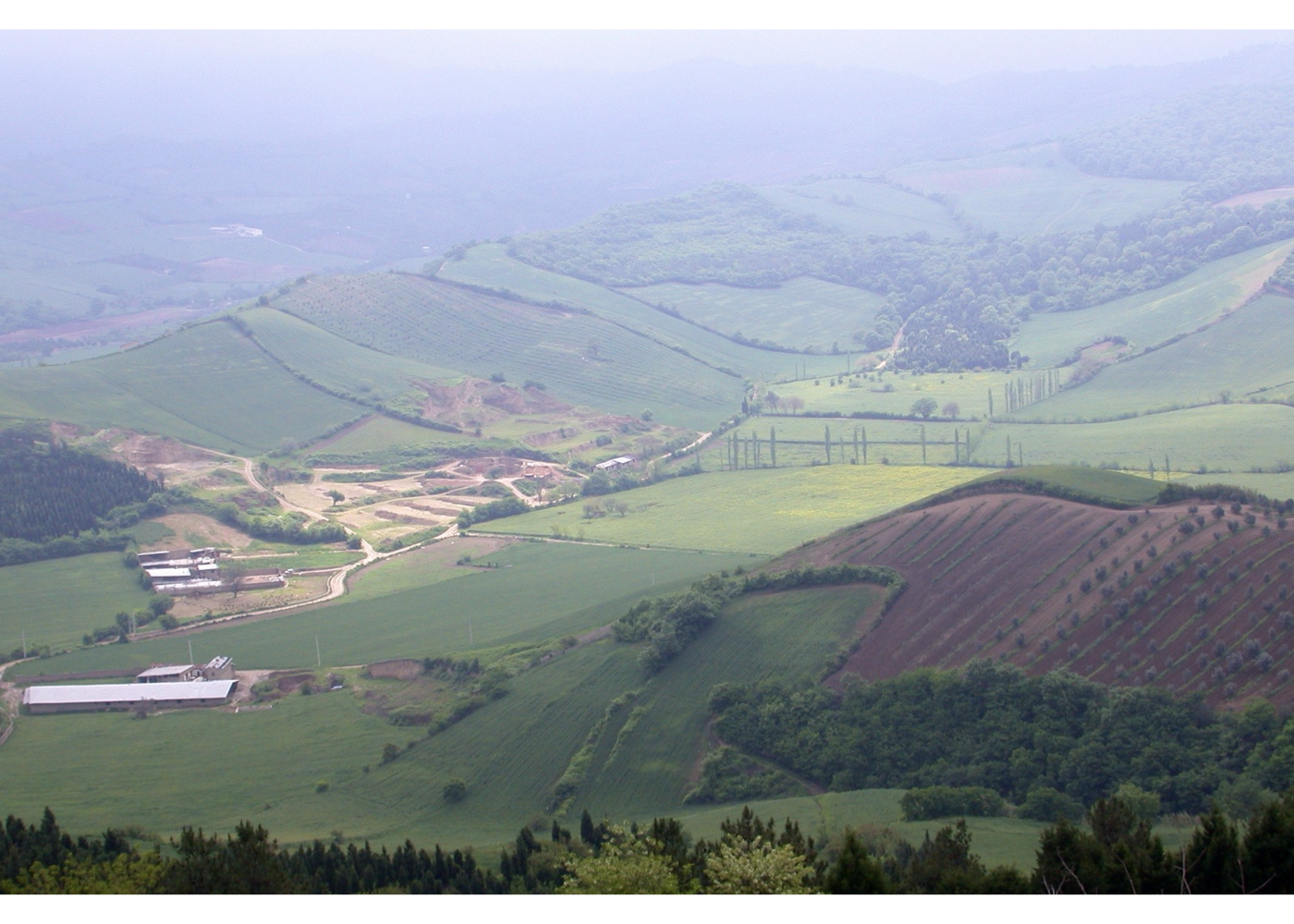
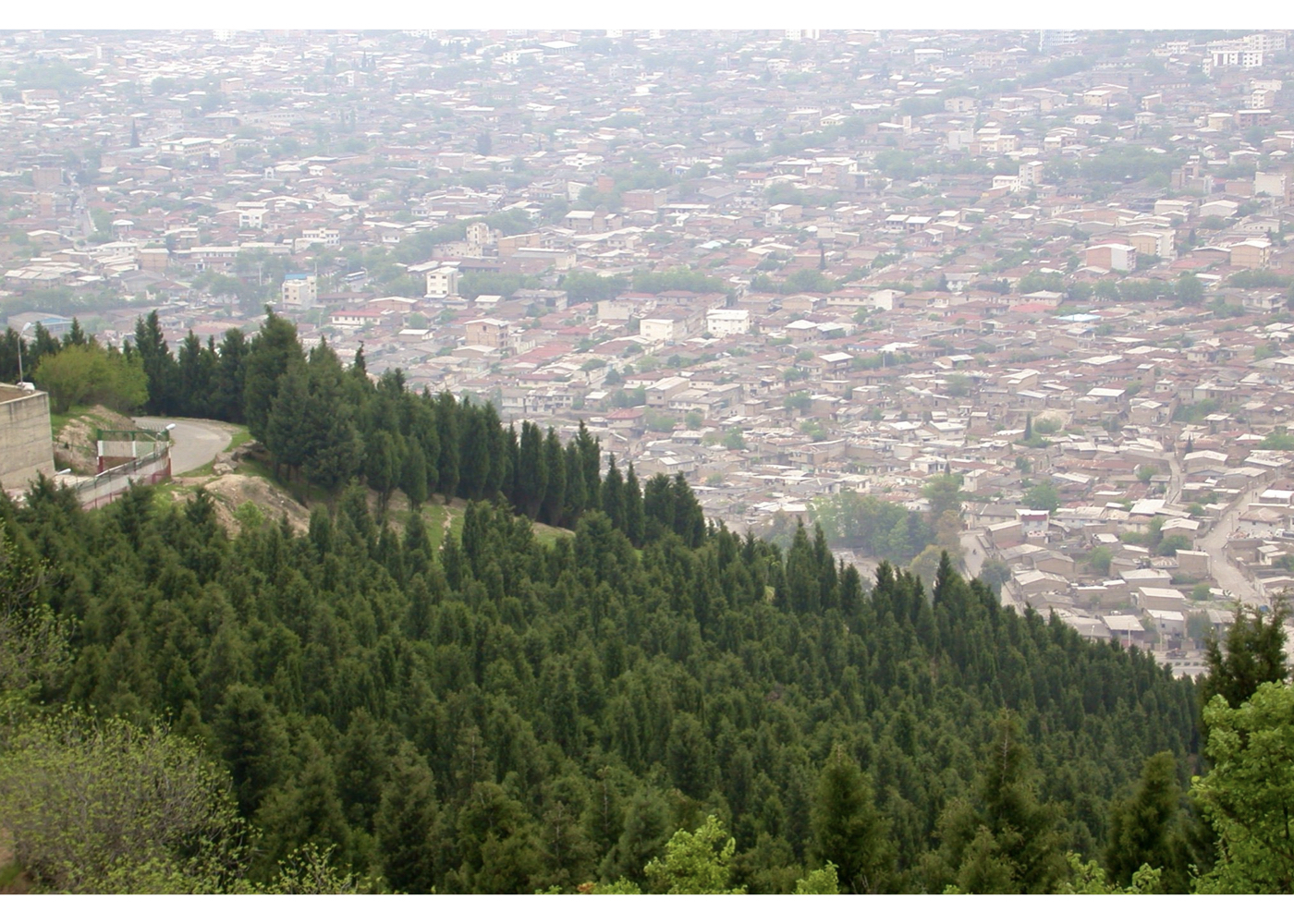
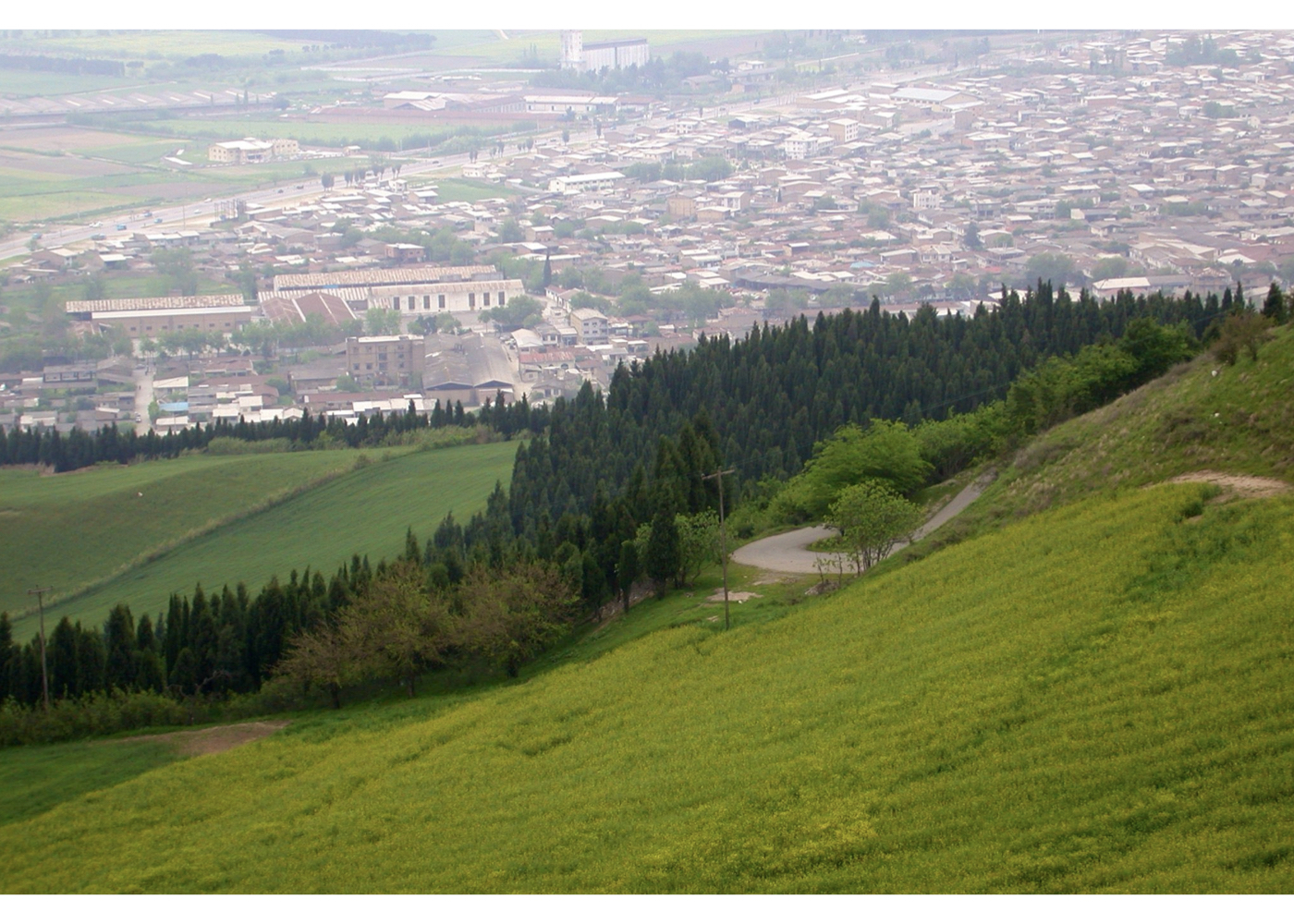
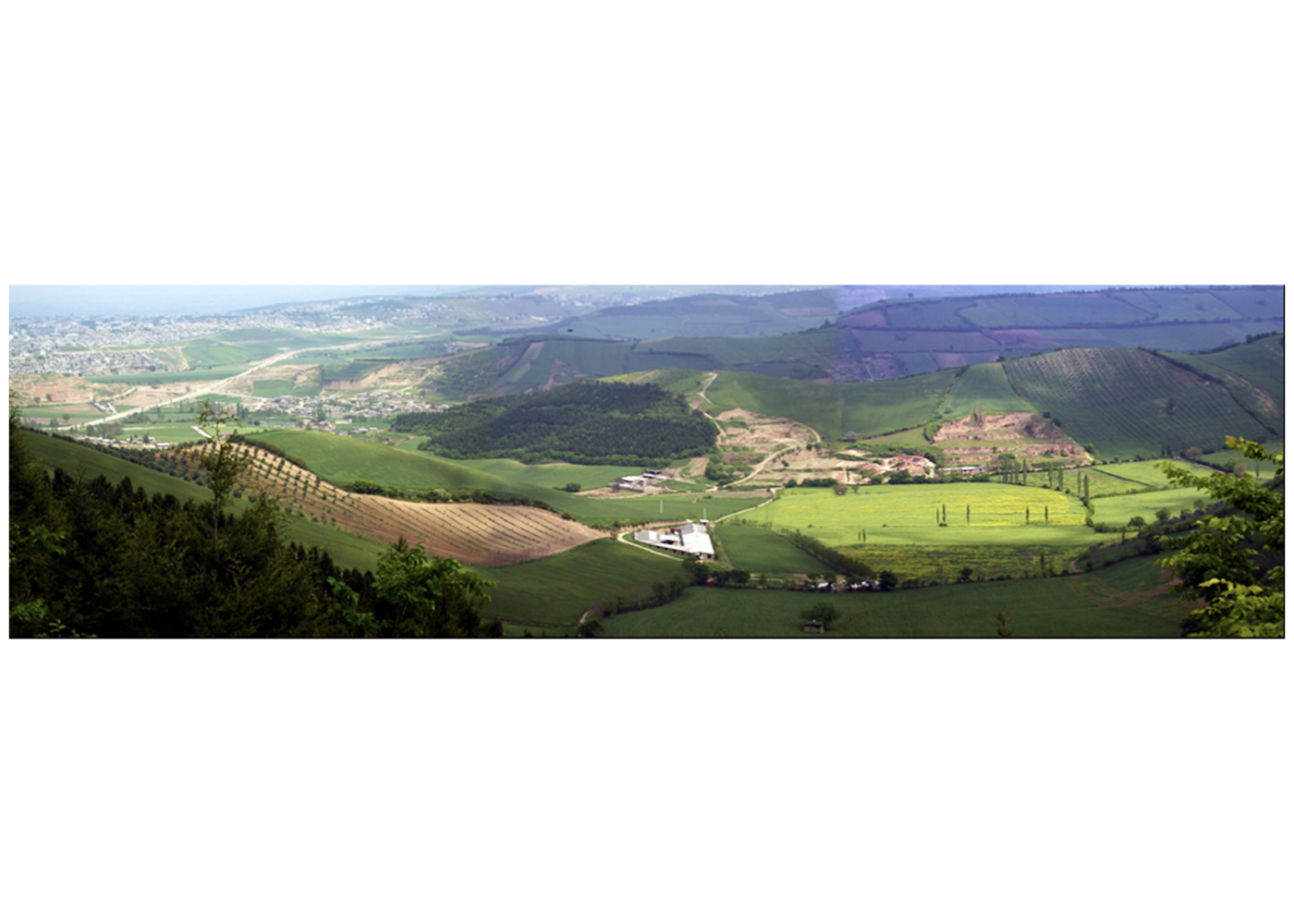
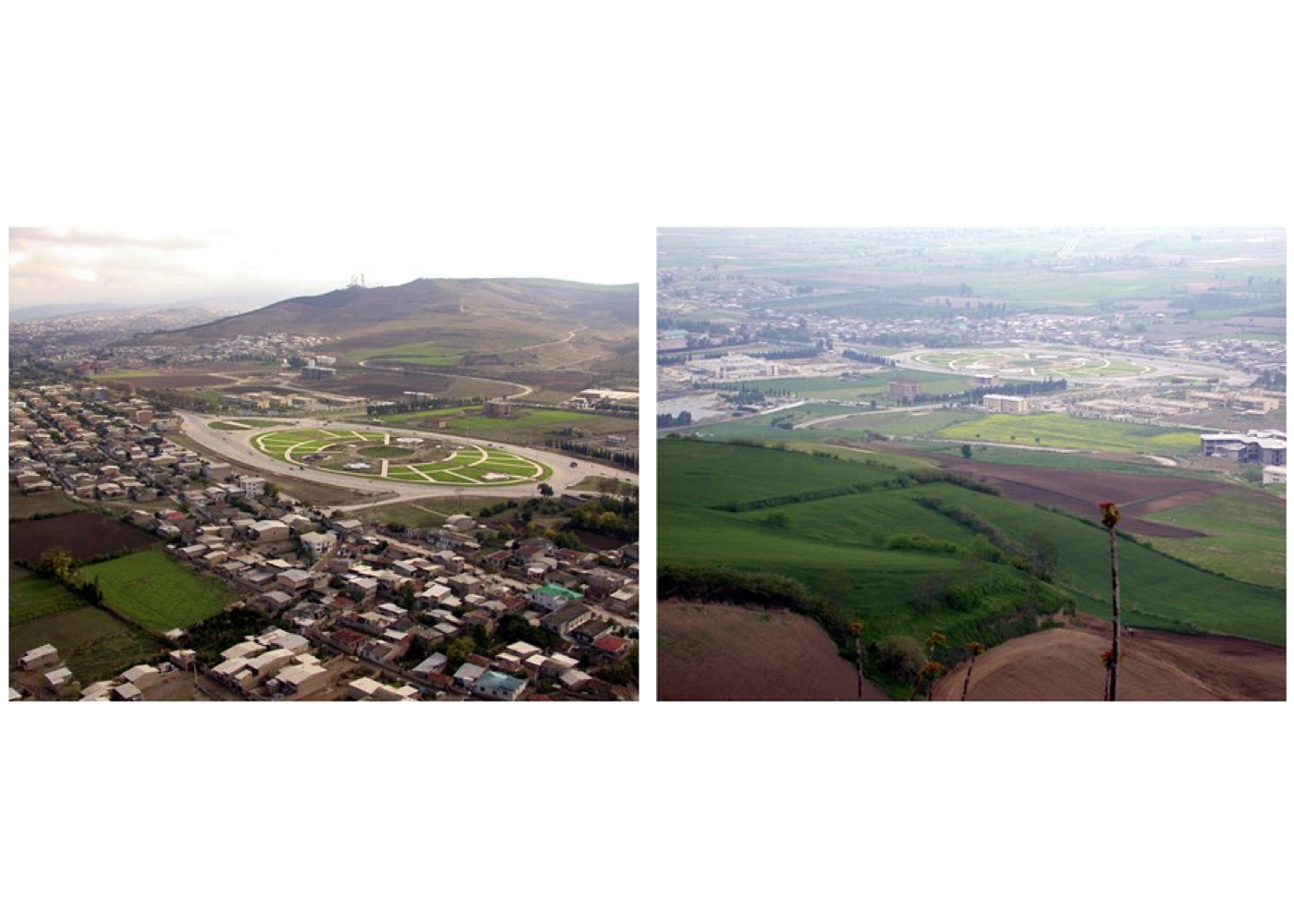
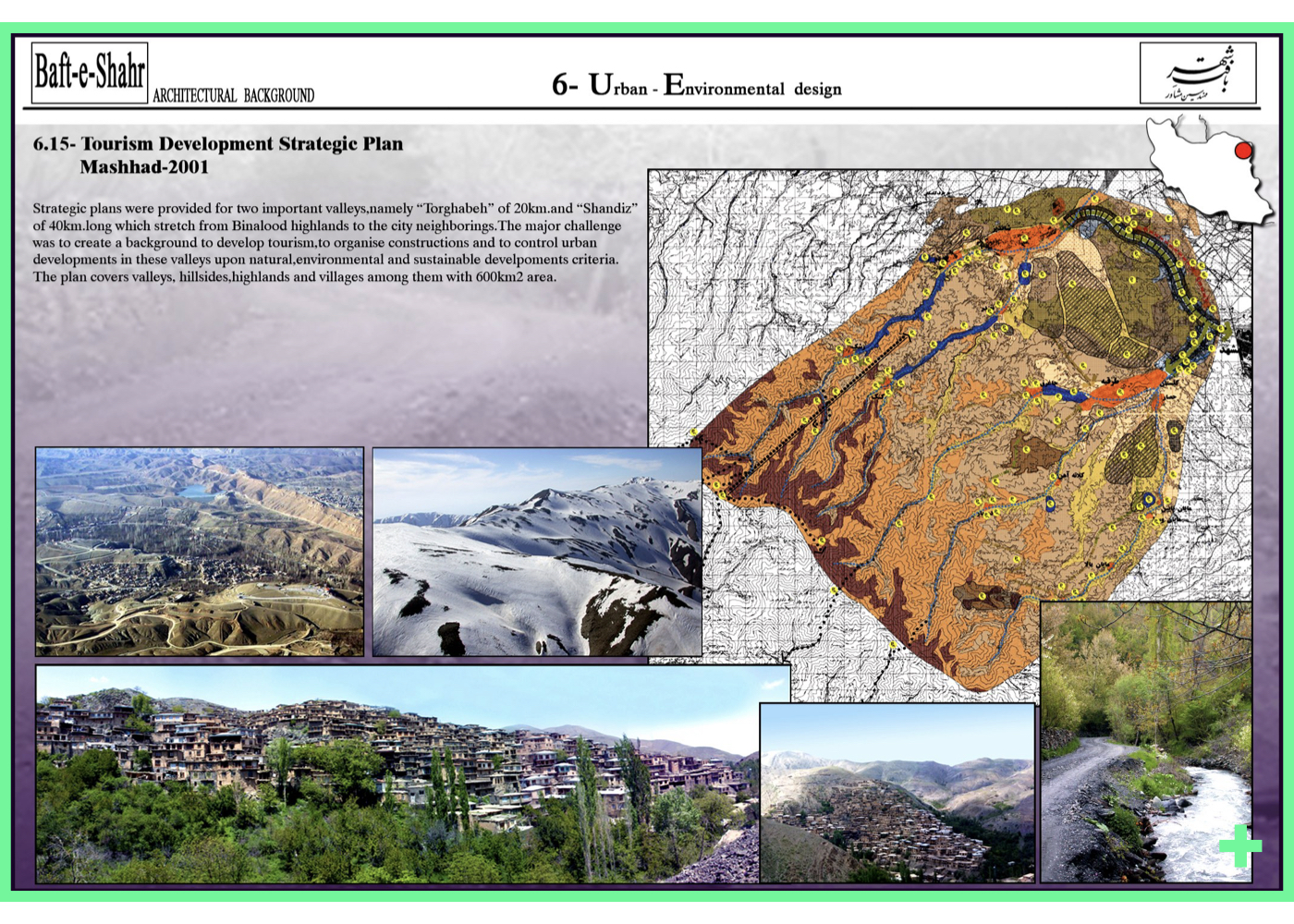
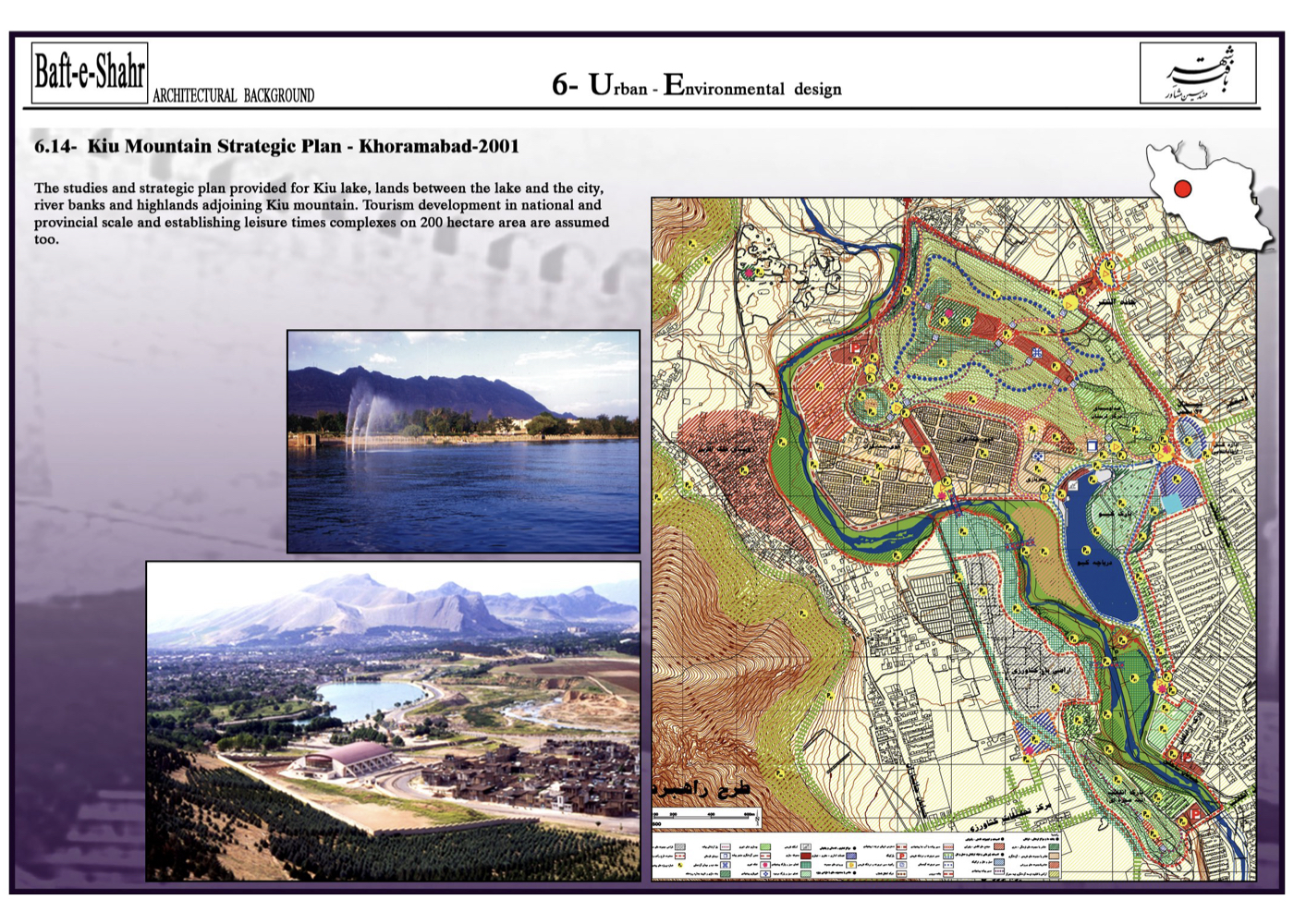
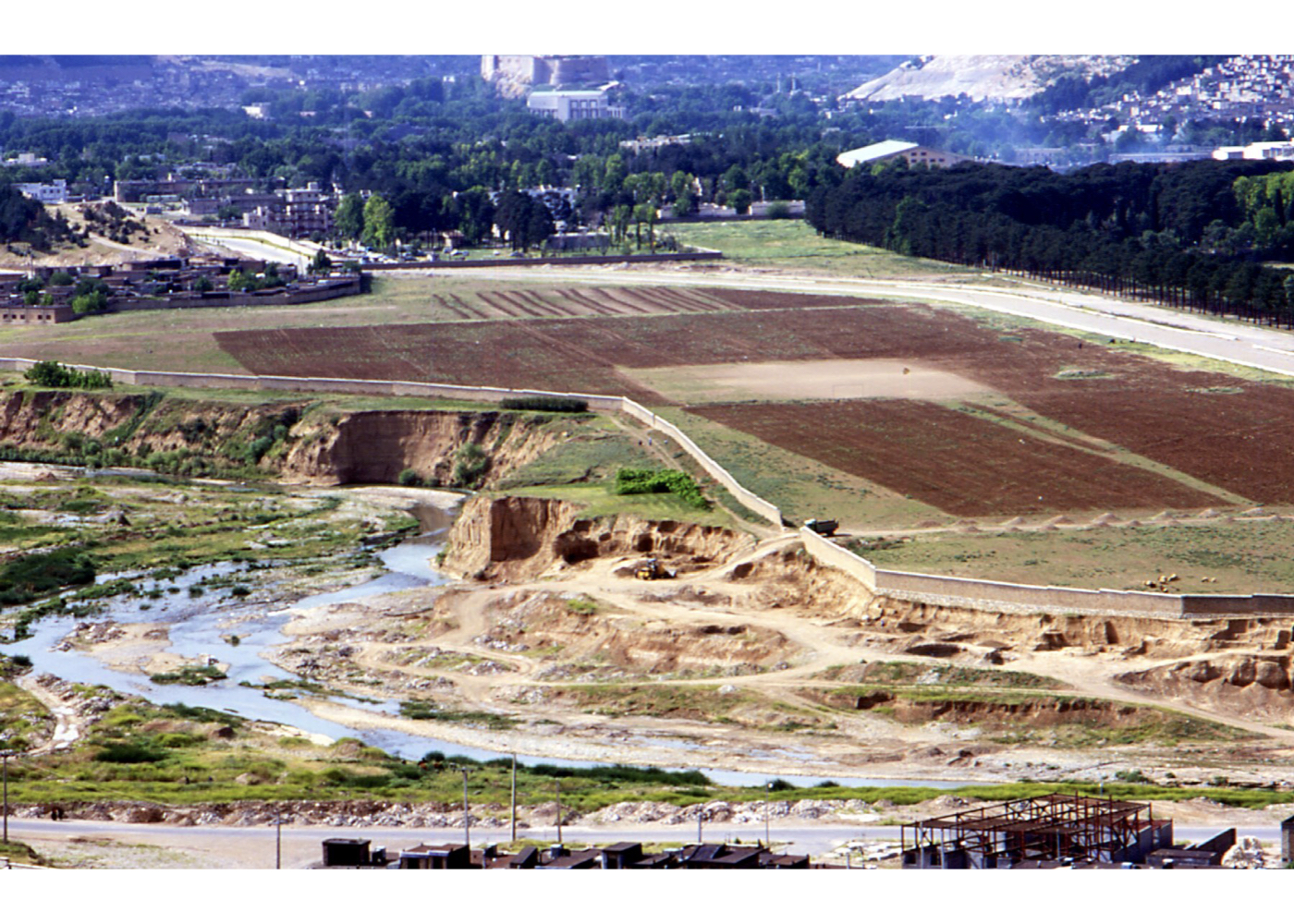
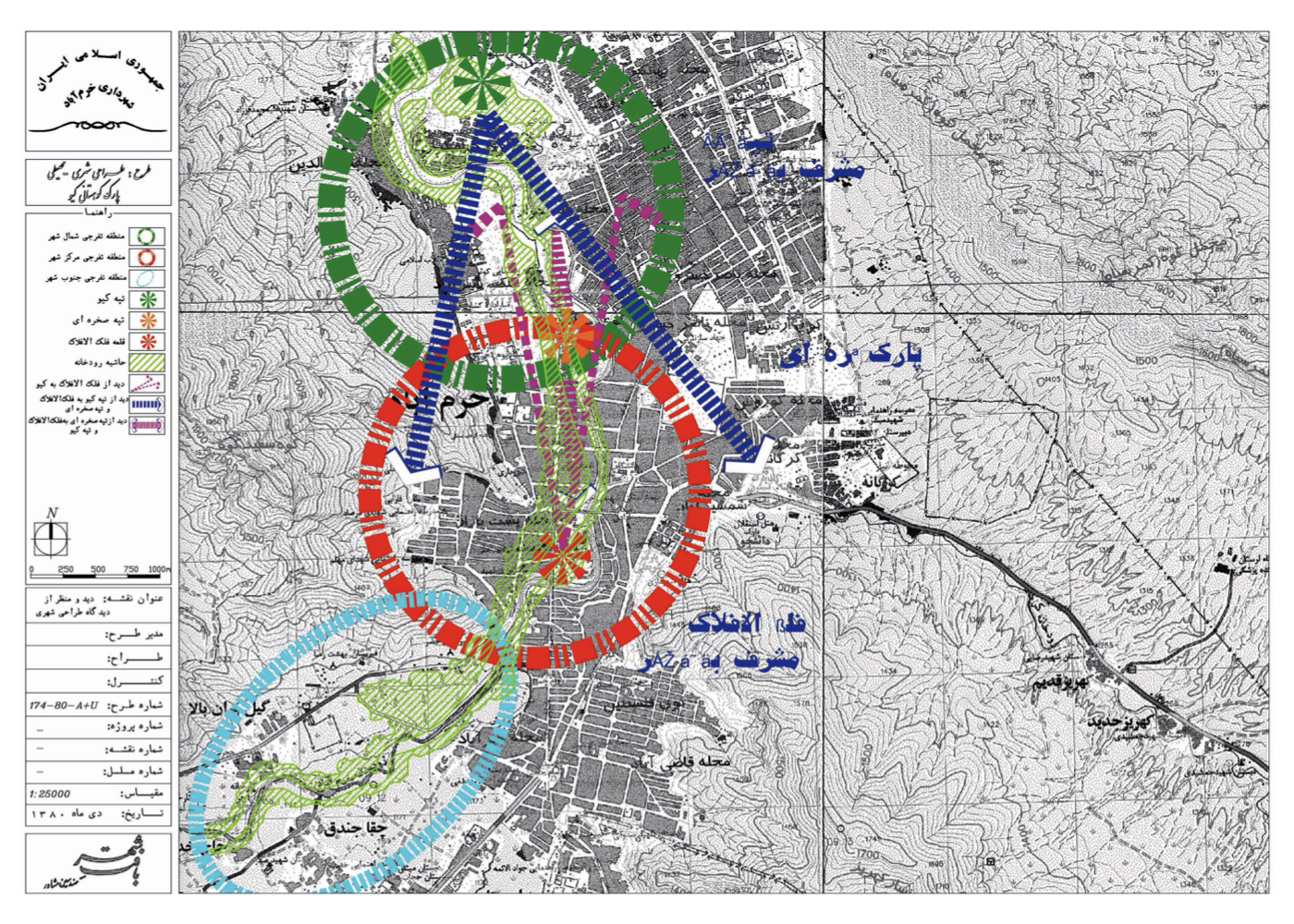
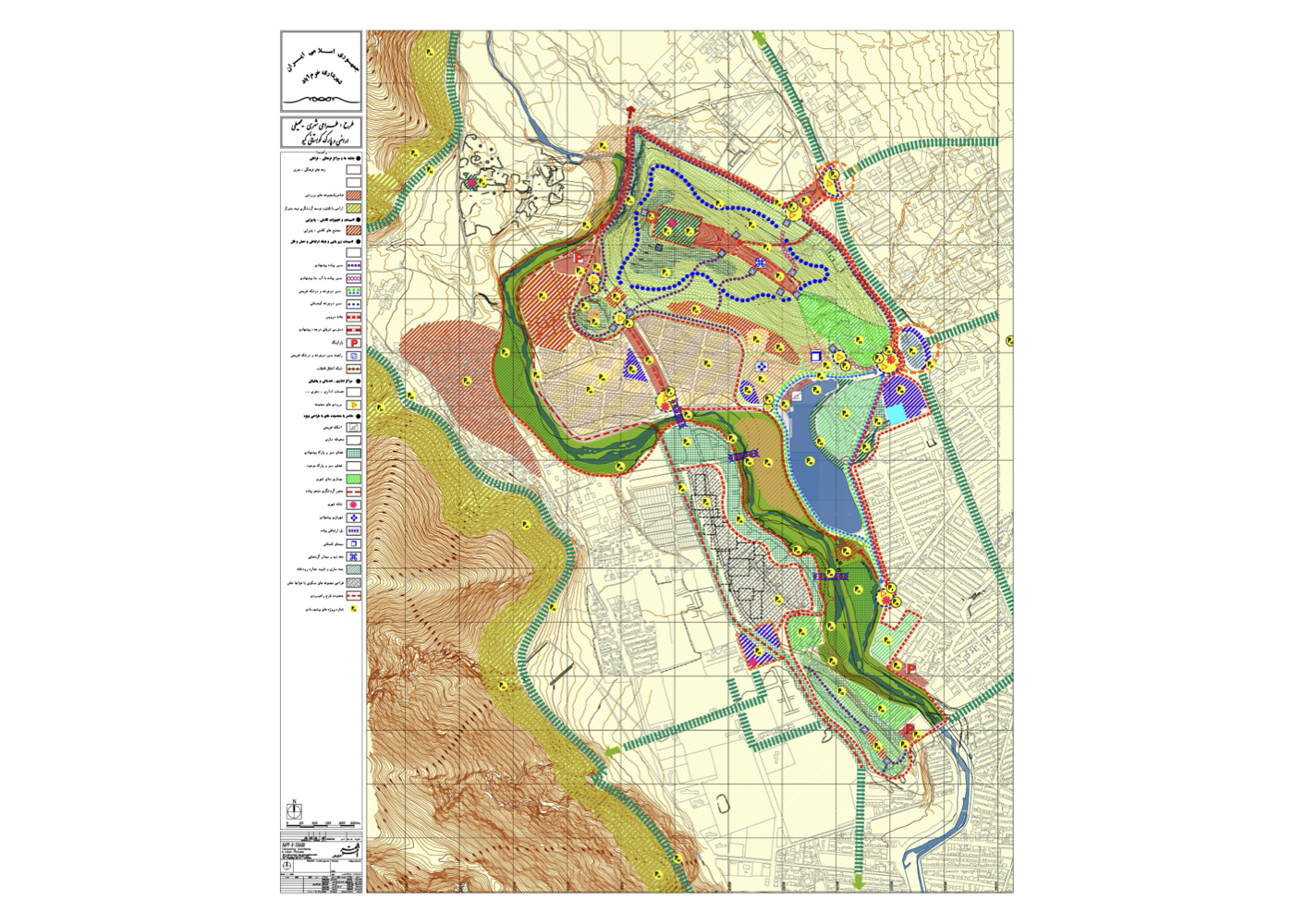
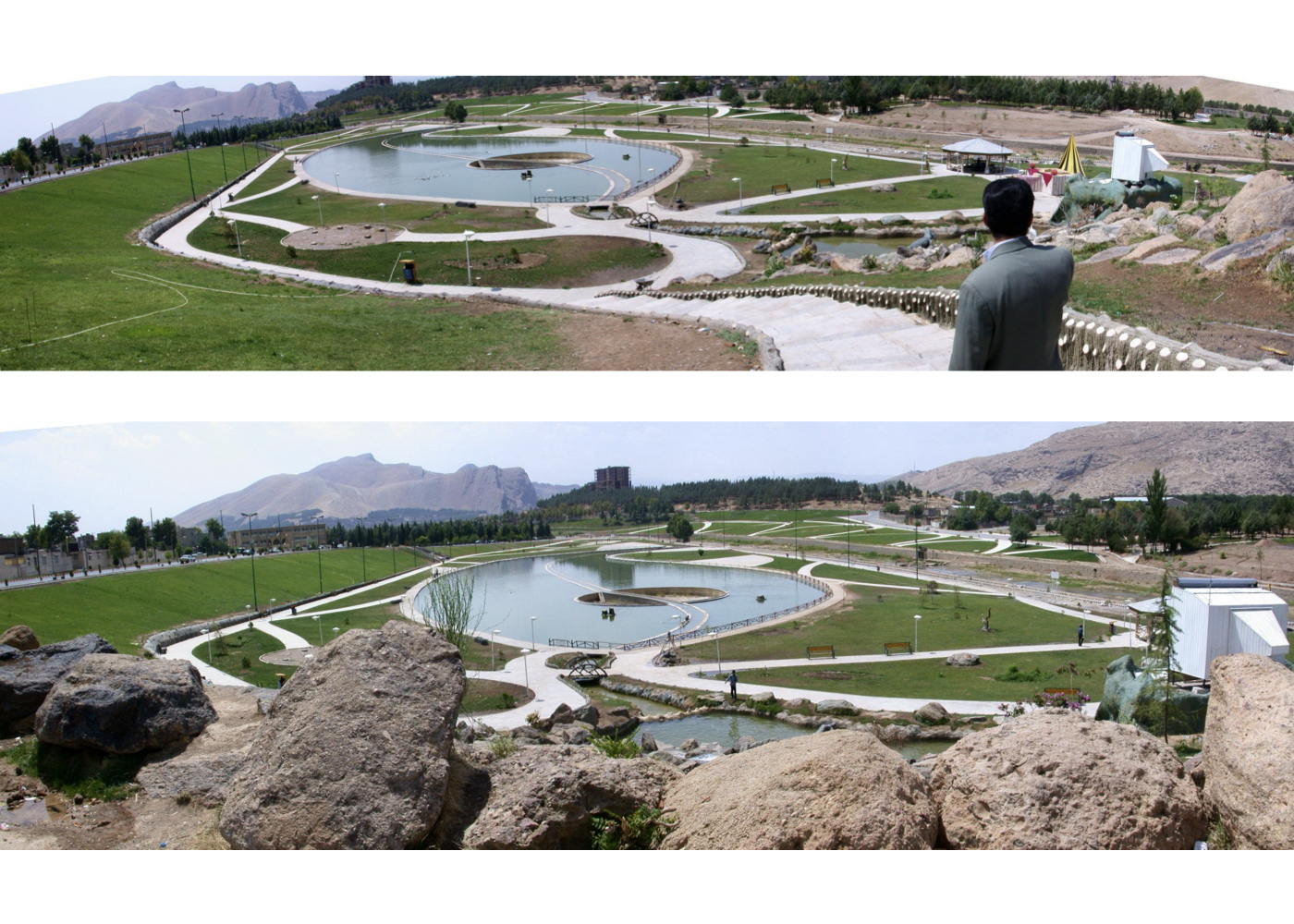
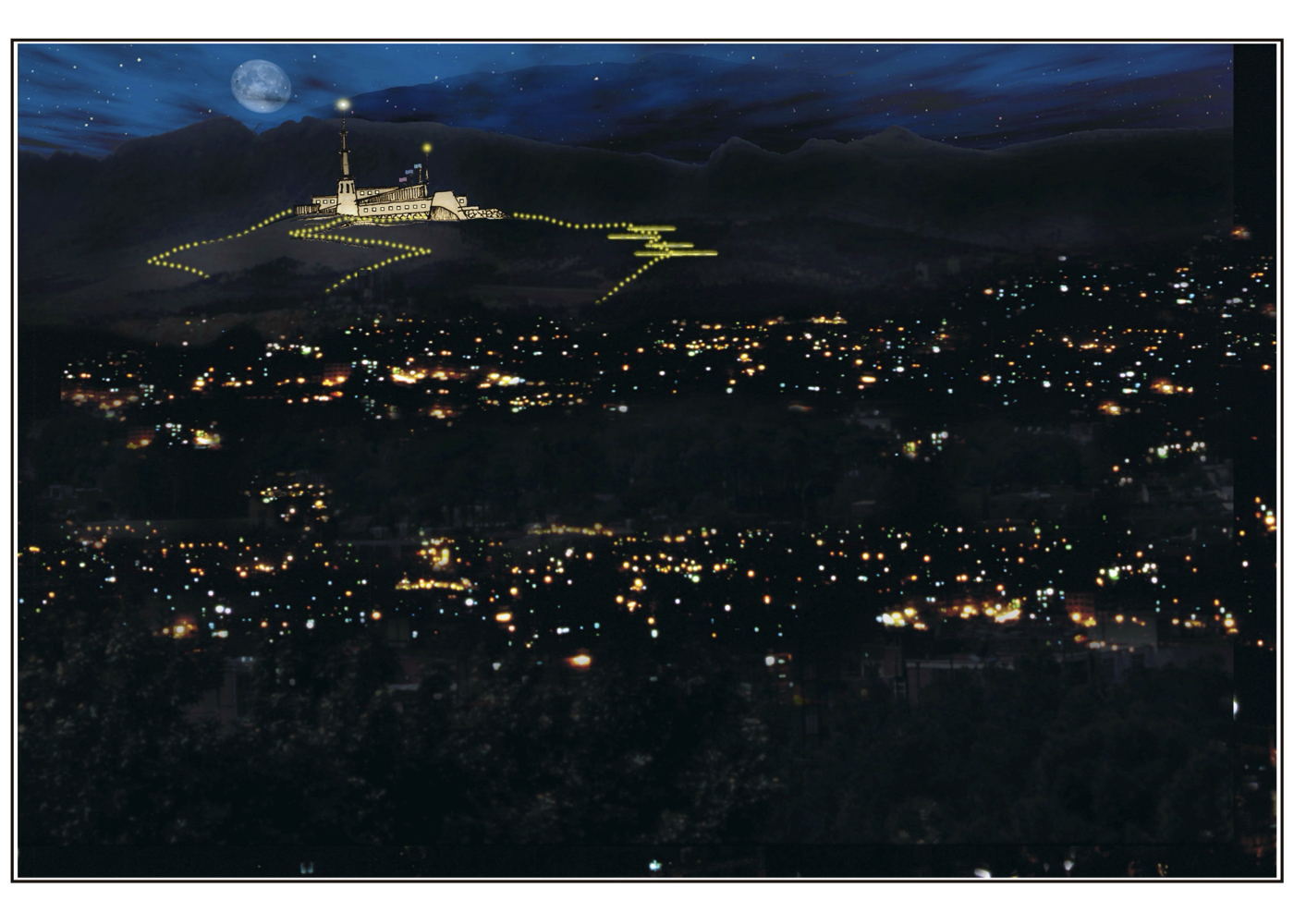
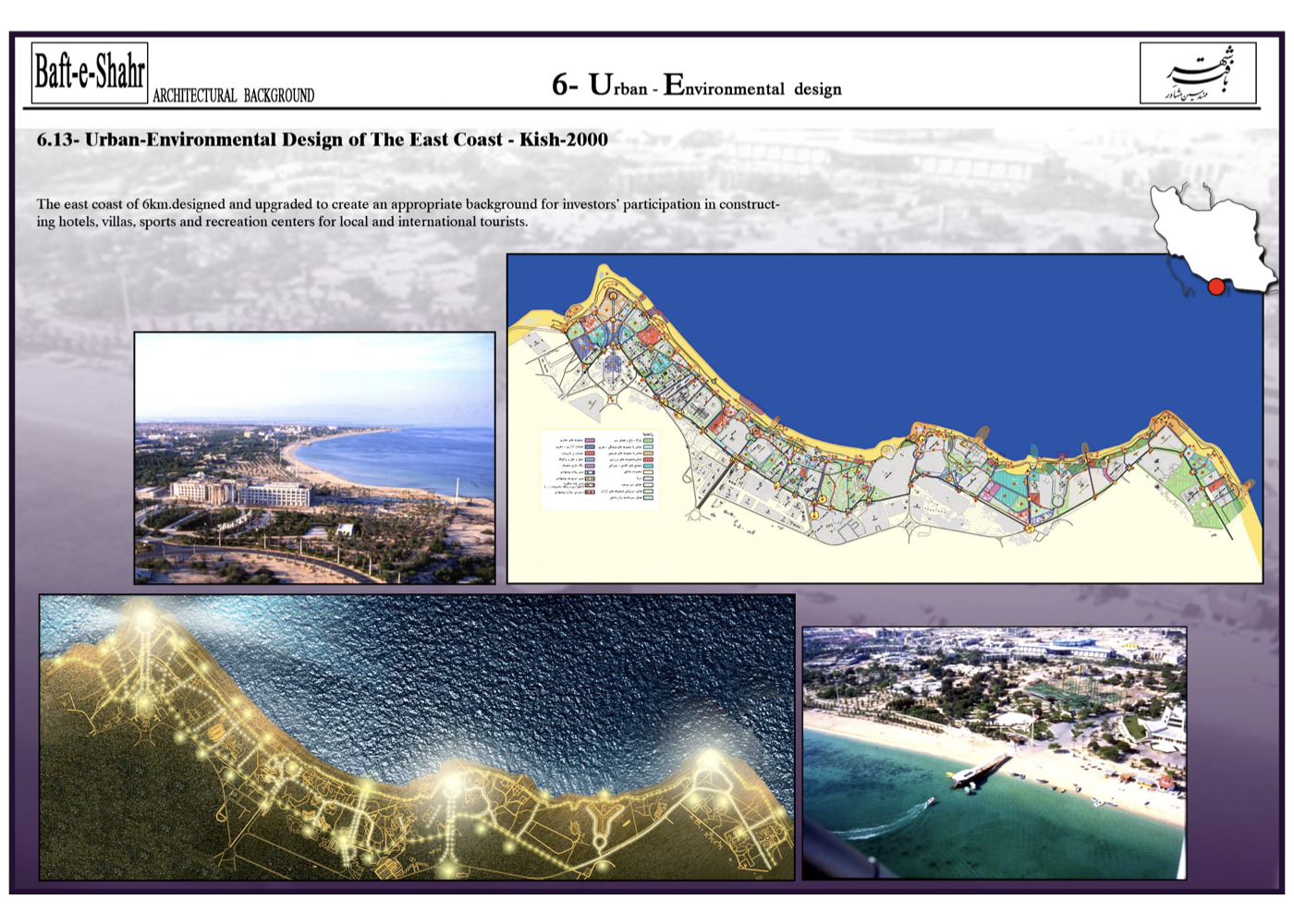
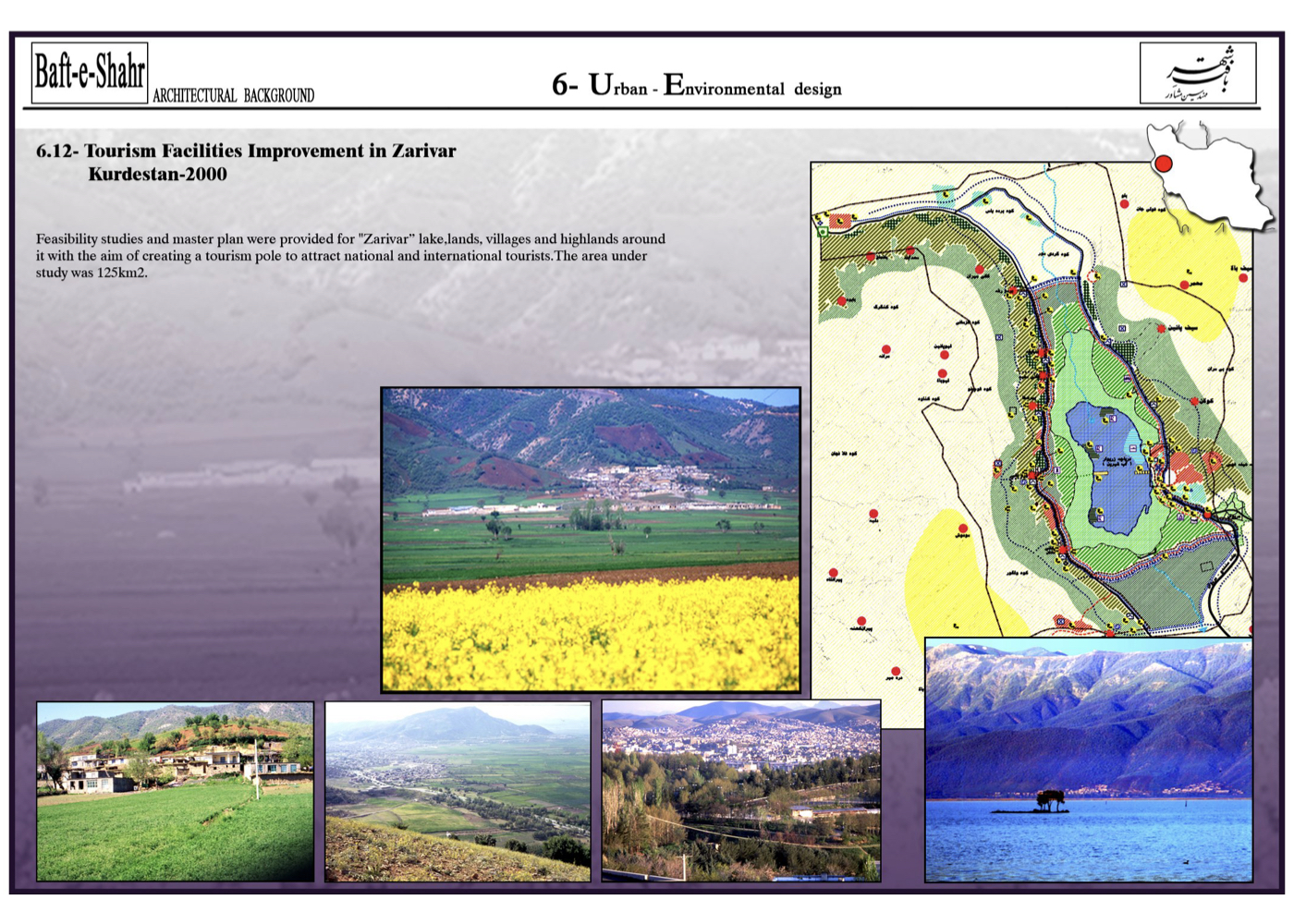
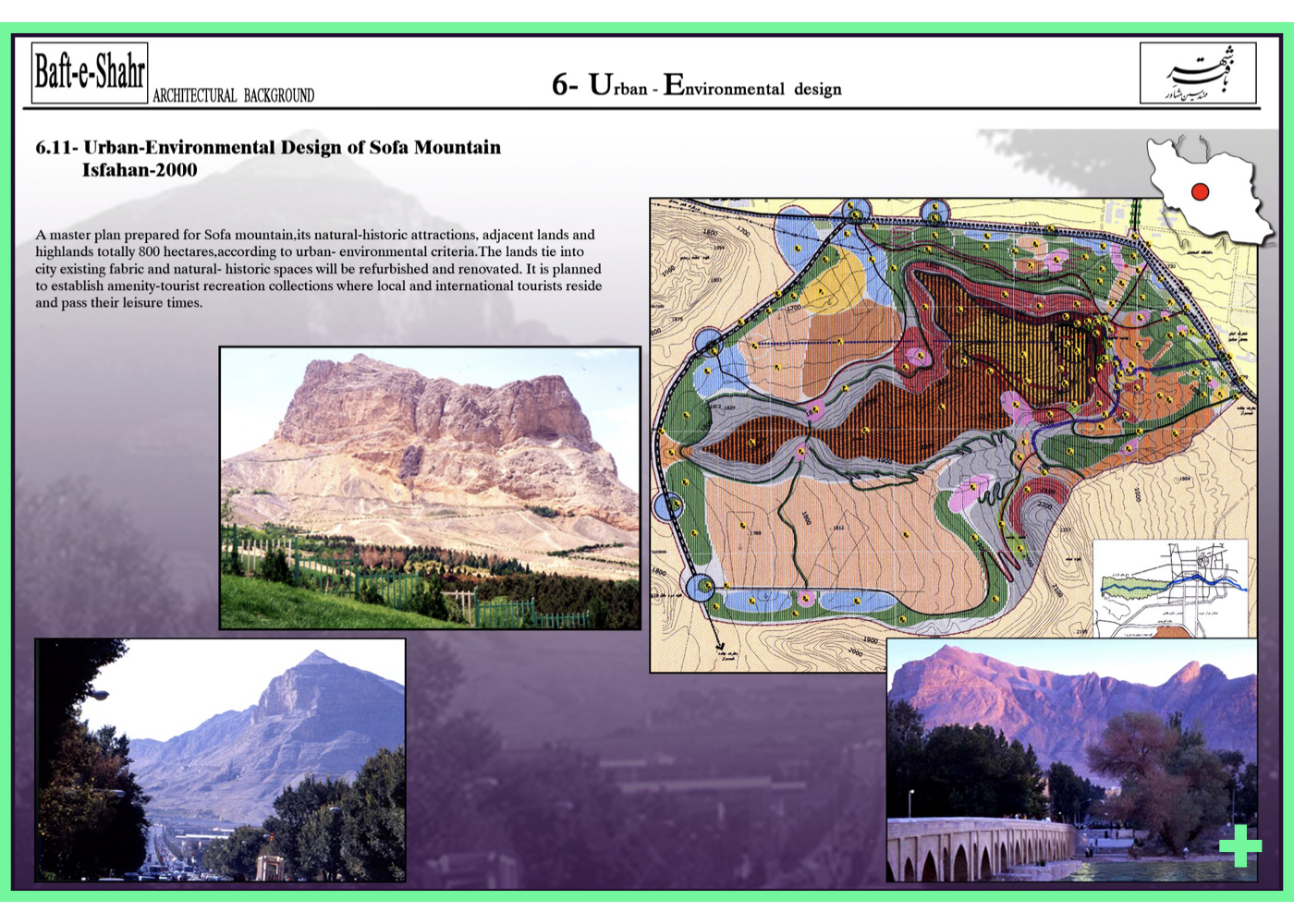
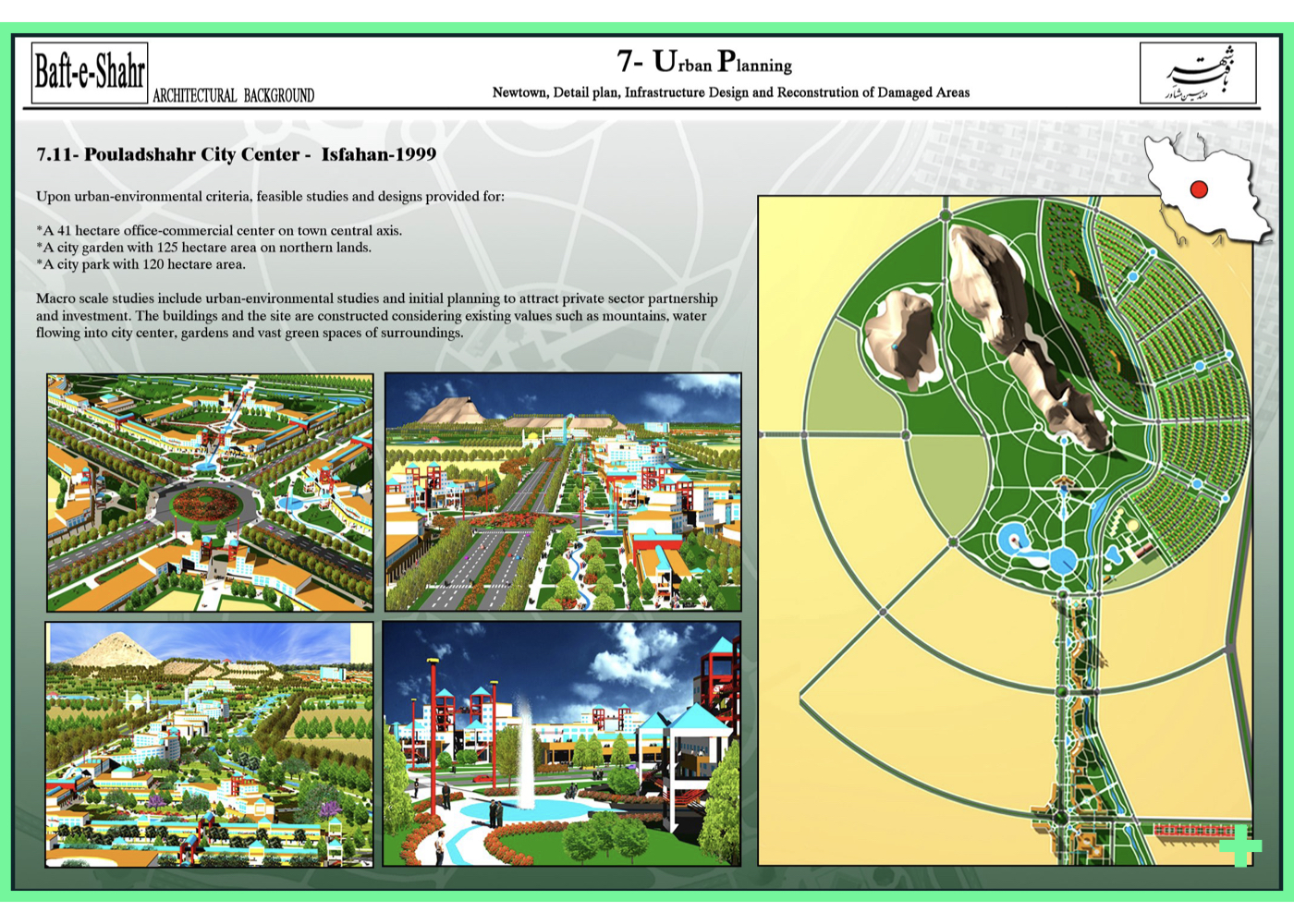
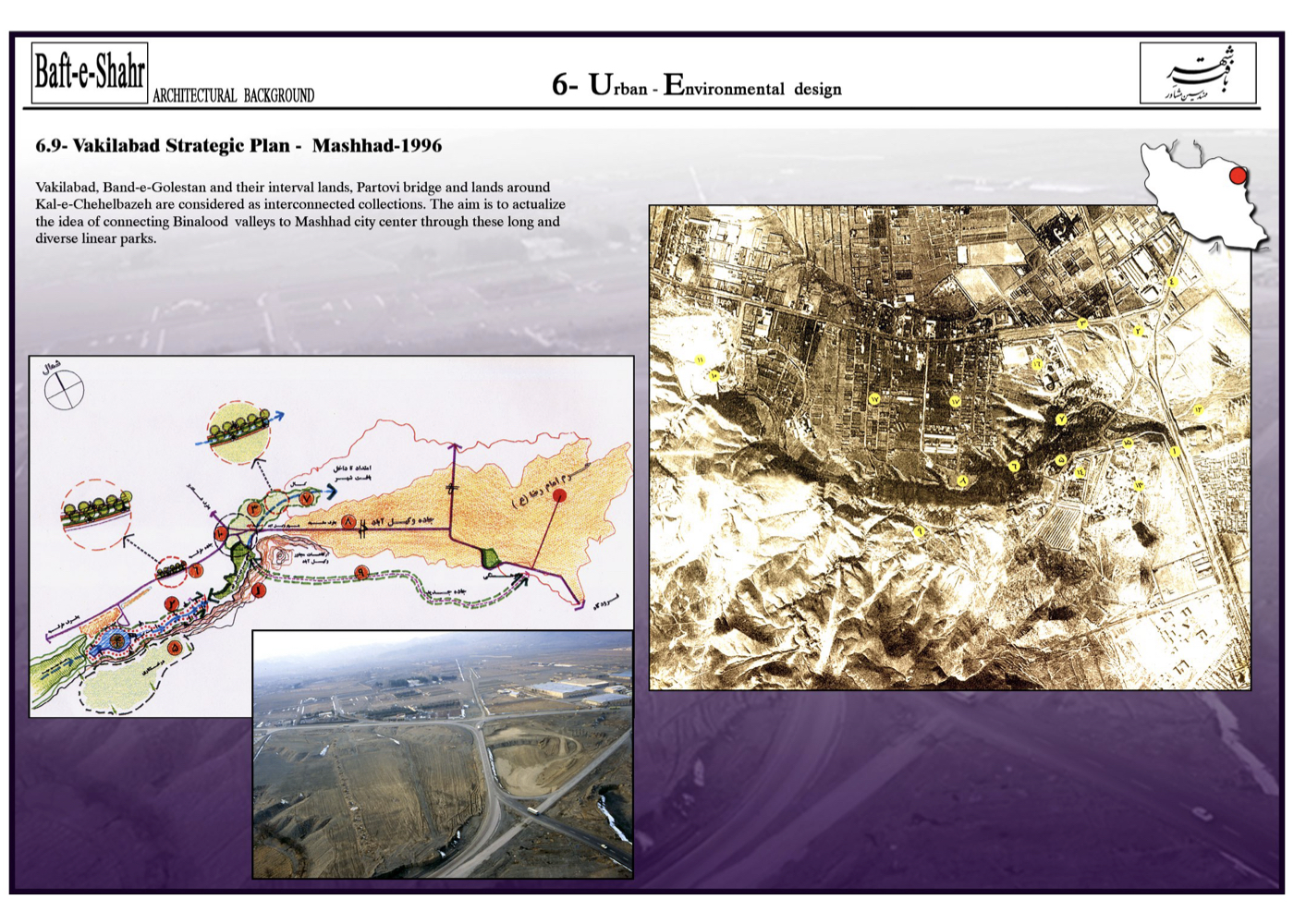
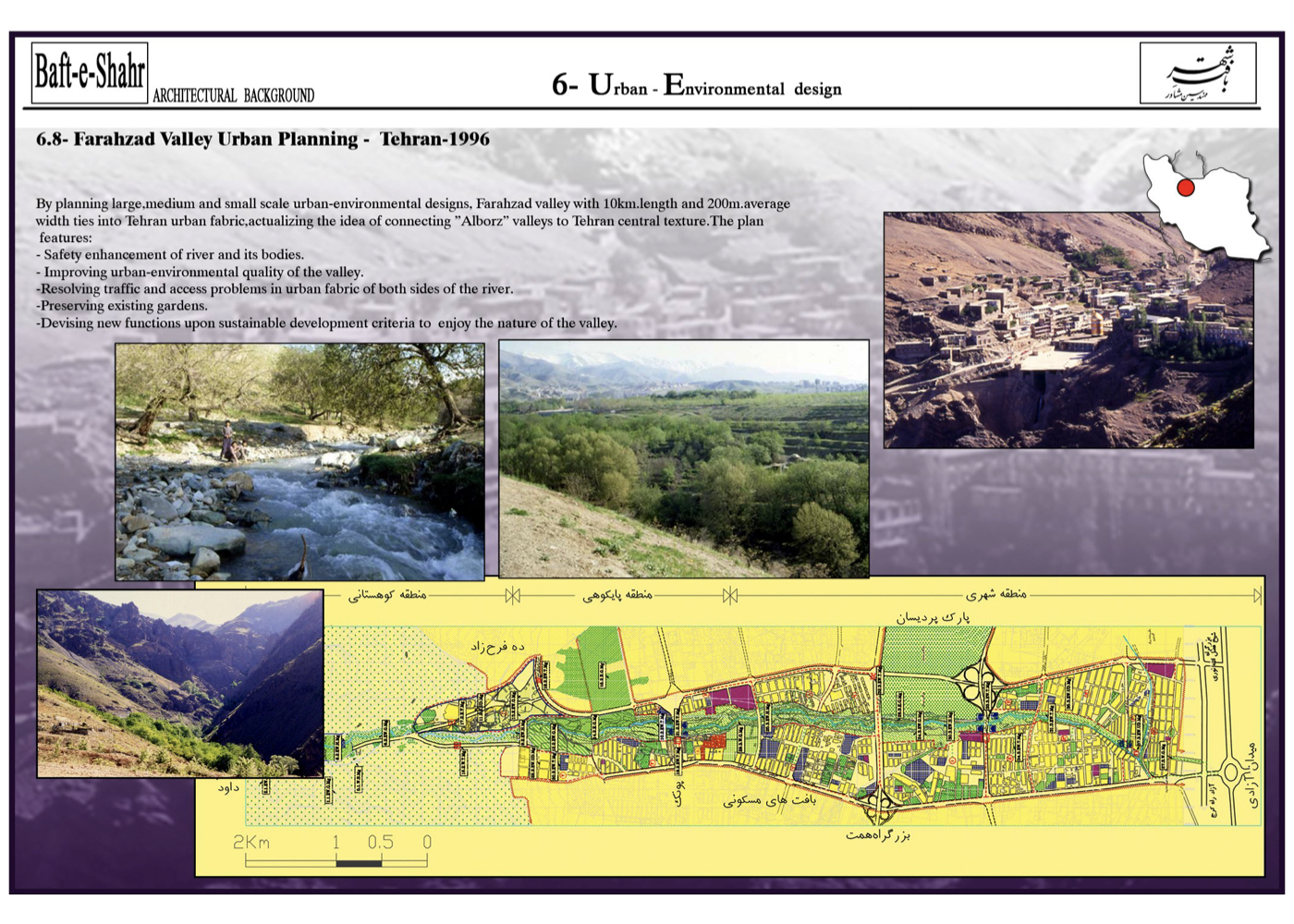
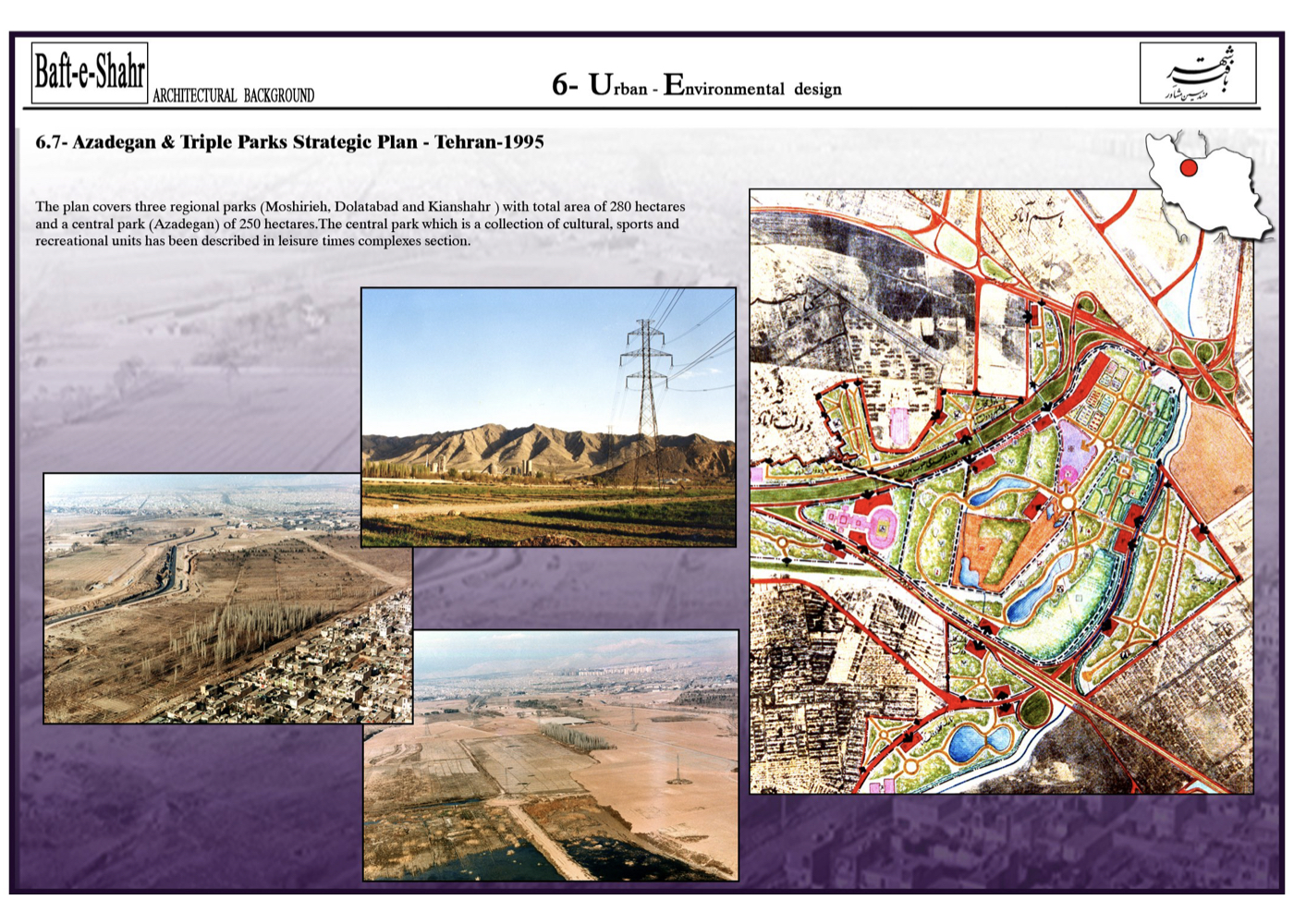
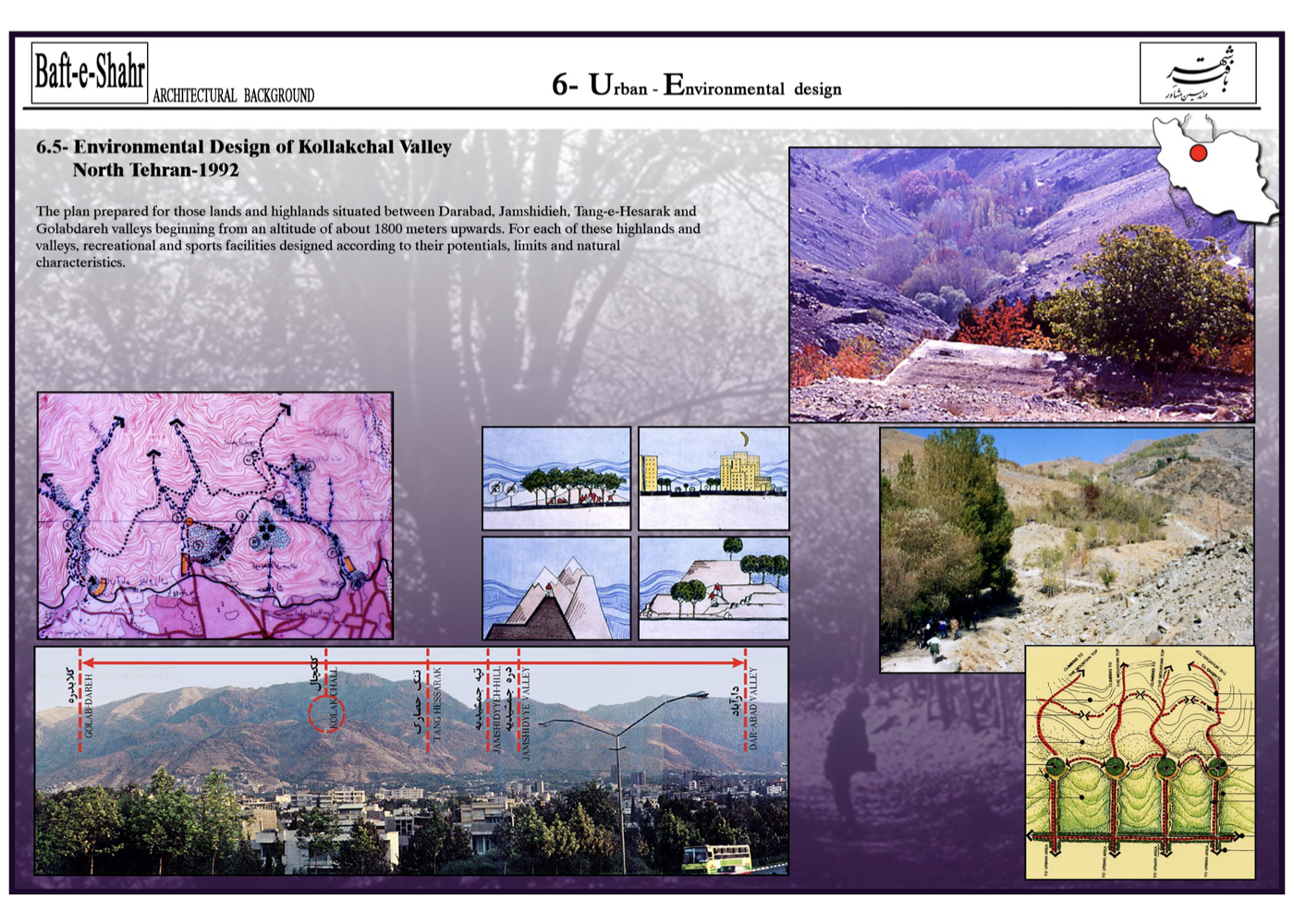
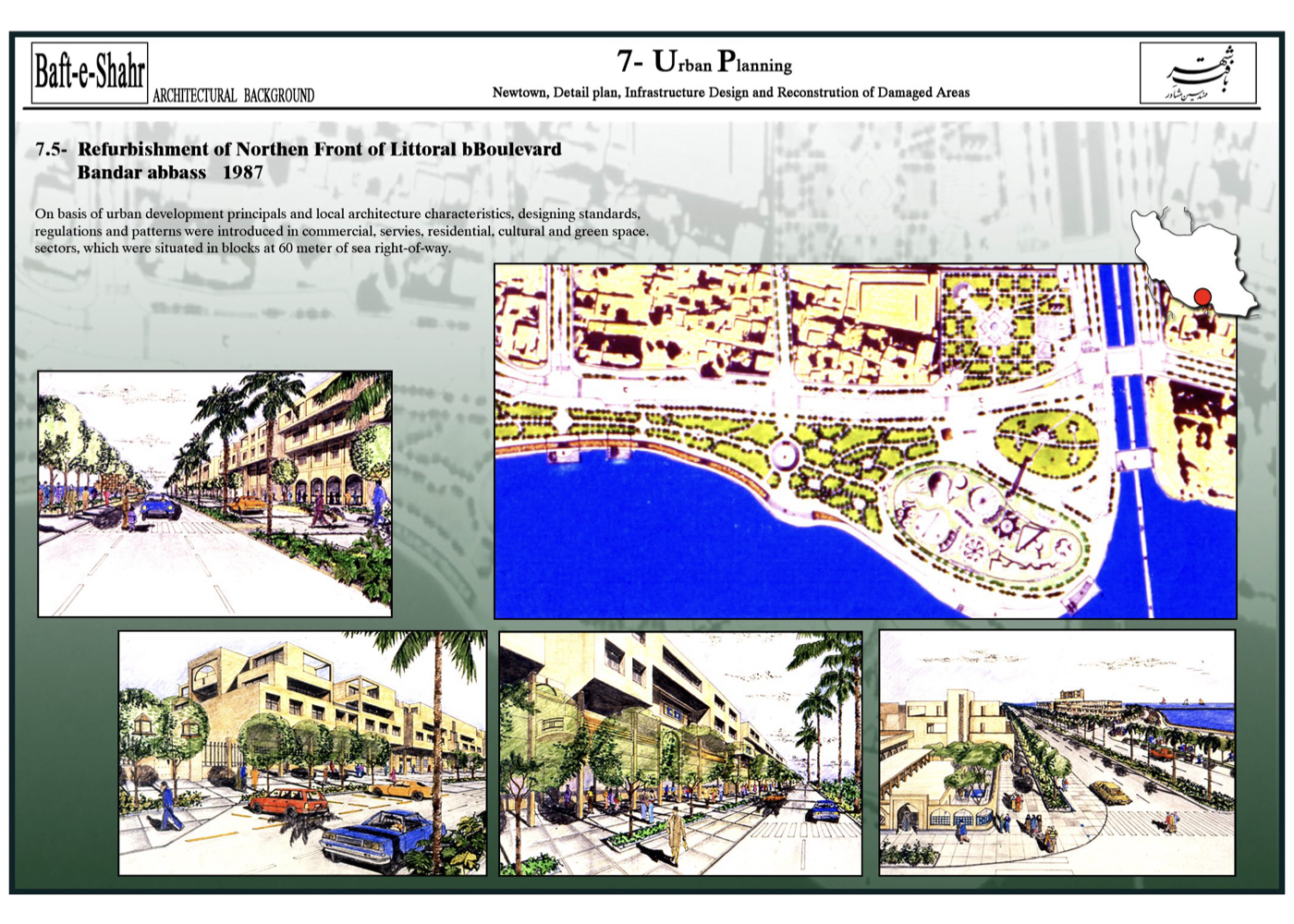
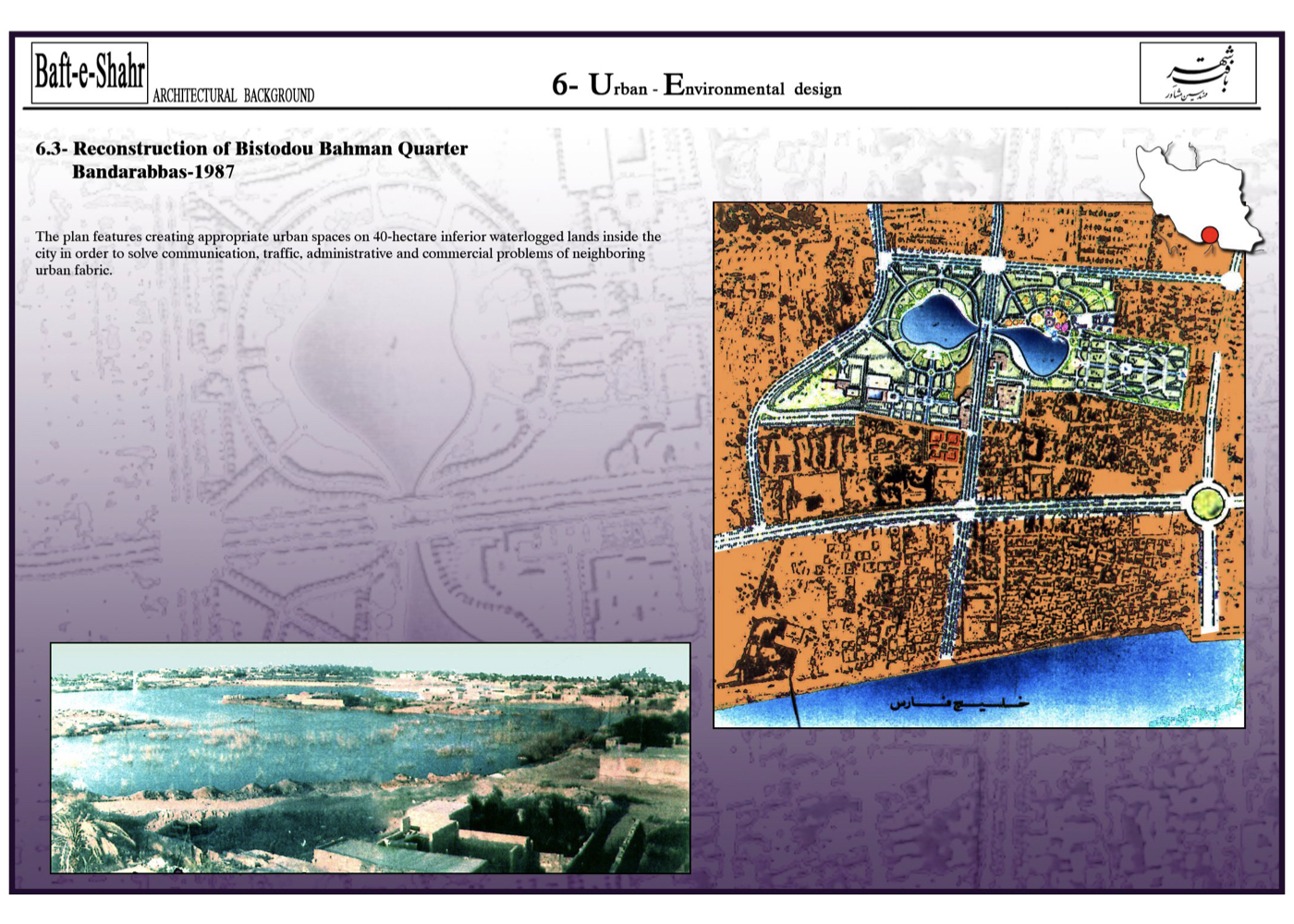
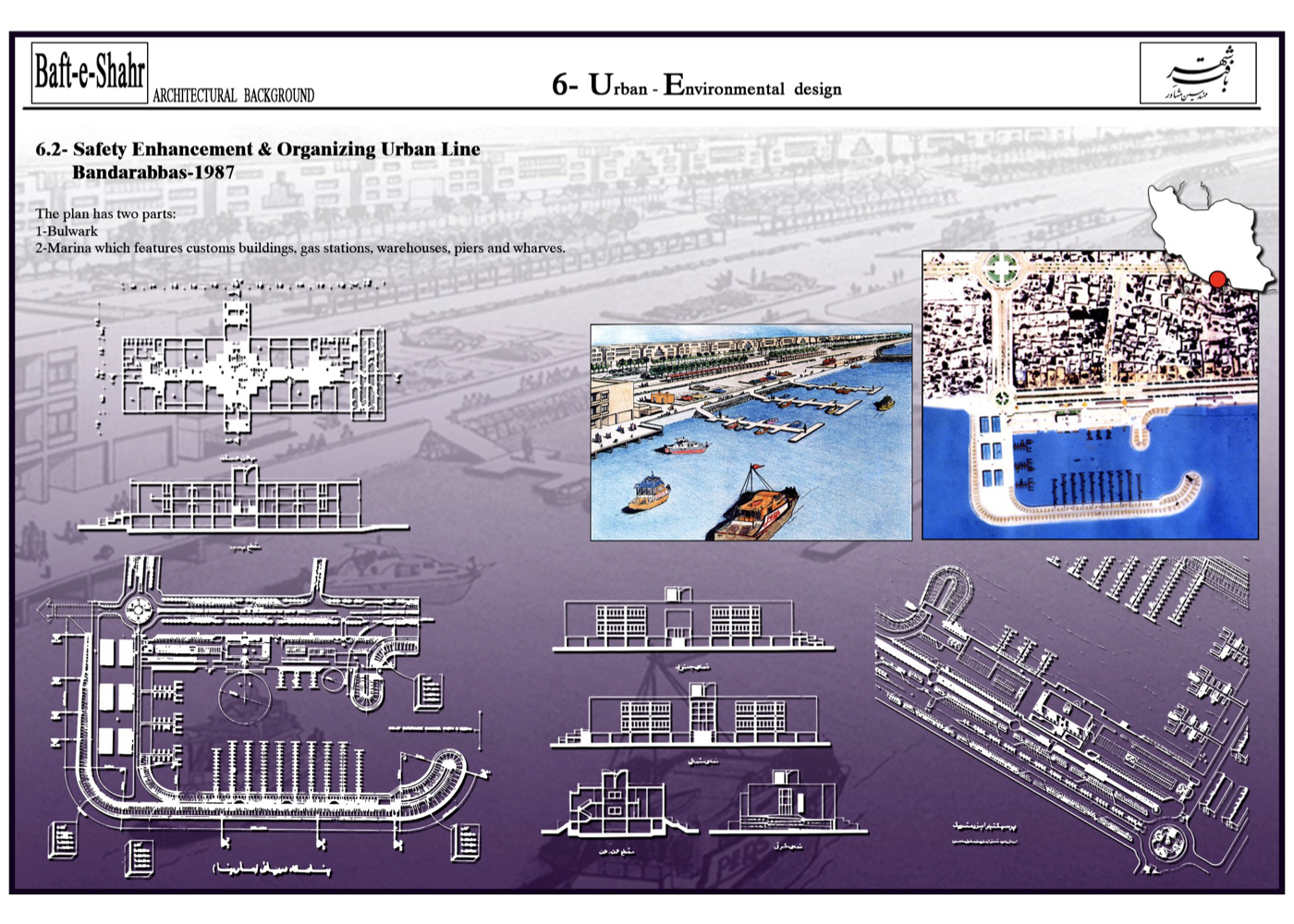
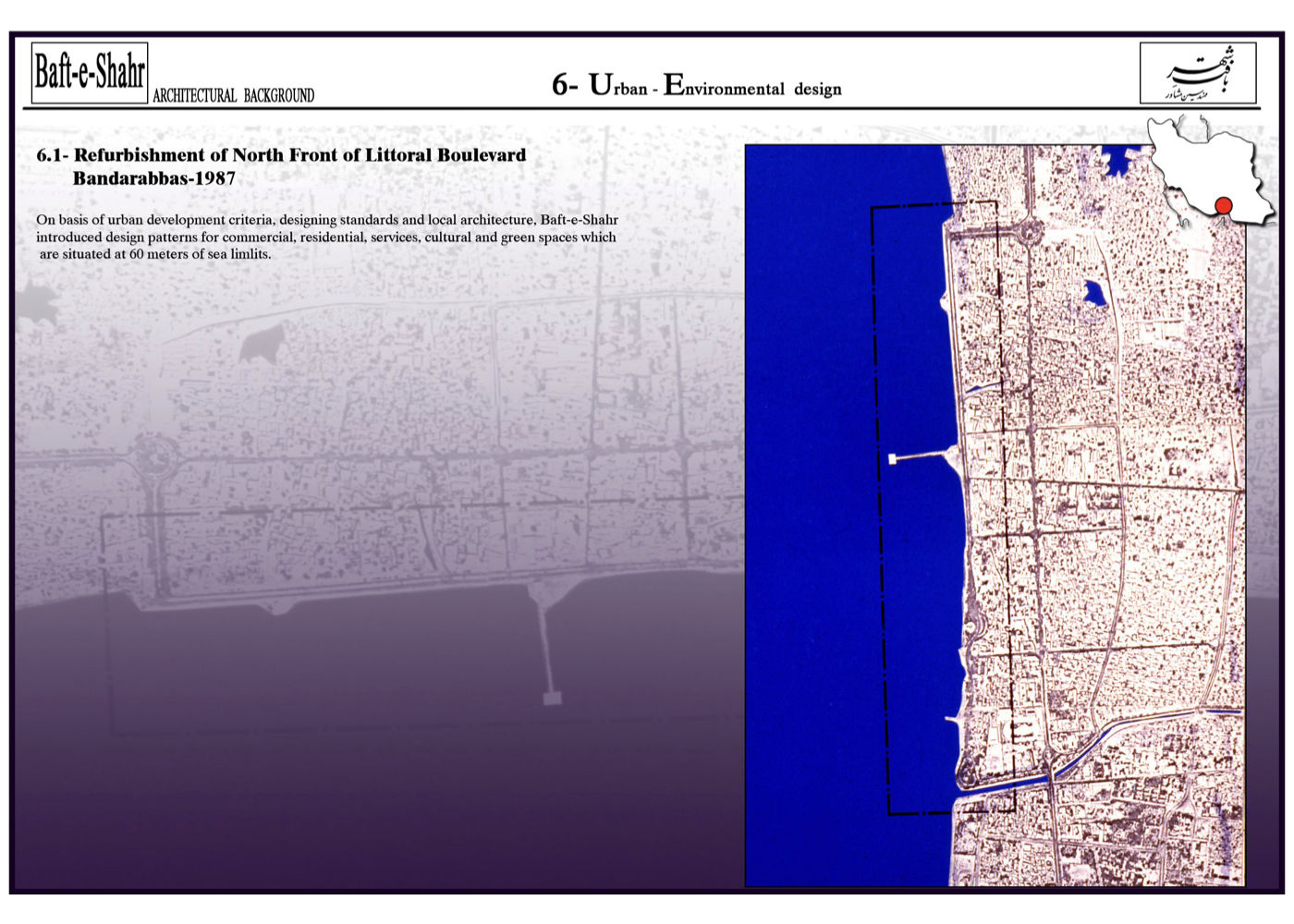
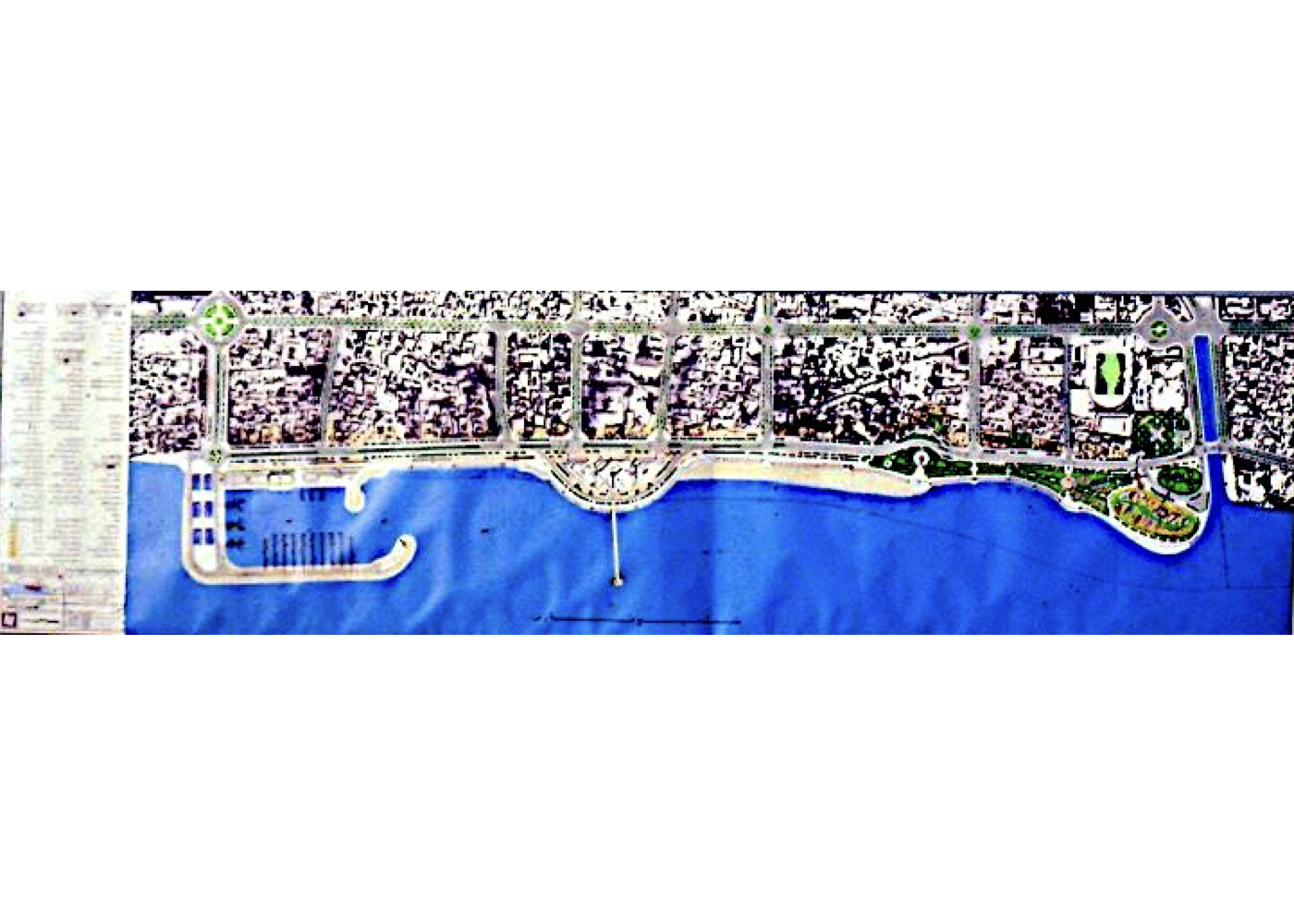
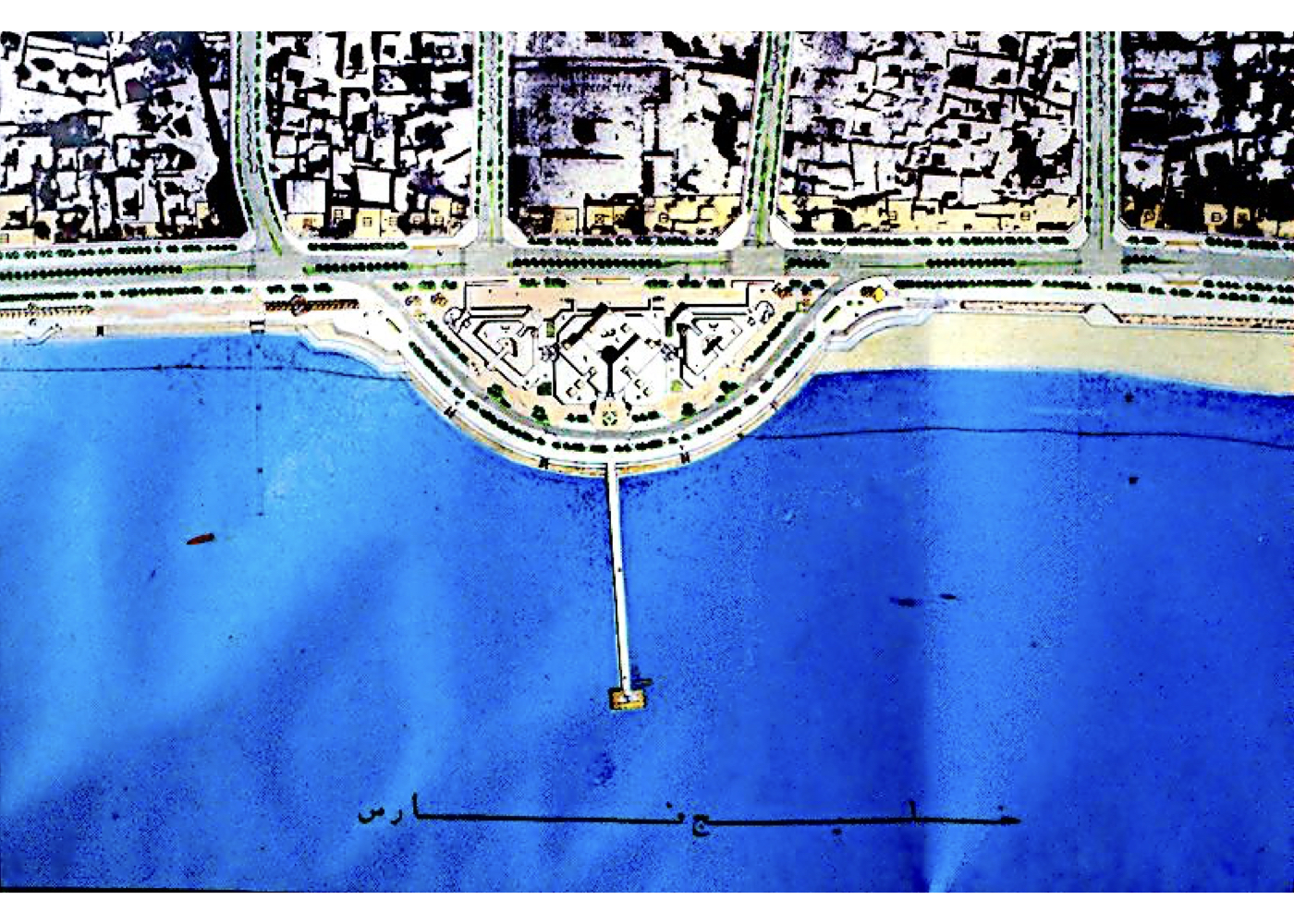
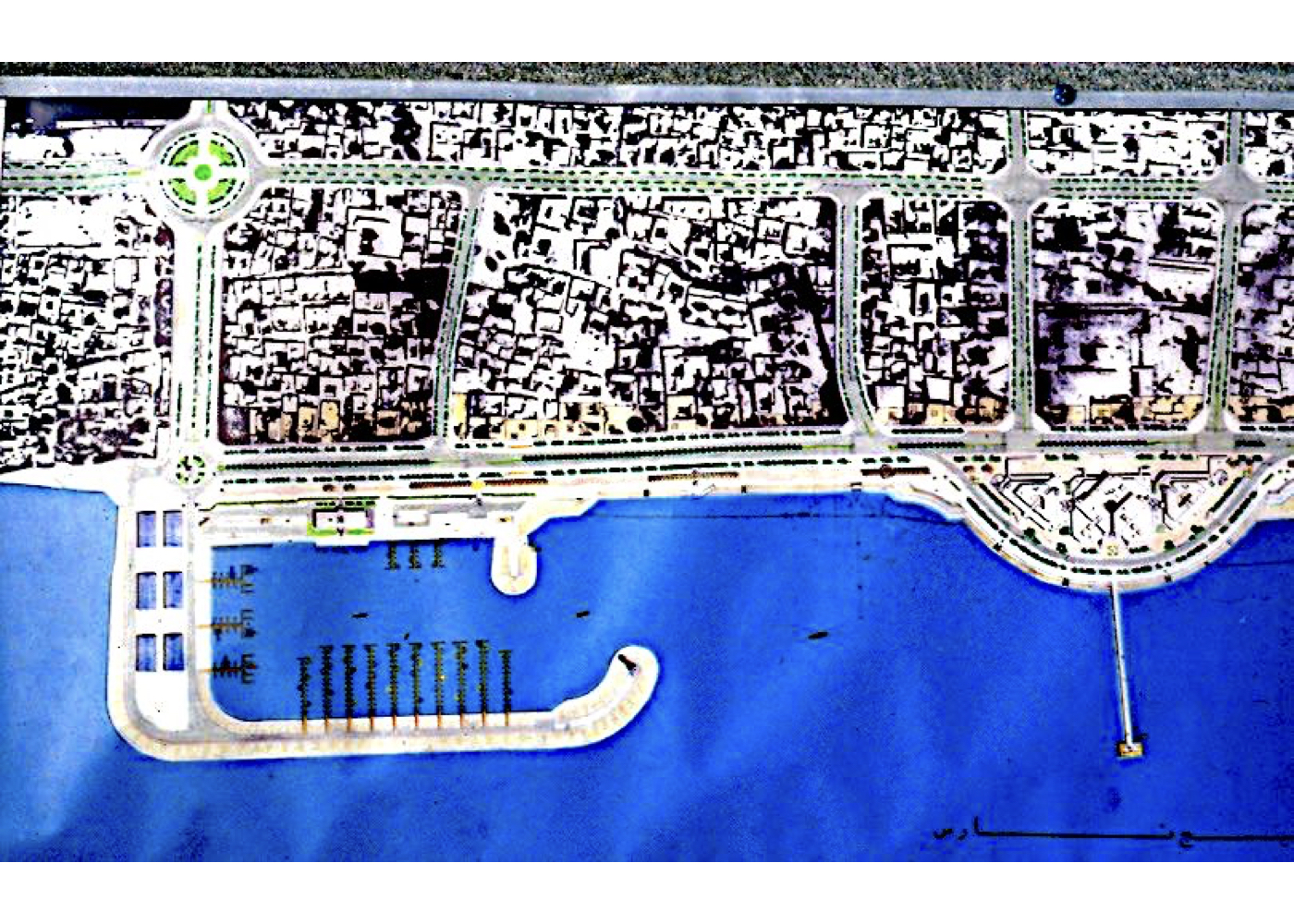
"Biological jewels — the natural assets and inherited values passed down from our ancestors — belong to all people and future generations, and must be preserved and safeguarded for them. My colleagues and I, through various projects, have found that active conservation of these jewels, combined with providing opportunities for wise and sustainable use by the public — especially the younger generation — motivates people to care for these ecological treasures and plays an effective role in the long-term sustainability of these resources. To achieve this, it is essential that for any project or plan concerning these biological jewels, regardless of its purpose, a comprehensive set of environmental studies, landscape and environmental design assessments, and application of relevant expert knowledge be conducted first — before any practical action is taken. The framework, conditions, regulations, and necessary do’s and don’ts should be defined by these fields of knowledge. Then, within that clearly defined framework, urban development projects (in areas such as urban planning and design) can be initiated — ensuring that natural values are preserved while allowing the public to benefit from them in a wise and sustainable manner that aligns with the ecological capacity and long-term urban development. I refer to this method of organizing and planning for biological jewels and the urban structure as Urban–Environmental Design.”