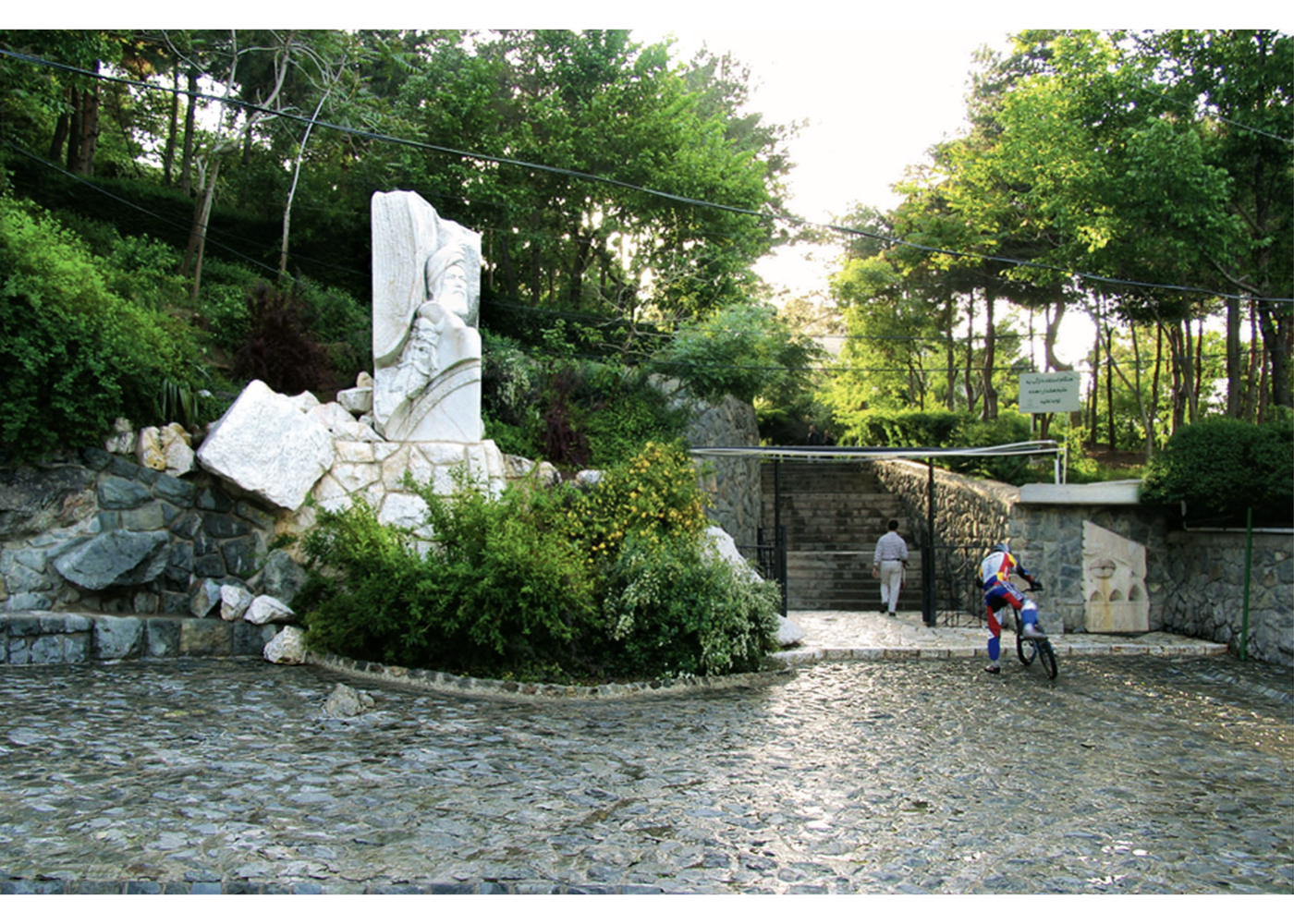
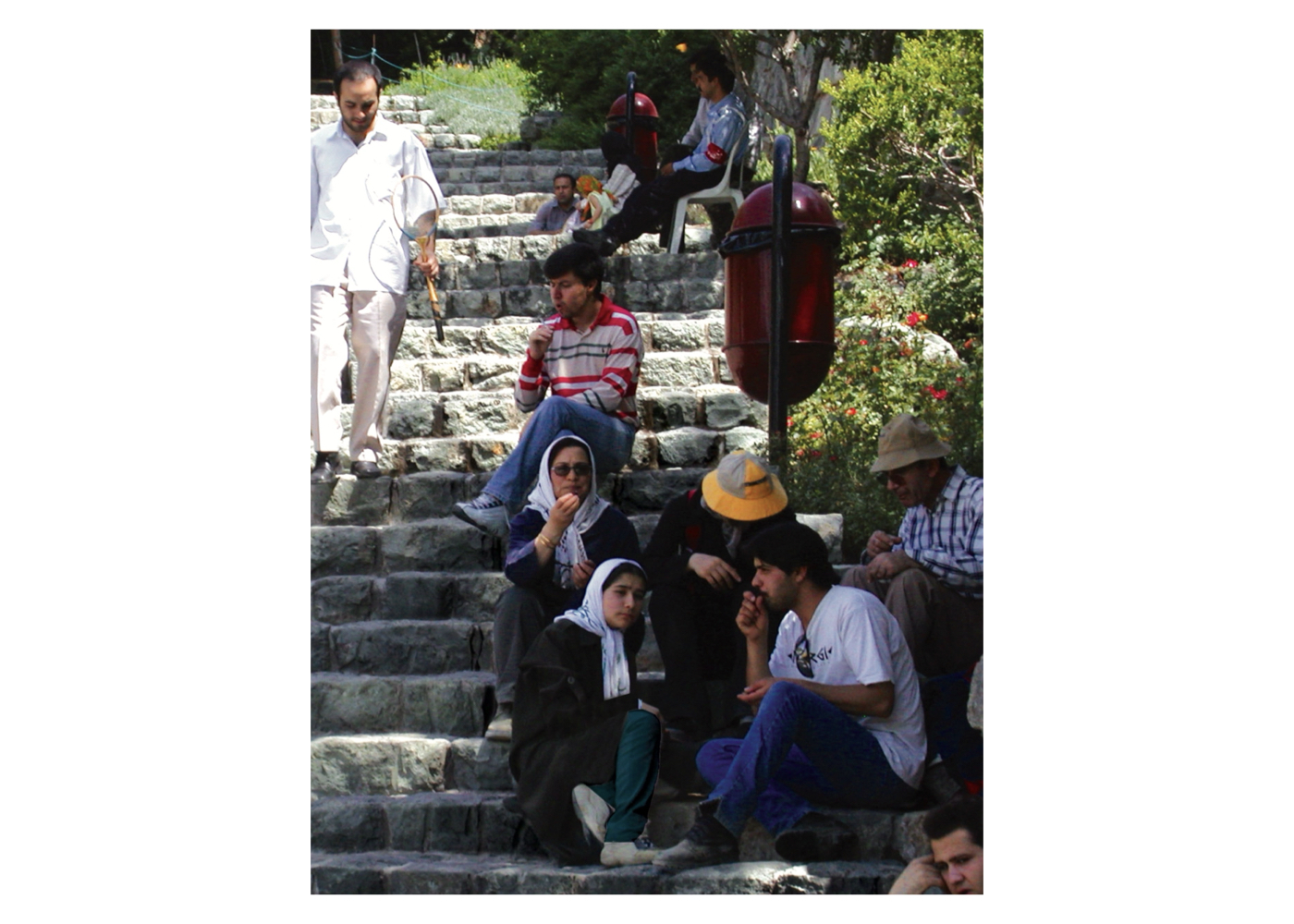
I requested the then-mayor to name this garden in honor of Ferdowsi, as Ferdowsi — through his unparalleled masterpiece, the Shahnameh — had a profound impact on the preservation of the Persian language and Iranian culture. This garden also places special emphasis on the solidarity of Iranian ethnic groups.
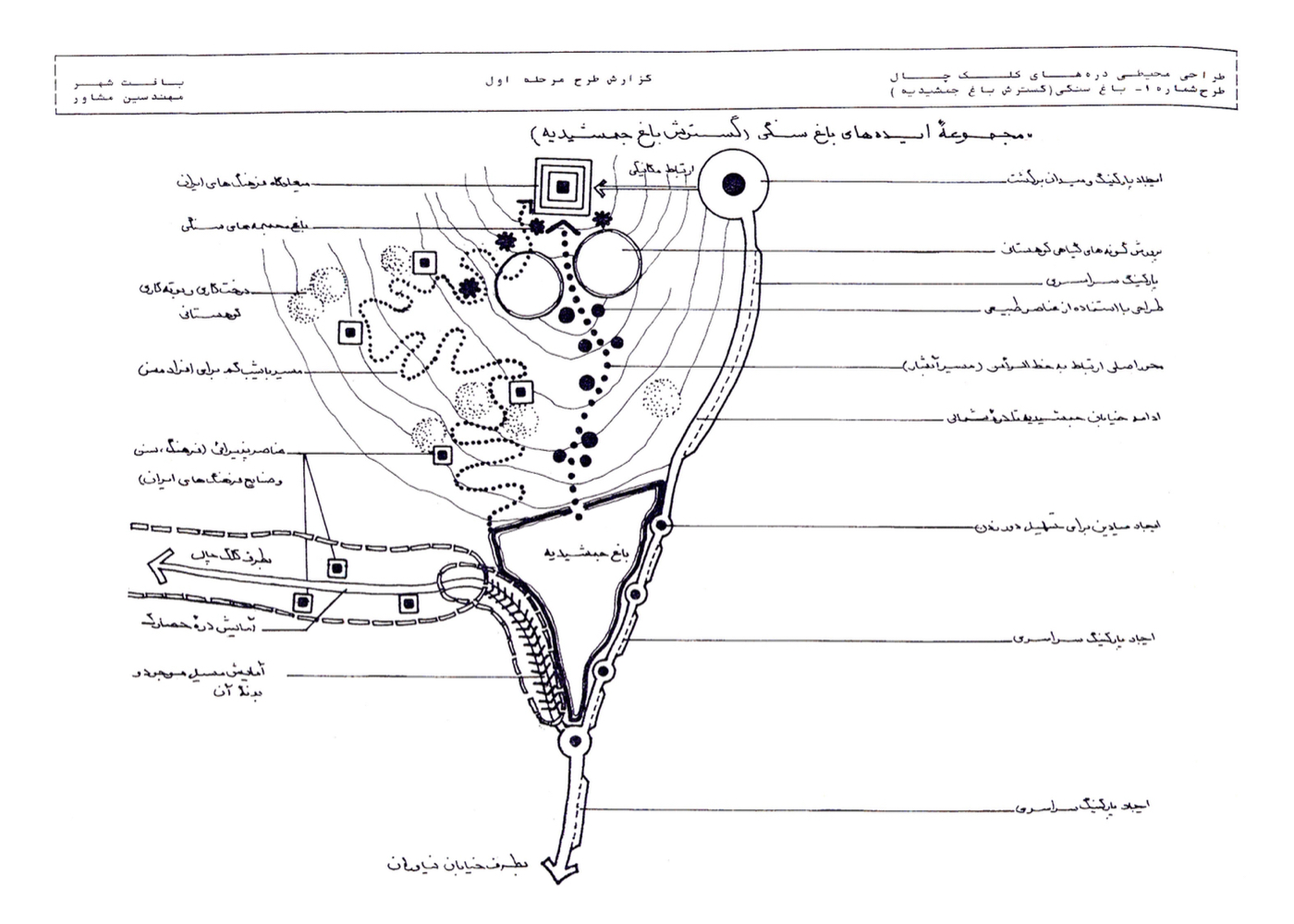
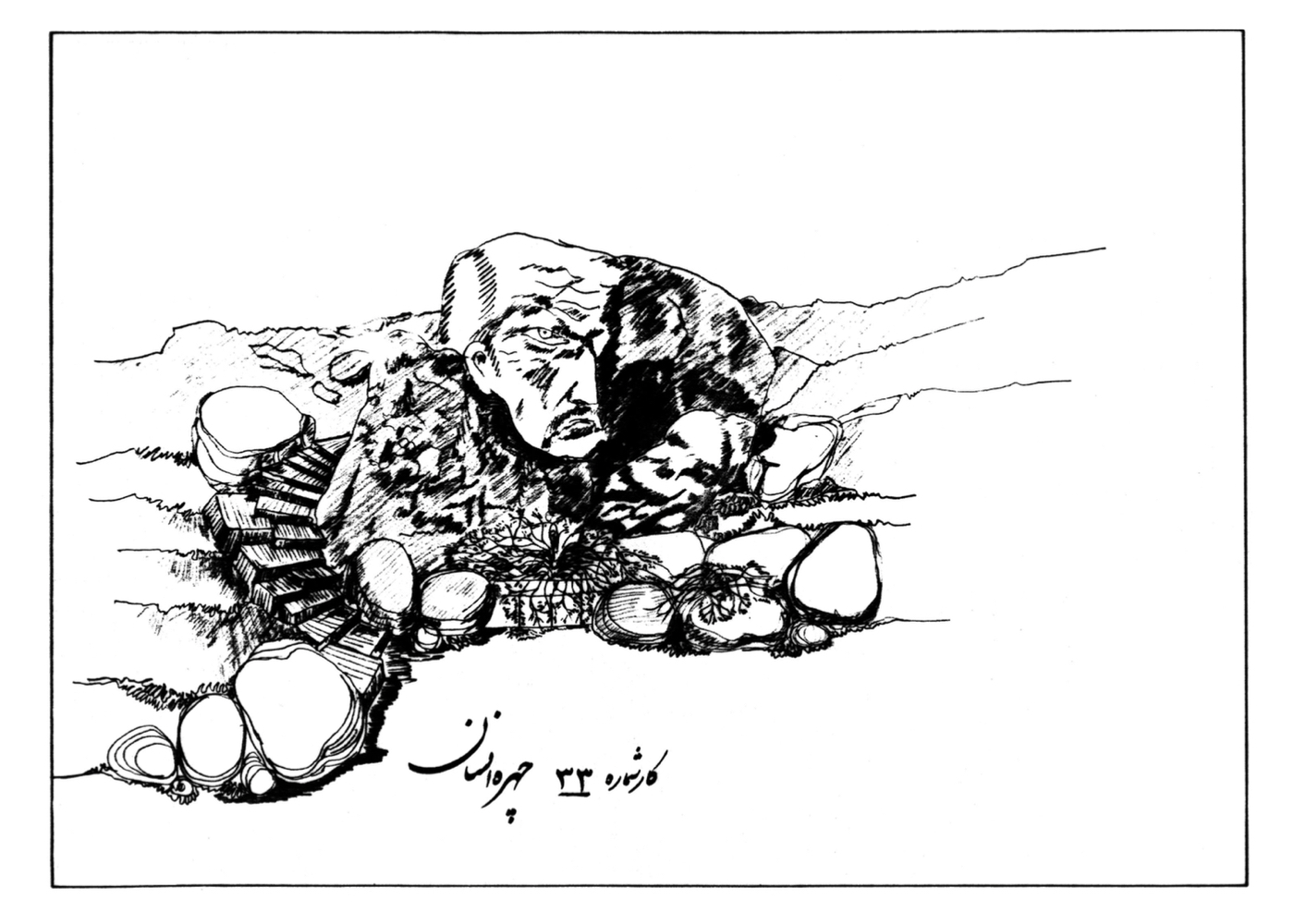
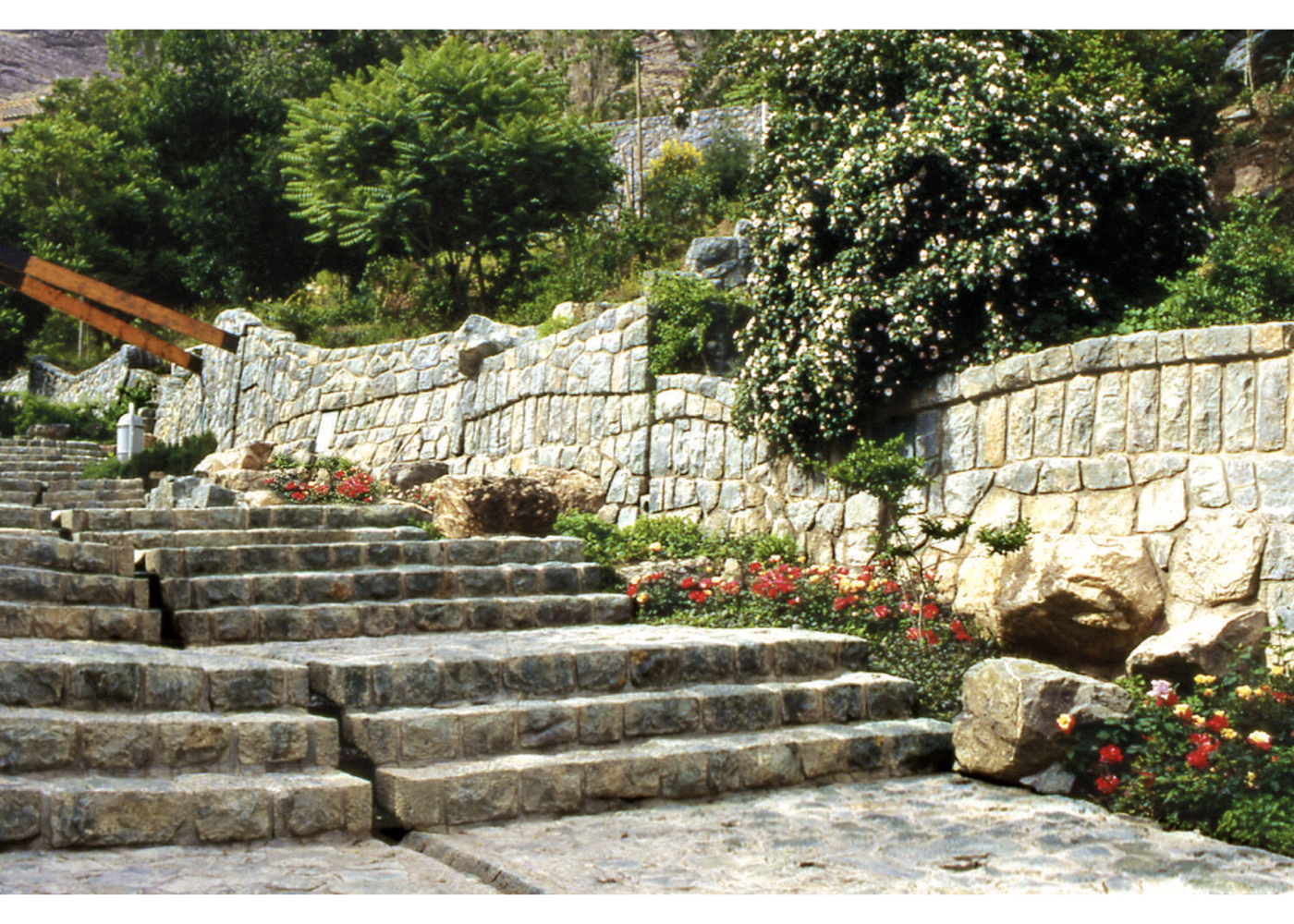
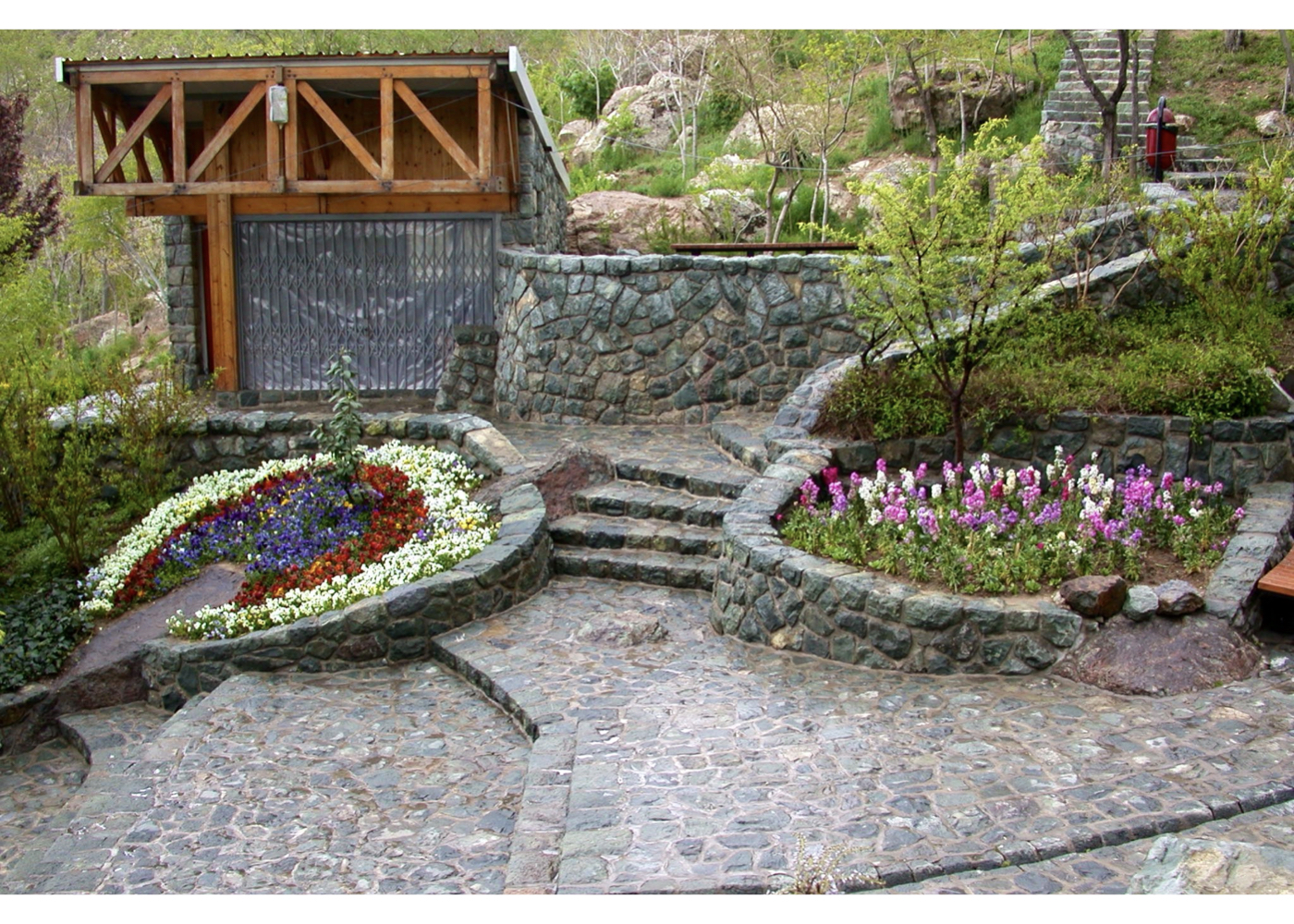
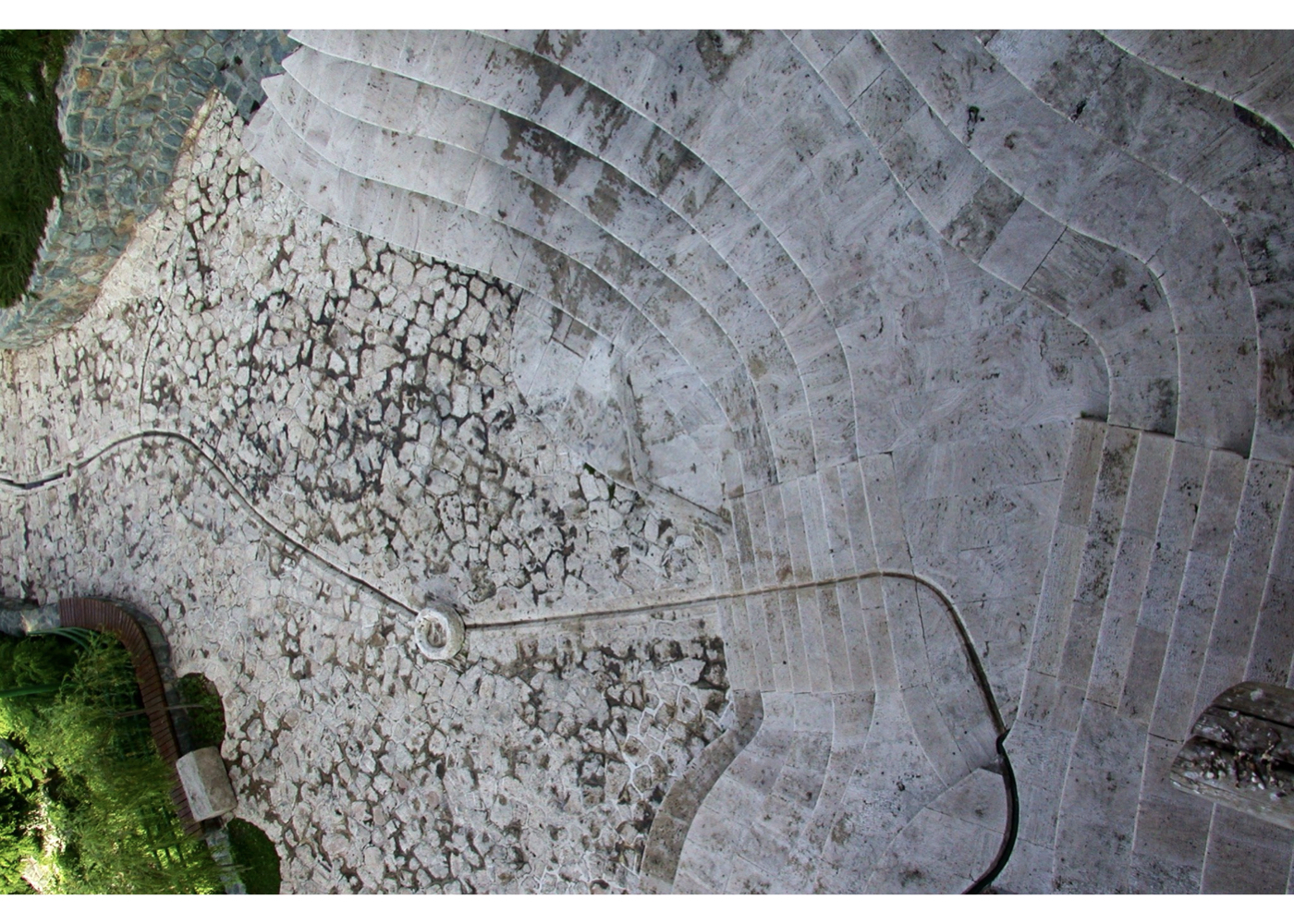
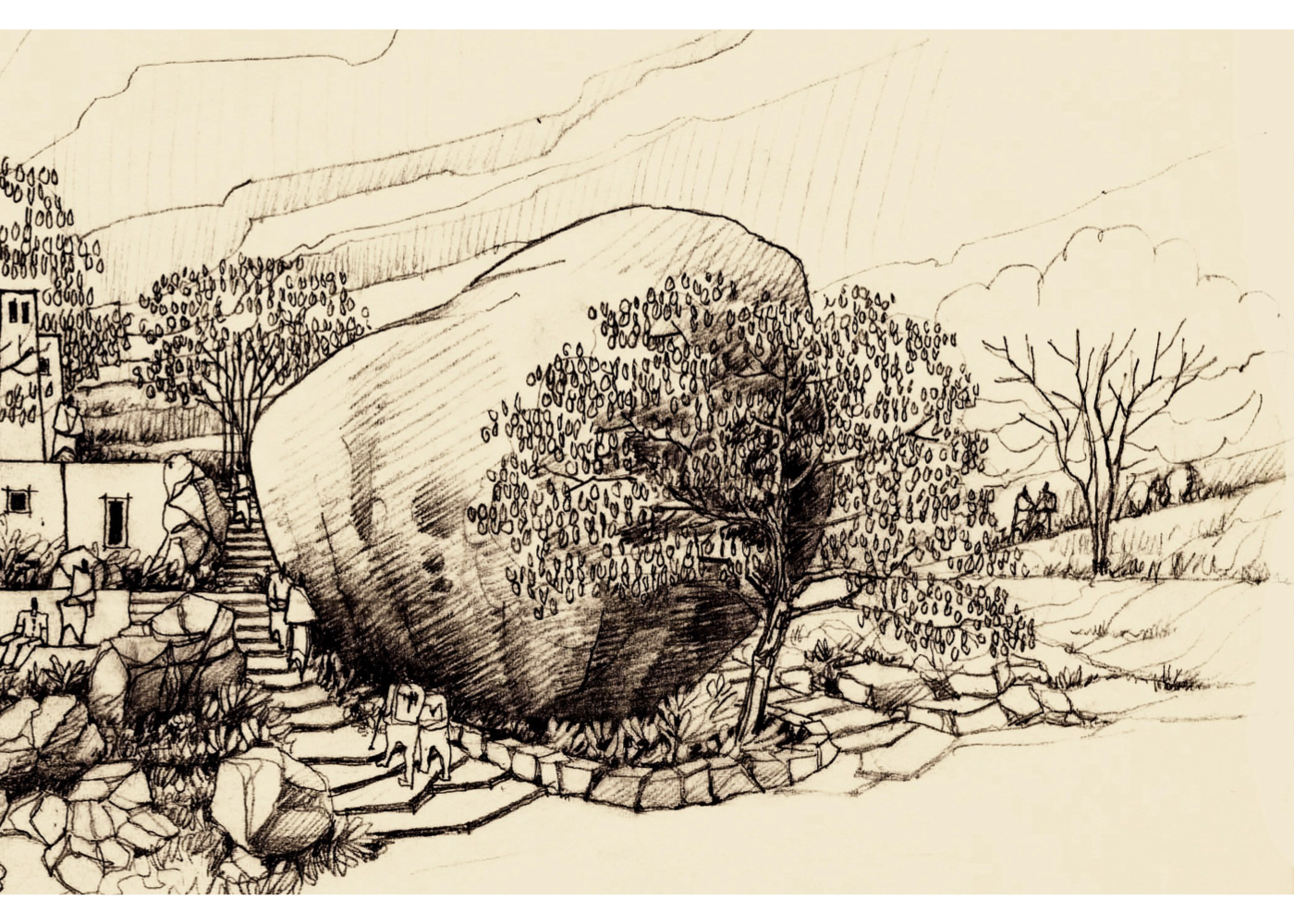
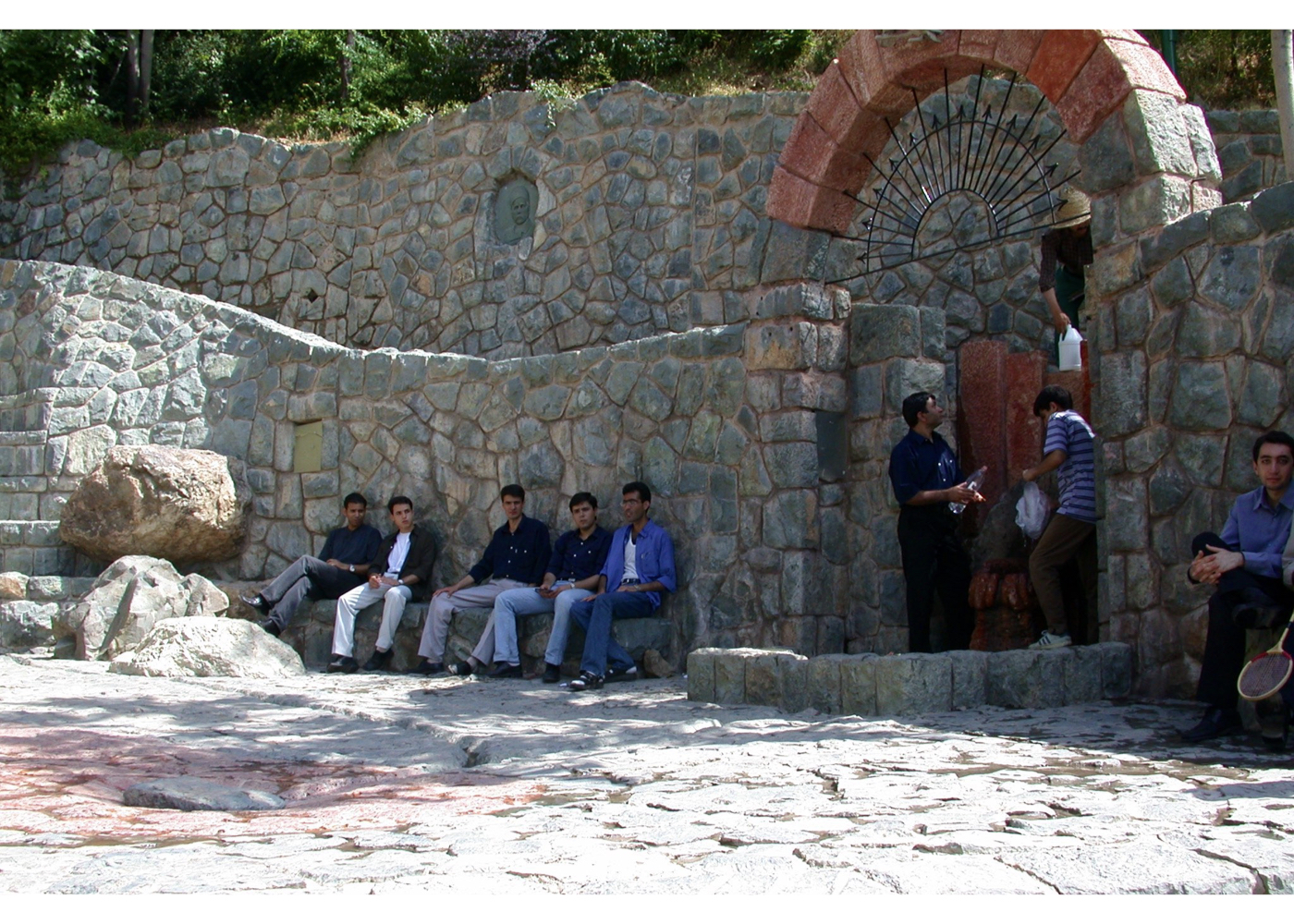
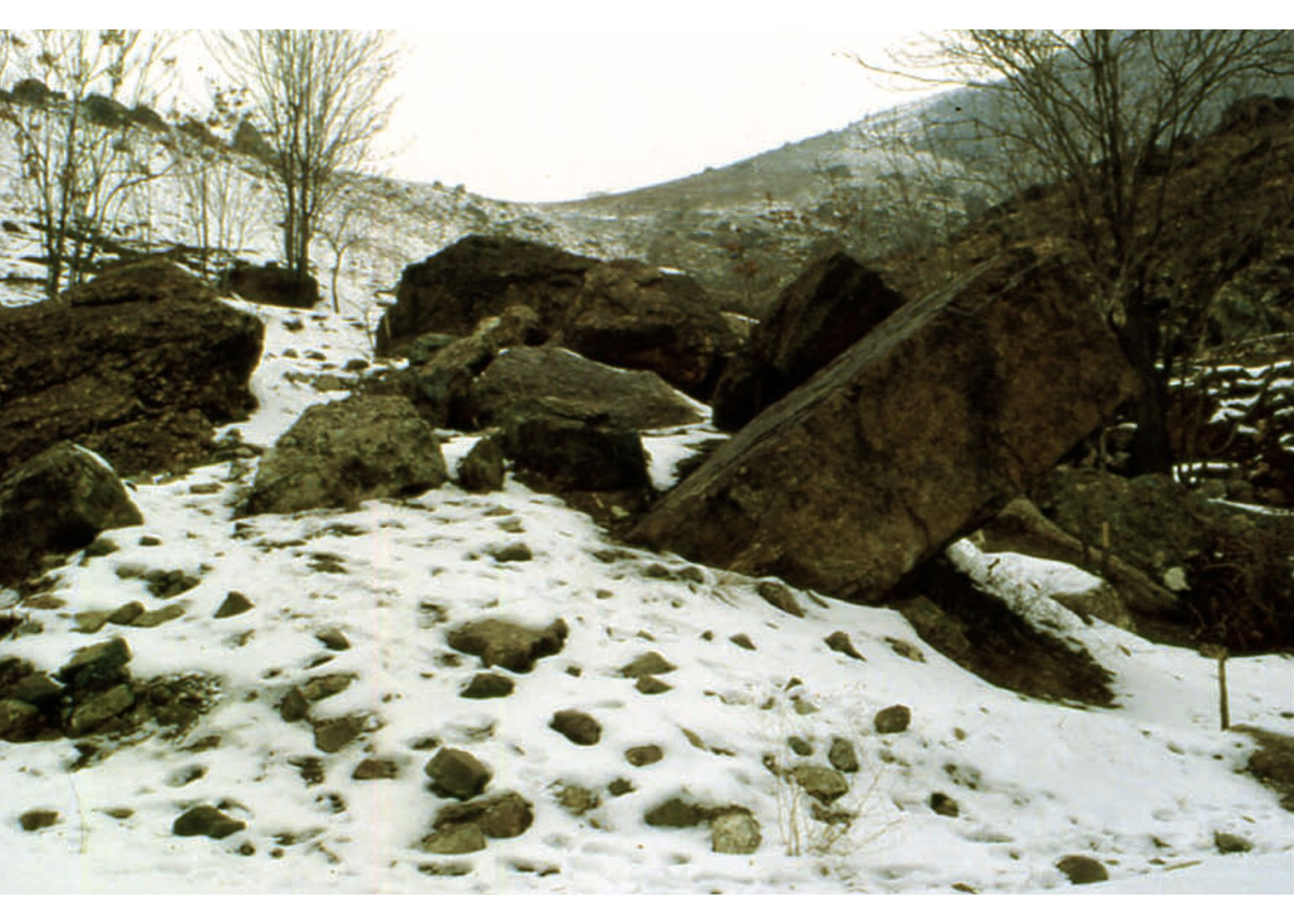
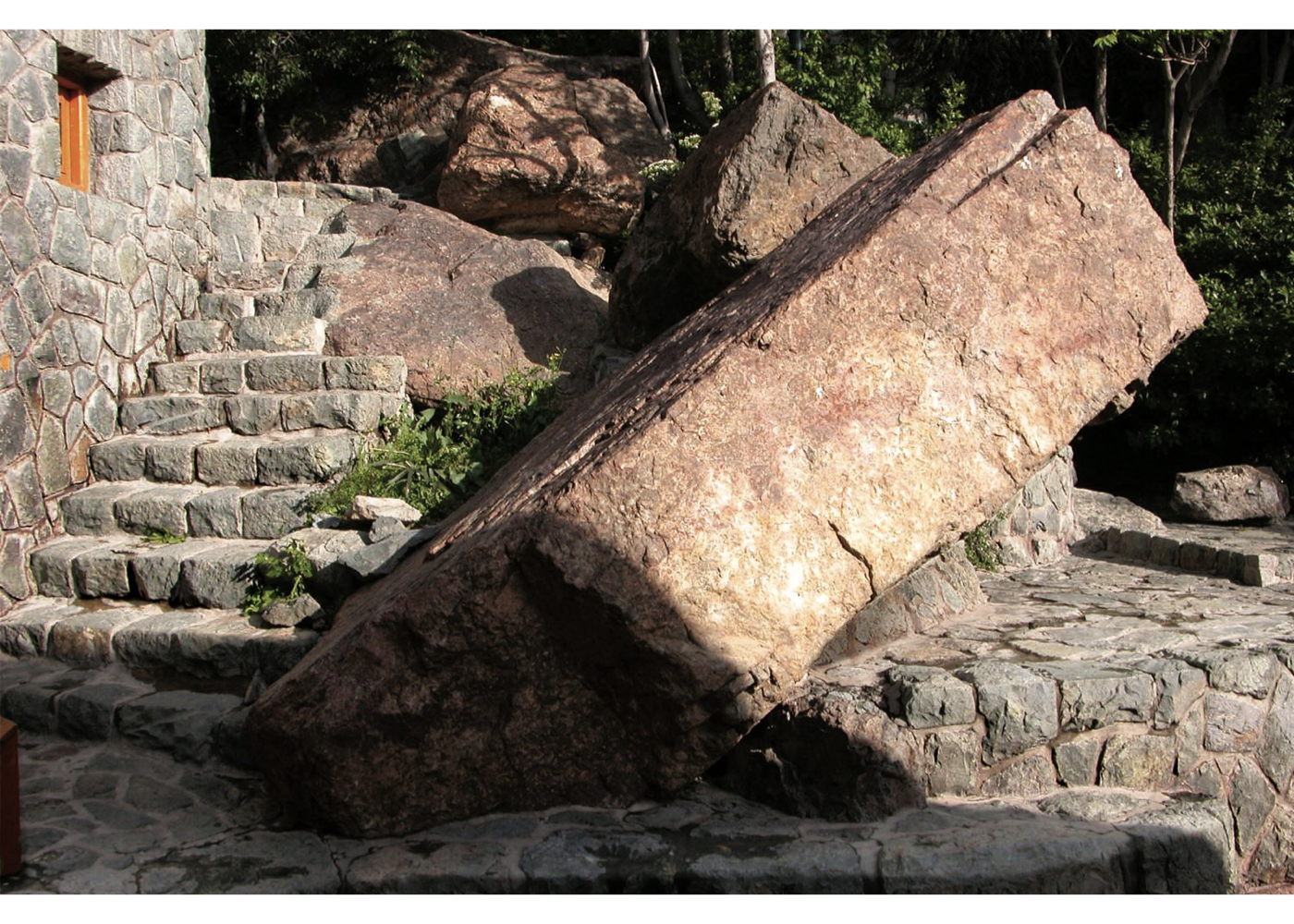
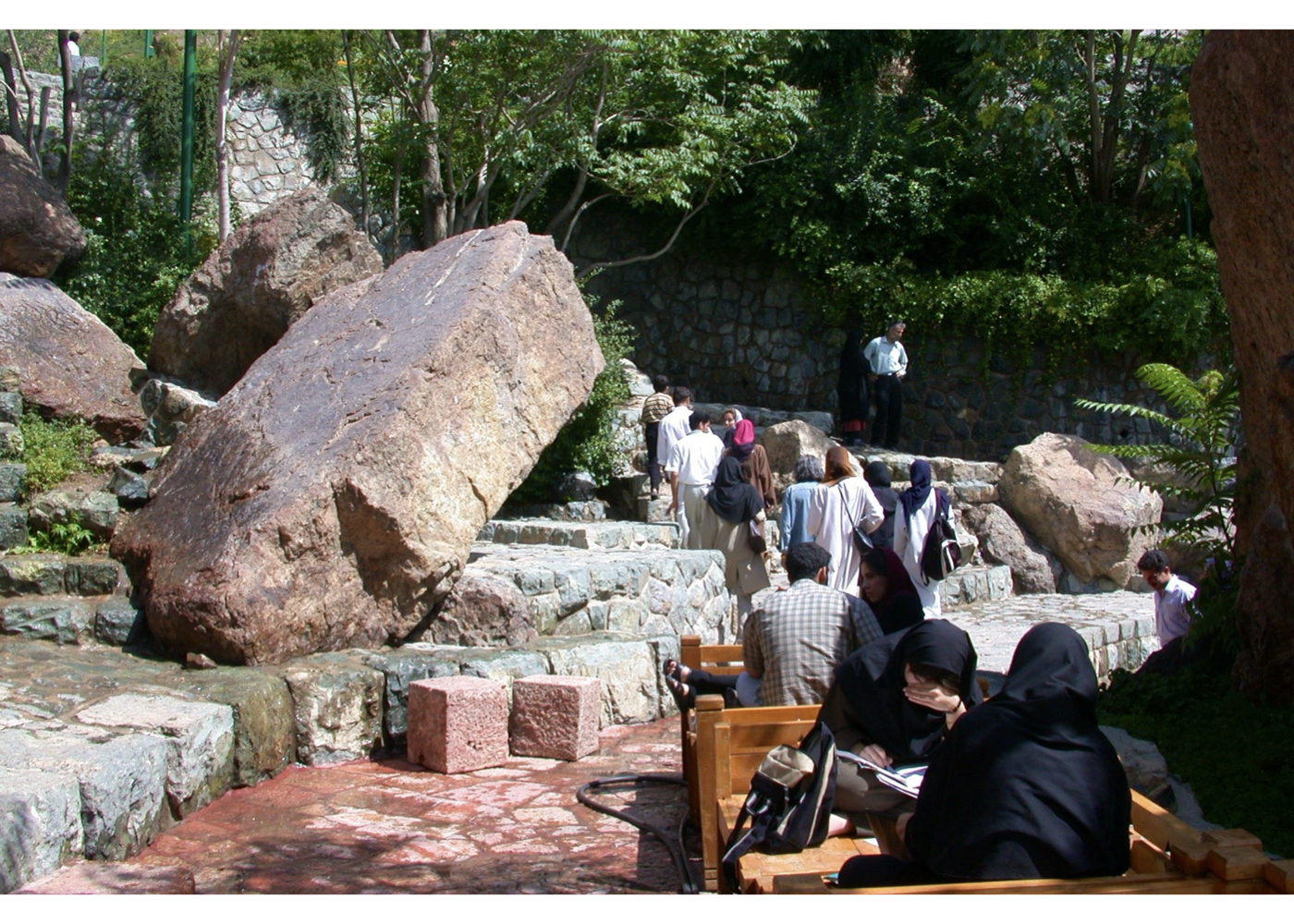
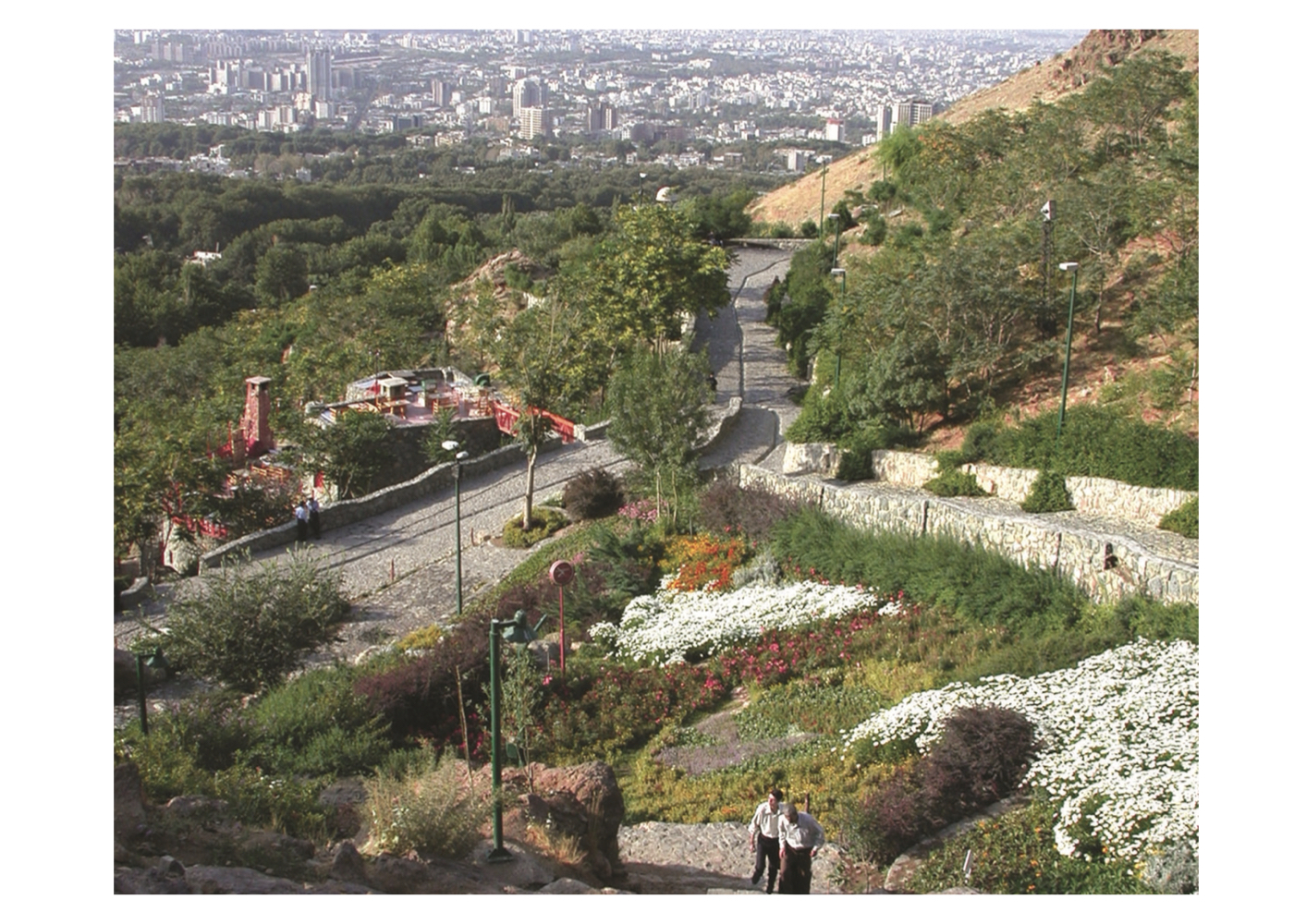
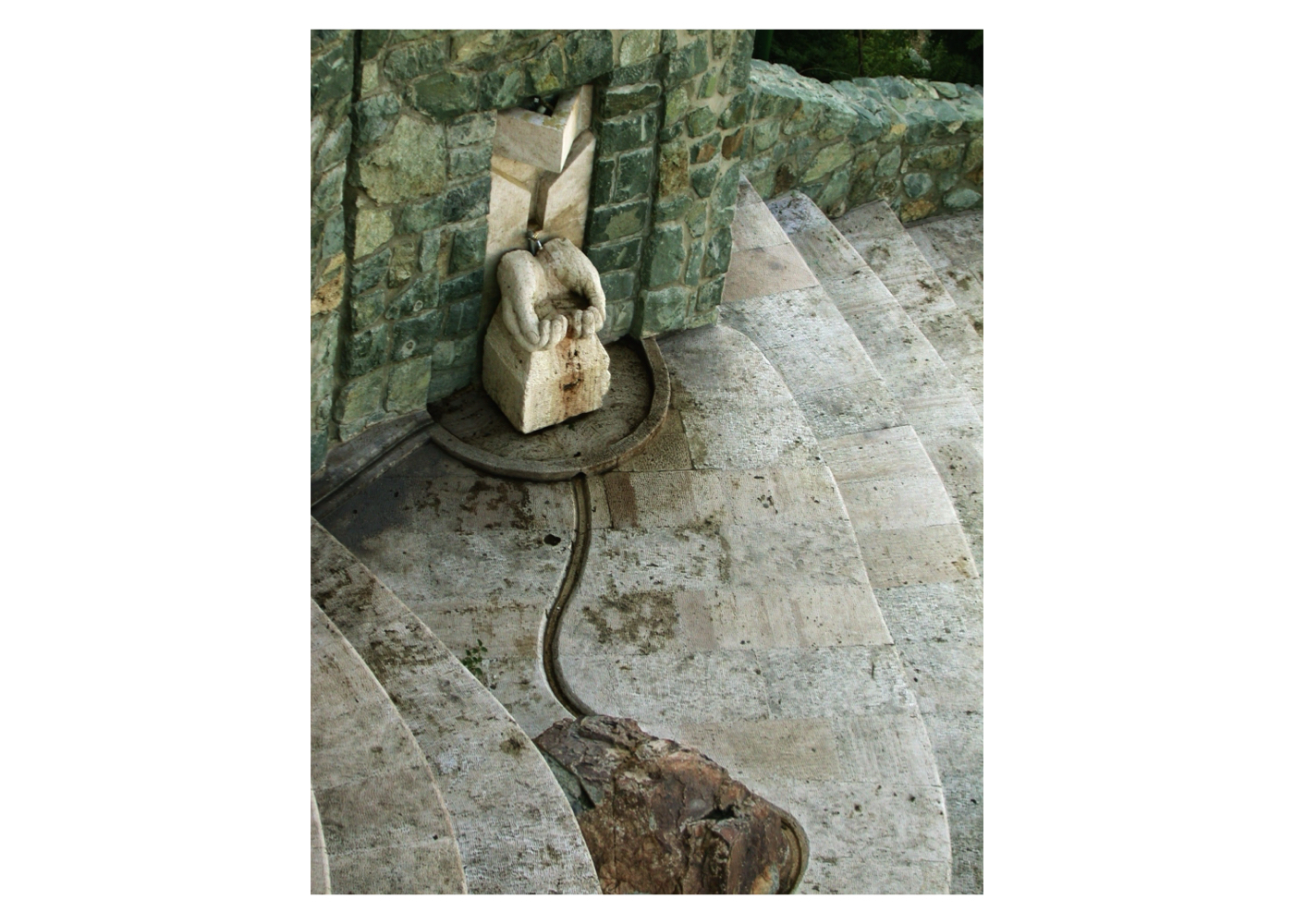
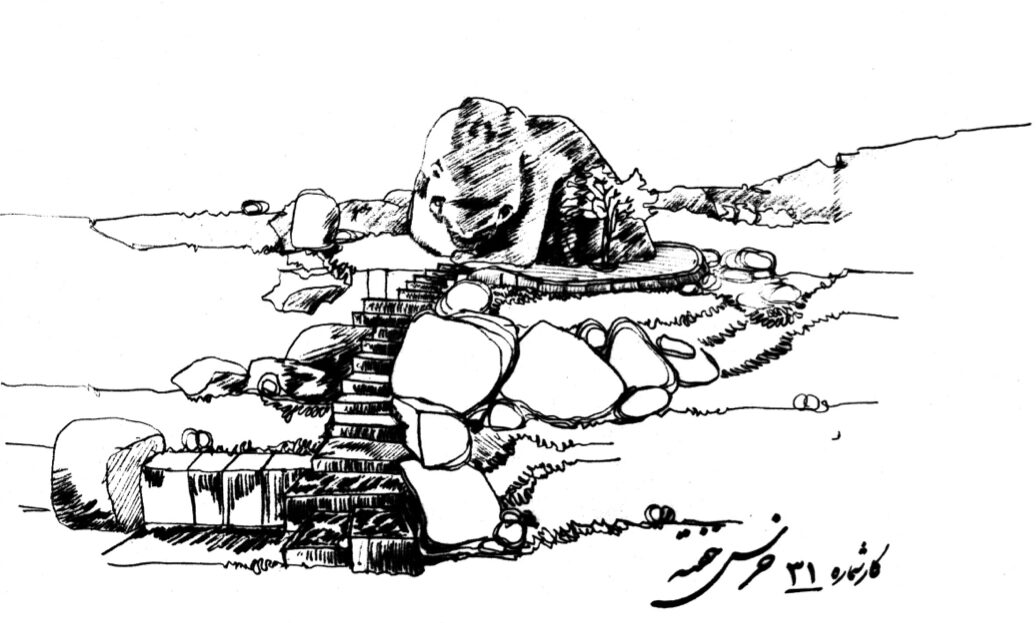
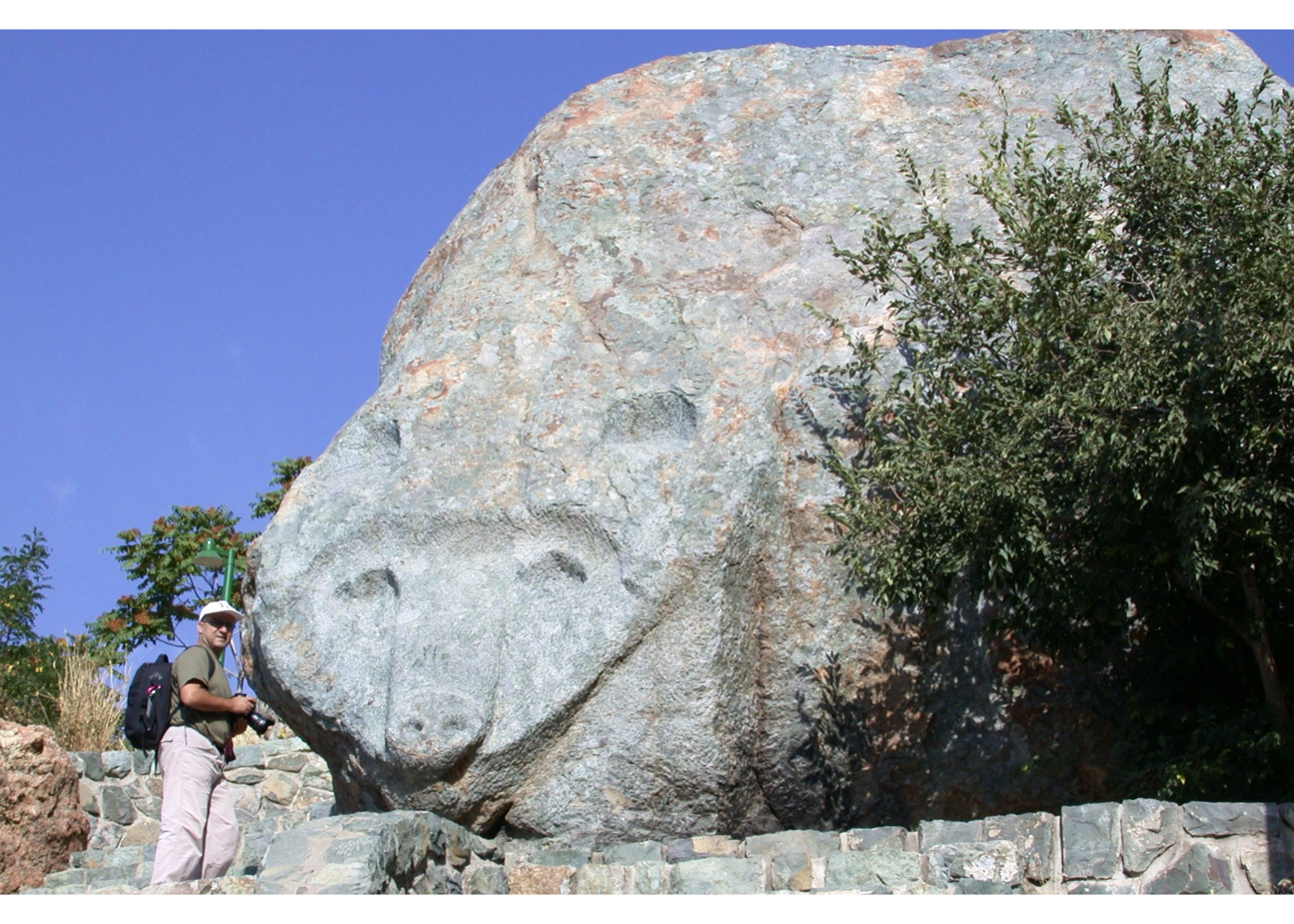
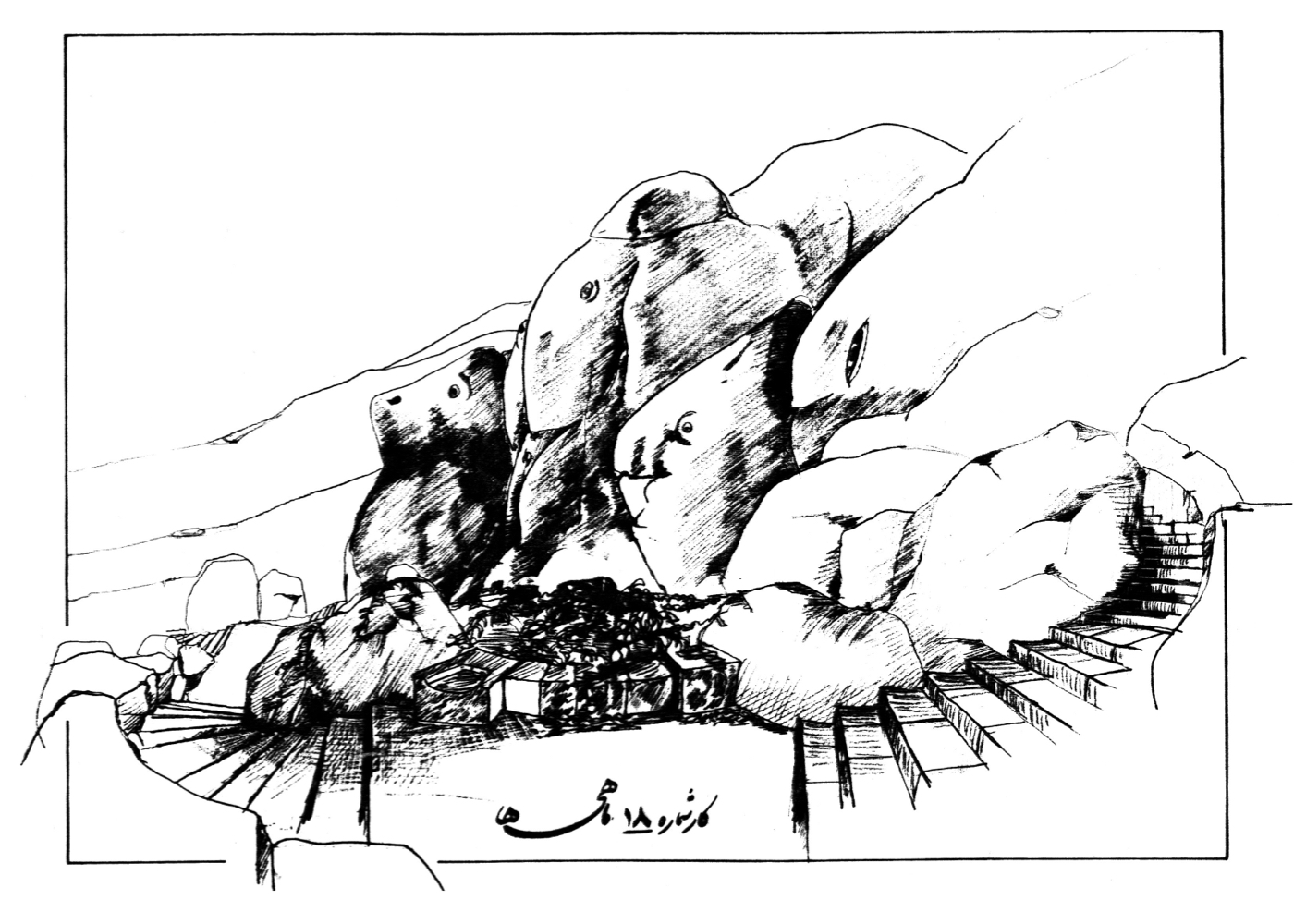
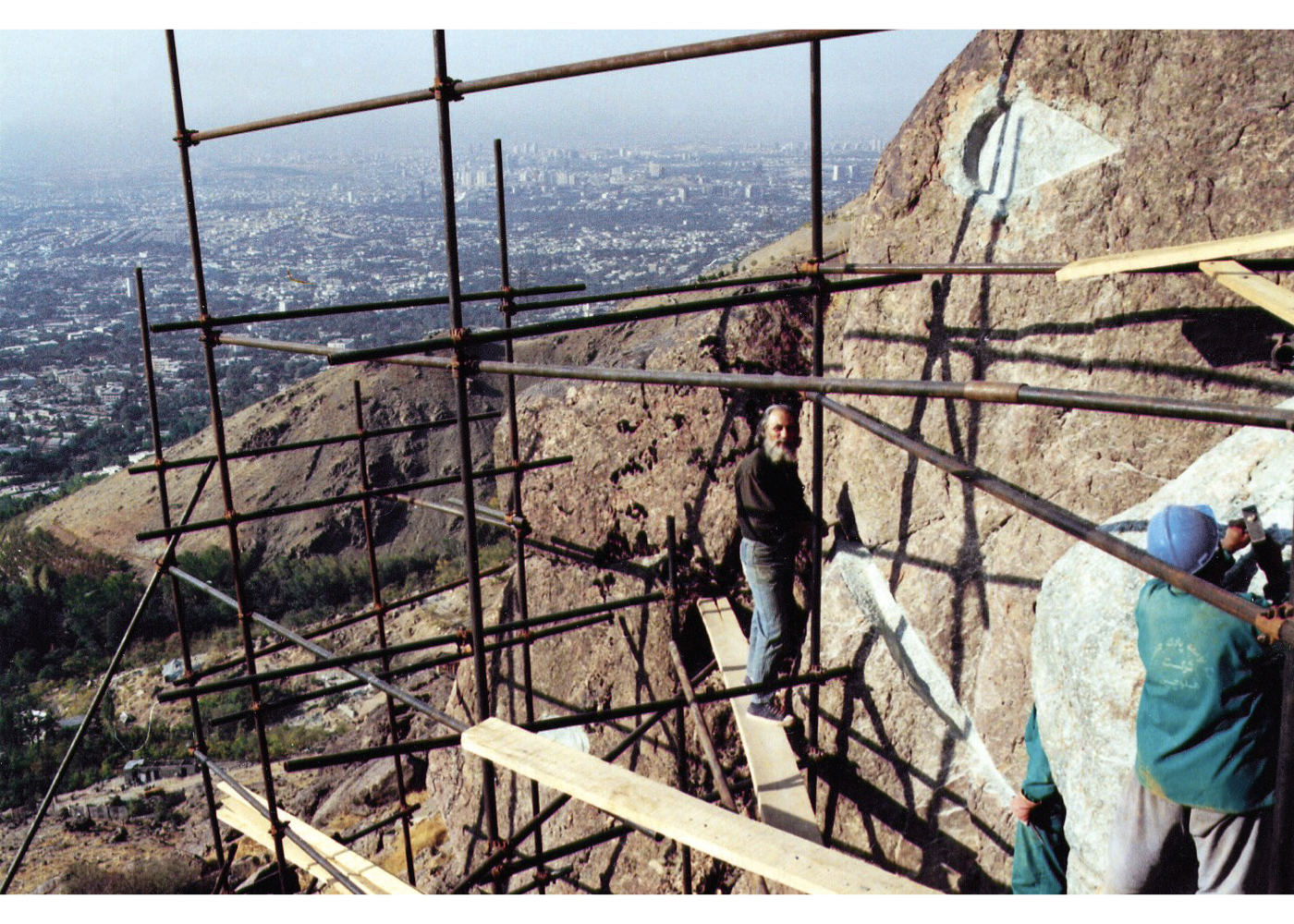
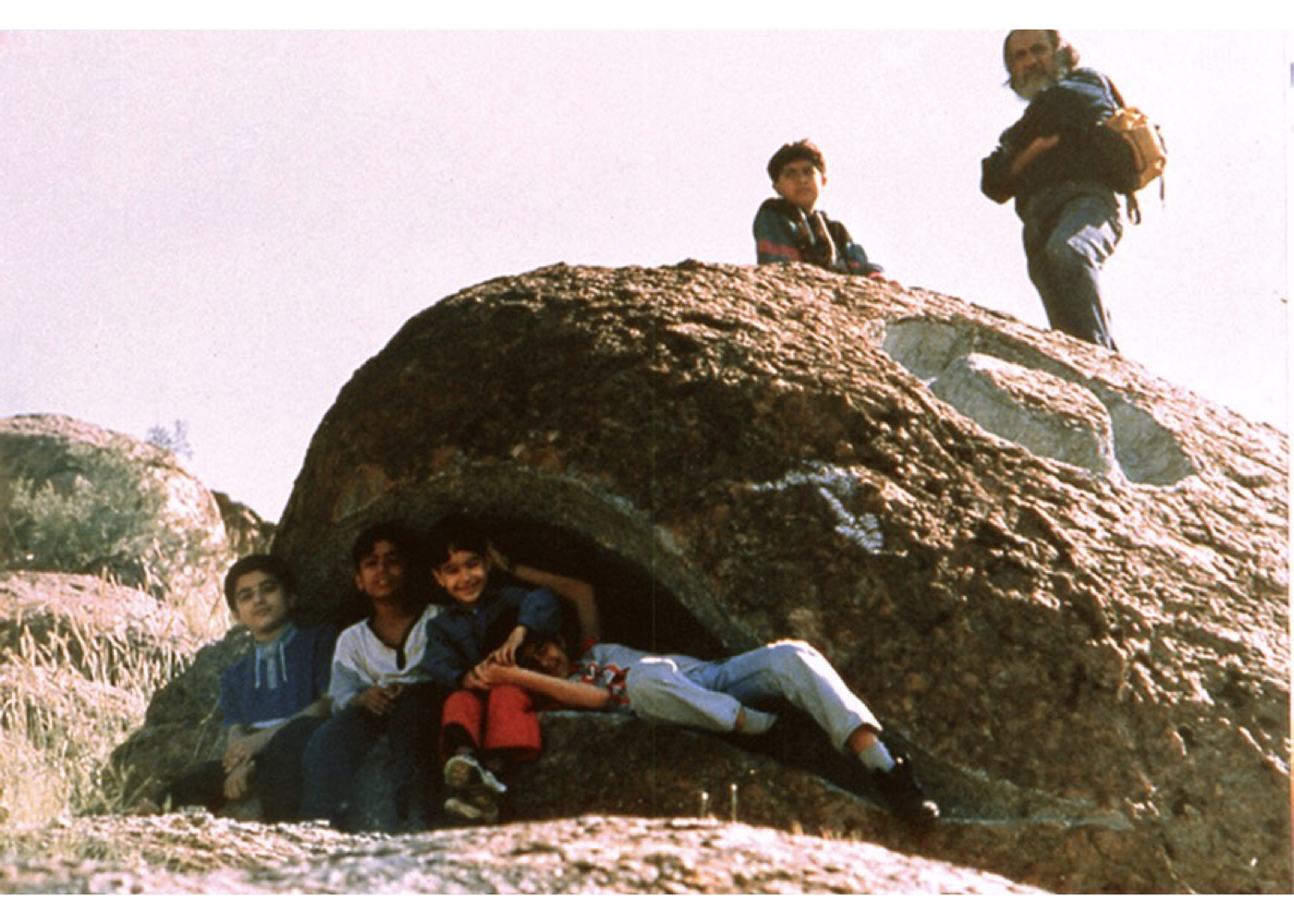
The project was designed in the valleys and elevated terrains west and north of Jamshidieh Garden, on a site covering approximately 30 hectares. Its main elements include five cultural–hospitality units: four “Cultural Houses” representing various Iranian ethnicities (Azerbaijan, Turkmen, Kurdistan, Zagros), and a central gathering hall connecting them; an exhibition of mountain flora; a prayer hall; a collection of large stone sculptures crafted from boulders naturally scattered across the mountain; a stone park; and an elevator that ascends the natural slope from the Jamshidieh valley up to an elevation of 2,250 meters.
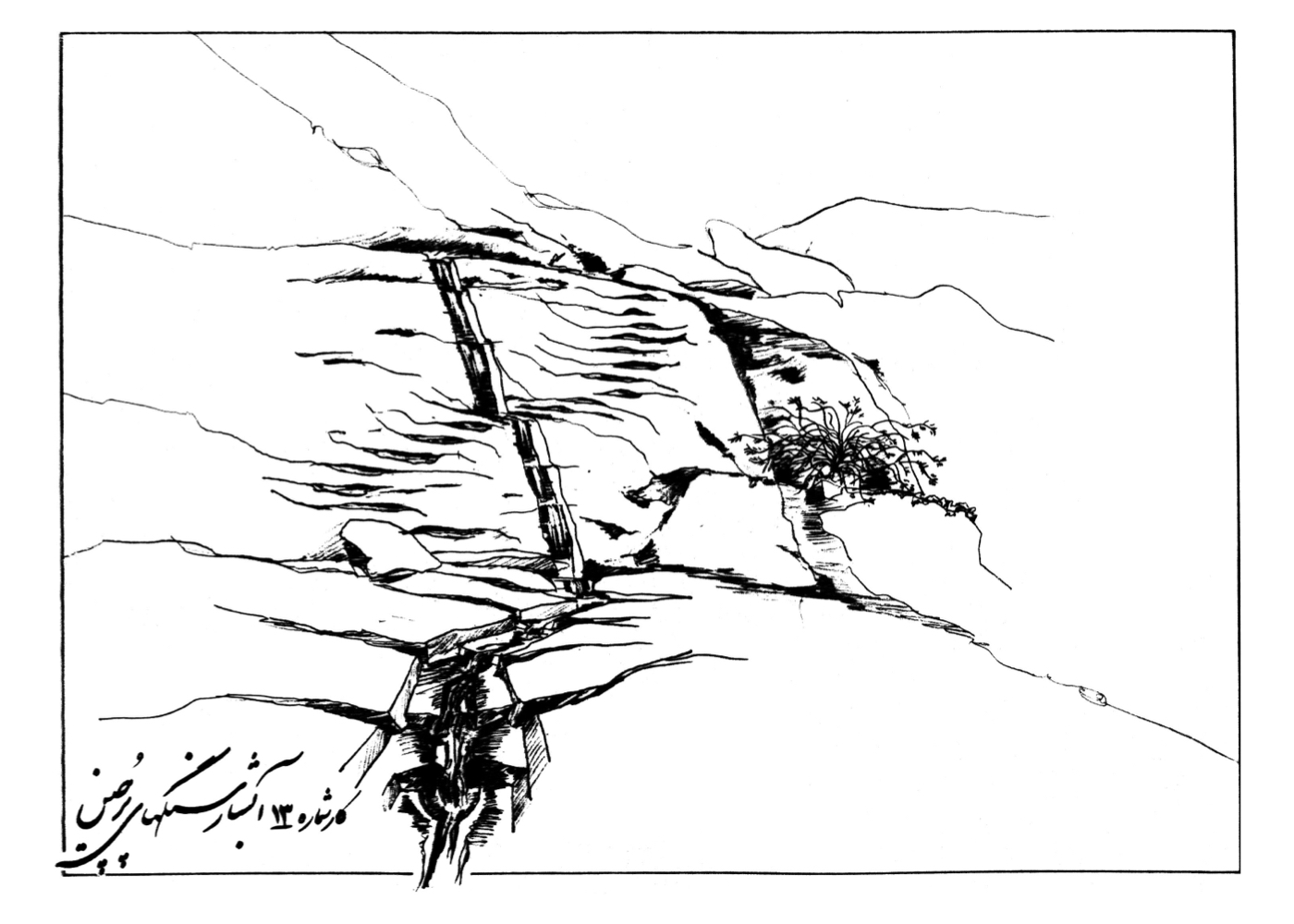
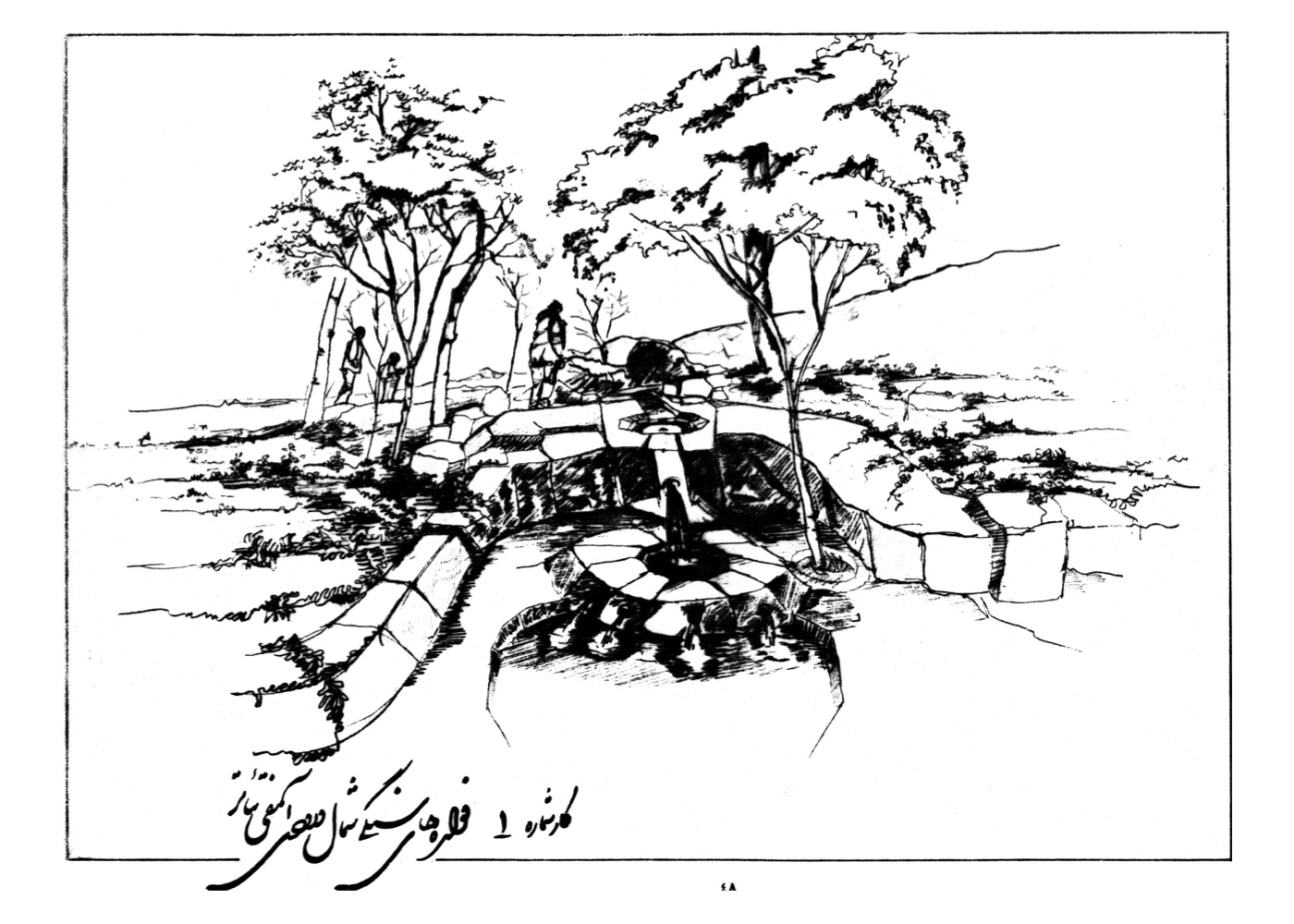
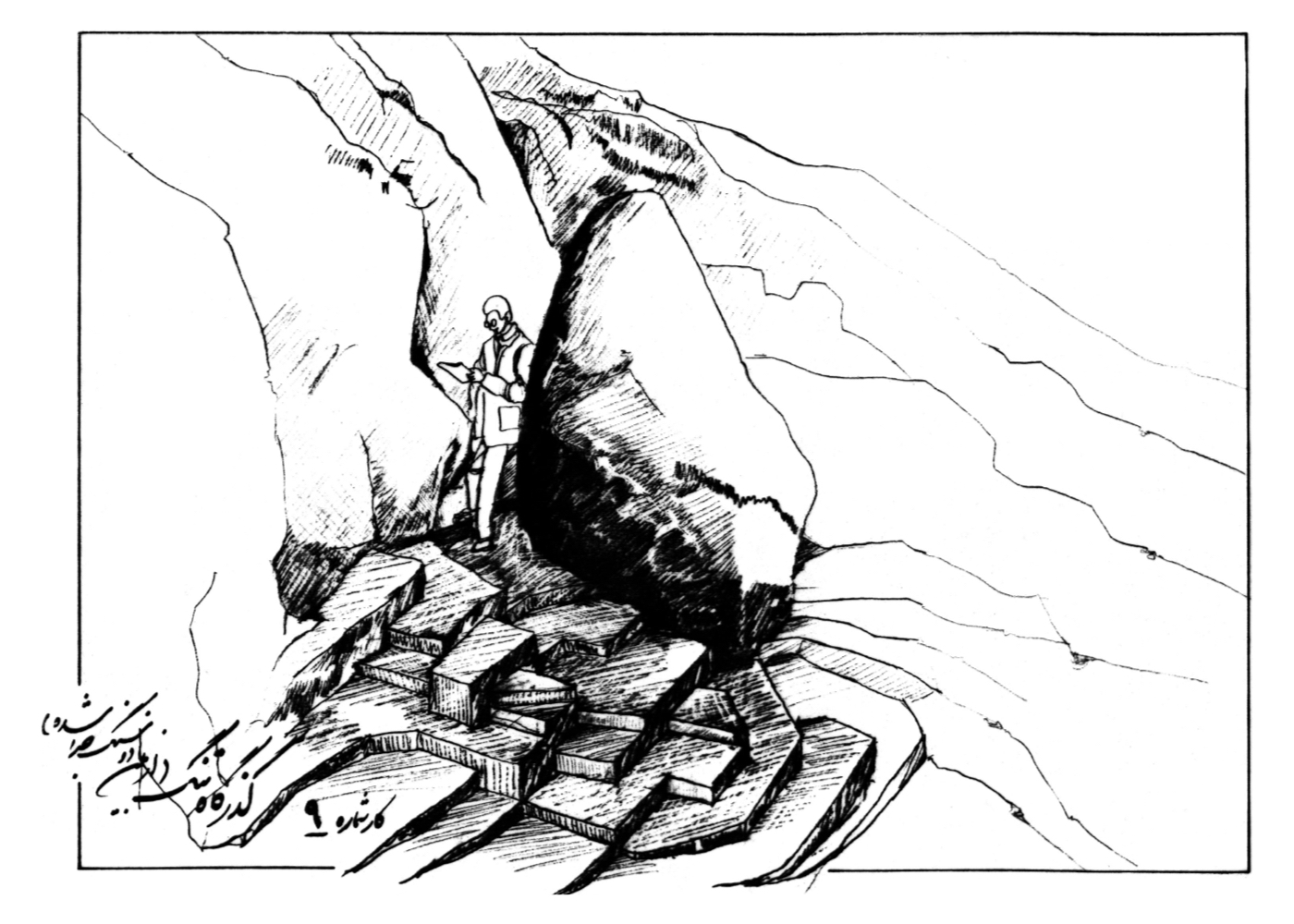
The stone garden is situated along the mountain's natural slope, between 1,800 and 2,100 meters above sea level. Initially, there were plans to design and construct additional Cultural Houses for other ethnic groups, but due to a change in city leadership, the full implementation of the plan was halted. Throughout the design and construction process, every effort was made to avoid damaging the mountain terrain — the project was designed to follow the natural contours. Every stone was treated as a design opportunity, and the vegetation used consisted mostly of hardy, mountain-resistant species.
* In the Publications section, a summary report of this project is presented.
** The strategic plan related to this area is presented in Section 6, Item 5.
*** In the Publications section, the book “Design in Nature” addresses this project.