| 1 | Buildings | House | Tranquility and human comfort | Integration of one or more natural essences within or around the dwelling (Iranian House) | Executed |

|
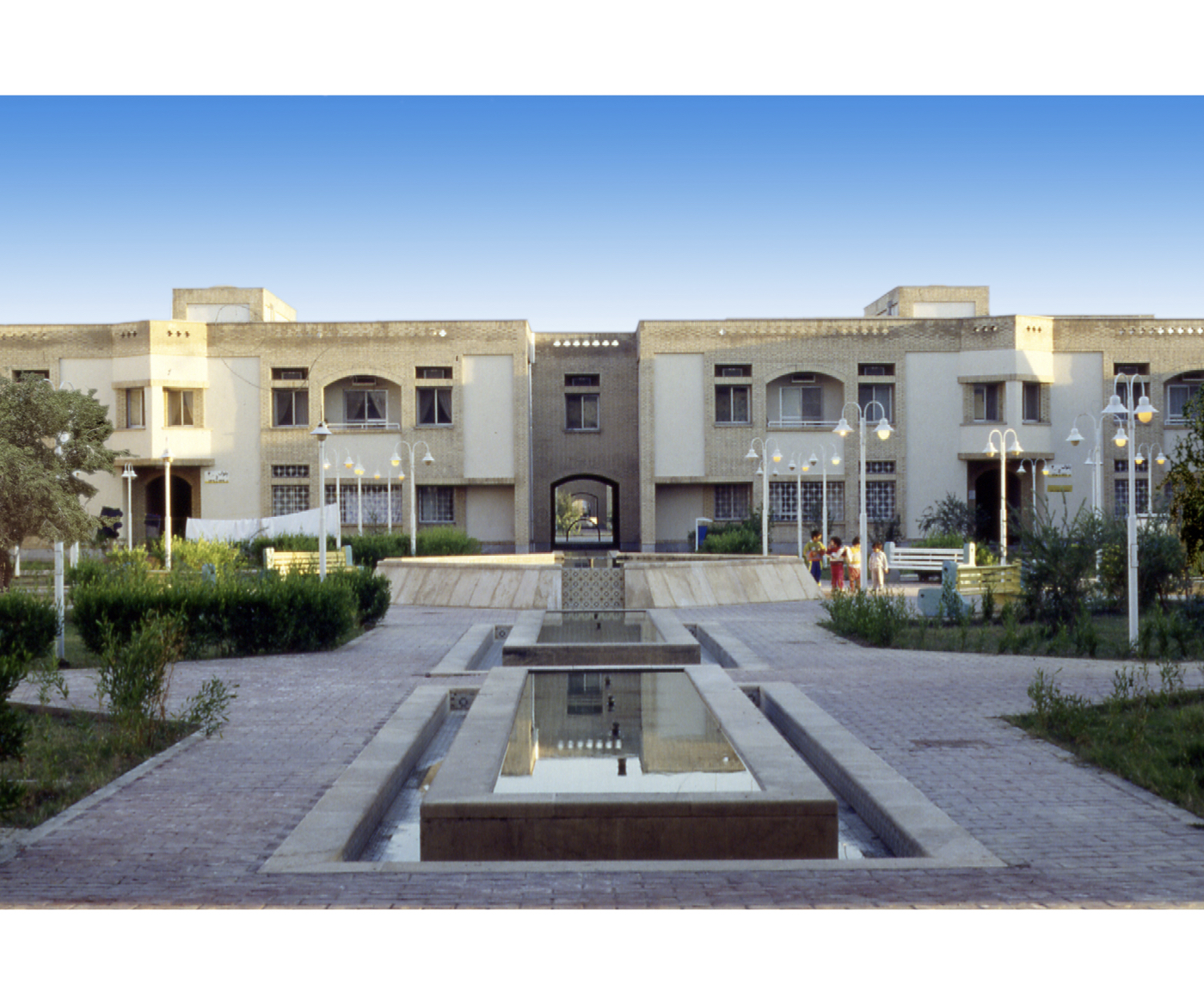
| 2 | Buildings | Cluster of Houses | Tranquility, comfort, and social connection | Integration of one or more natural essences within or around the cluster (Miānvand natural essences) | Executed |
|
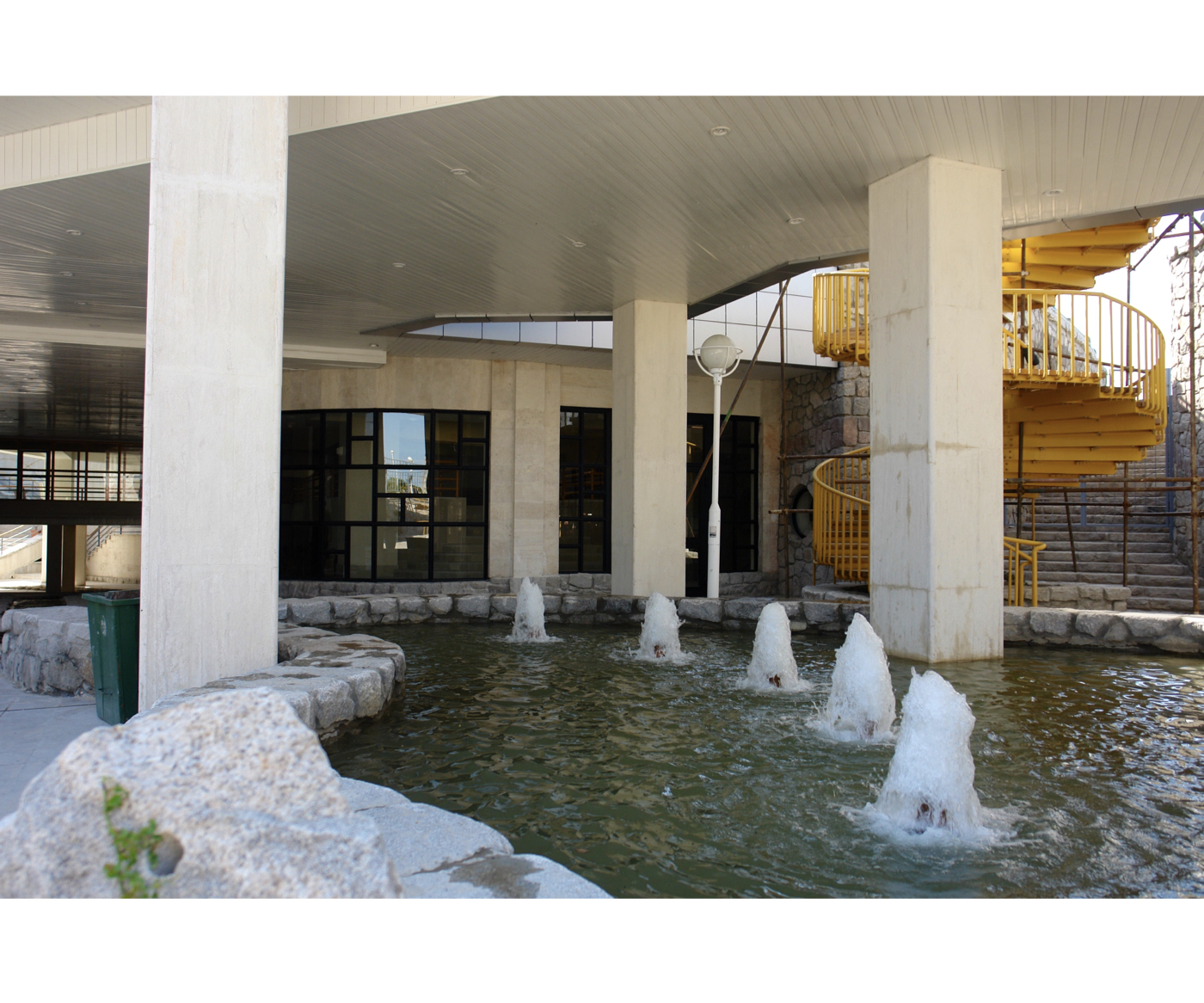
| 3 | Buildings | Public Buildings | Individual and collective benefit | Integration of one or more natural essences within or around the building (Miānvand natural essences) | Executed |
|
| 4 | Human Passageway | Alley | Circulation – Social connection | Incorporation of natural essences such as trees and flowers (Koocheh-Bagh – garden alley) | Executed |

|
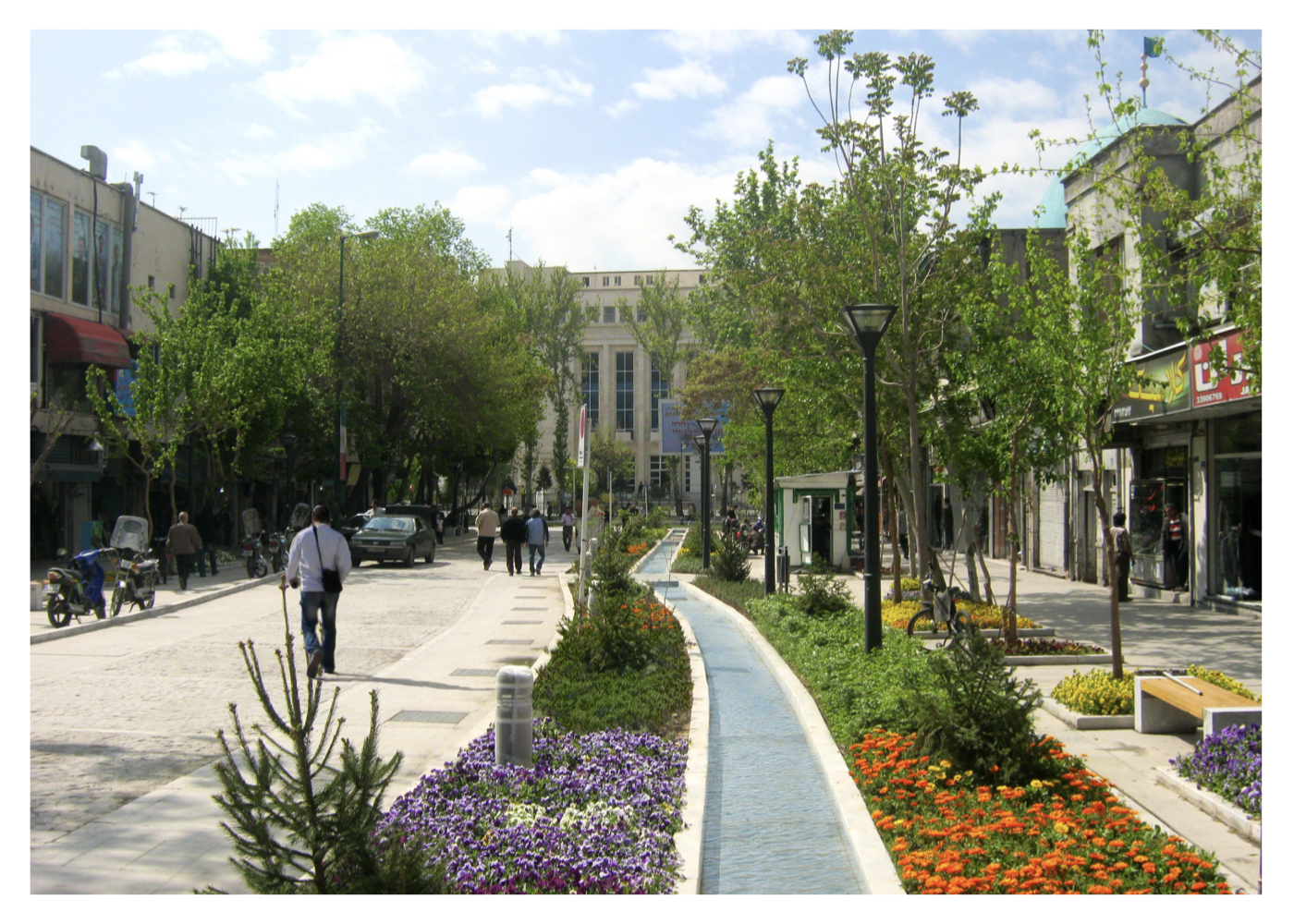
| 5 | Human Passageway | Commercial and Artisan Streets | Circulation – Trade – Social interaction | Incorporation of natural essences including trees, flowers, and flowing water (Bagh-Bazaar – garden market) | Executed |
|
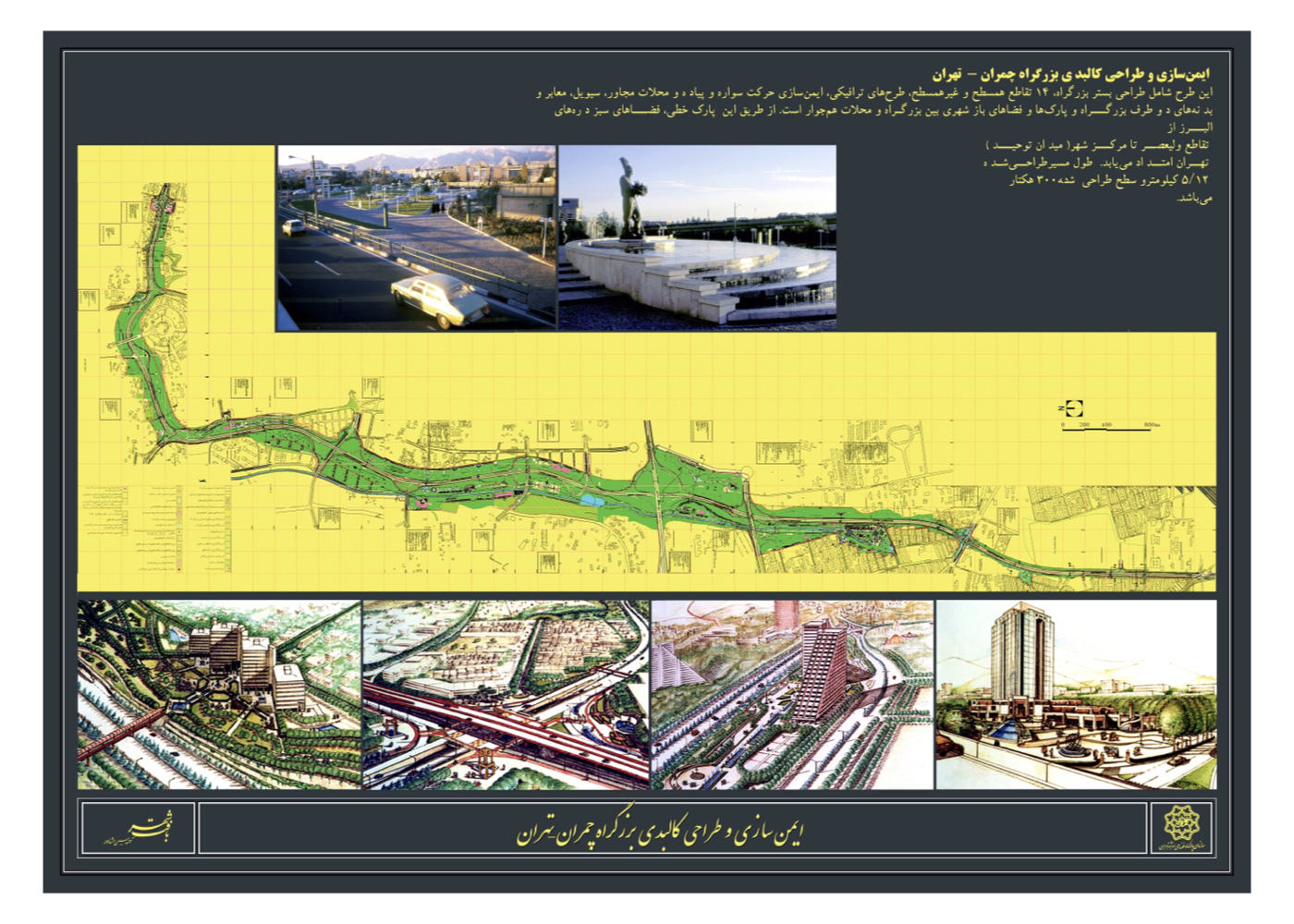
| 6 | Human Passageway | Expressways | Movement – Close and continuous visual corridor | Safety enhancement and integration of green natural essences like trees, shrubs, and bushes (Bagh-Rah – garden road) + reuse of vacant spaces | Strategic + Executed |

|
| 7 | Human Passageway | Urban Highways | Movement – Distant and continuous visual corridor | Safety enhancement and integration of green natural essences like trees, shrubs, and bushes (Bagh-Rah – garden road) + reuse of vacant spaces | Strategic + Executed |
|
| 8 | Water Corridor | River-Valley | A natural essence – a symbol of nature within the city | Sustainable rehabilitation of the riverbed and adjacent slopes, utilizing surrounding green natural essences — enabling clean passage through the city (the rare gift of a natural essence within the urban fabric) | Strategic + Executed |

|
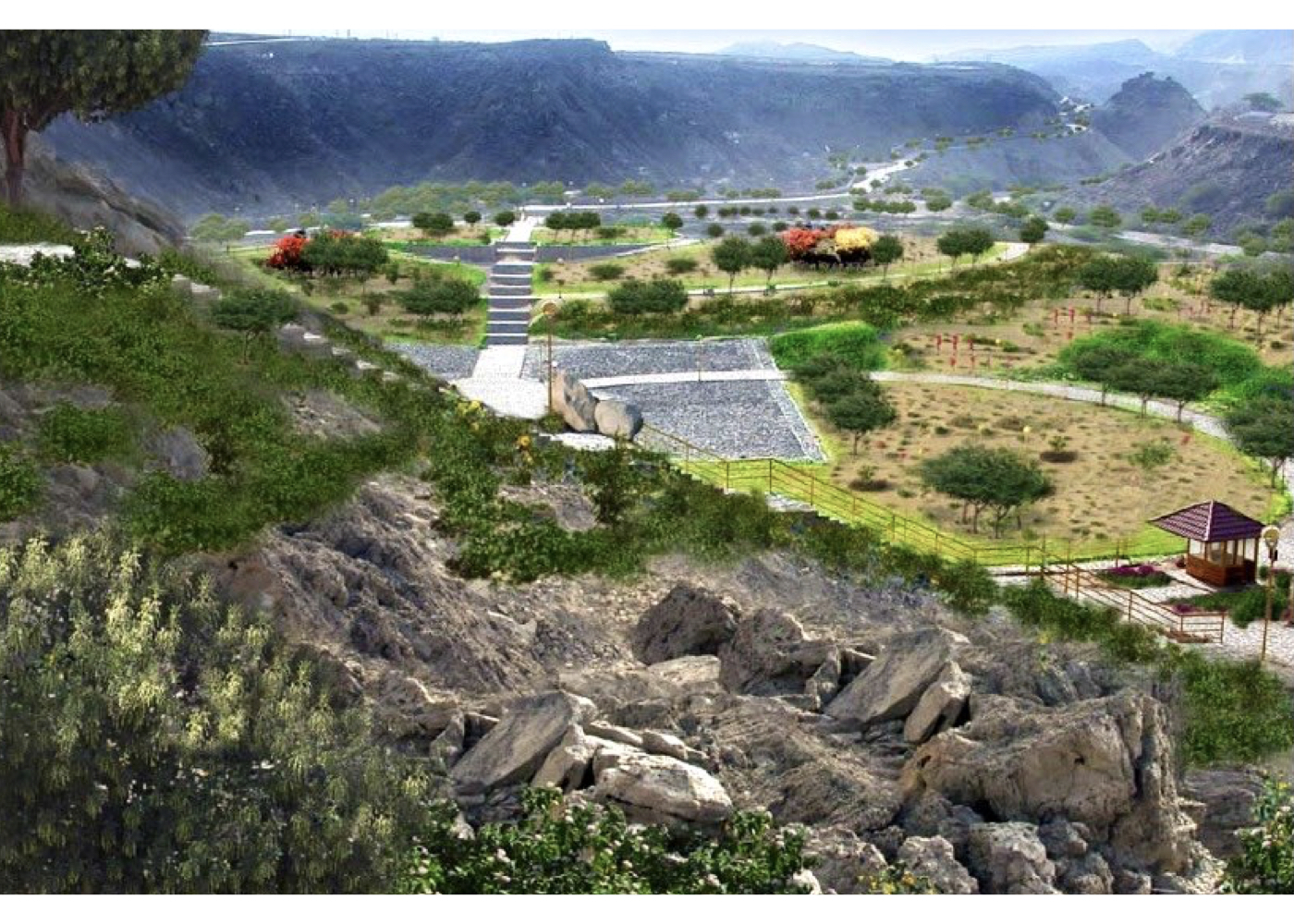
| 9 | Water Corridor | Valley | A Natural Gem Shaped by the Seasonal Flow of the City’s Upstream Waters | Sustainable rehabilitation of the riverbed and adjacent slopes, utilizing surrounding green natural essences — enabling clean passage through the city (the rare gift of a natural essence within the urban fabric) | Strategic + Executed |
|
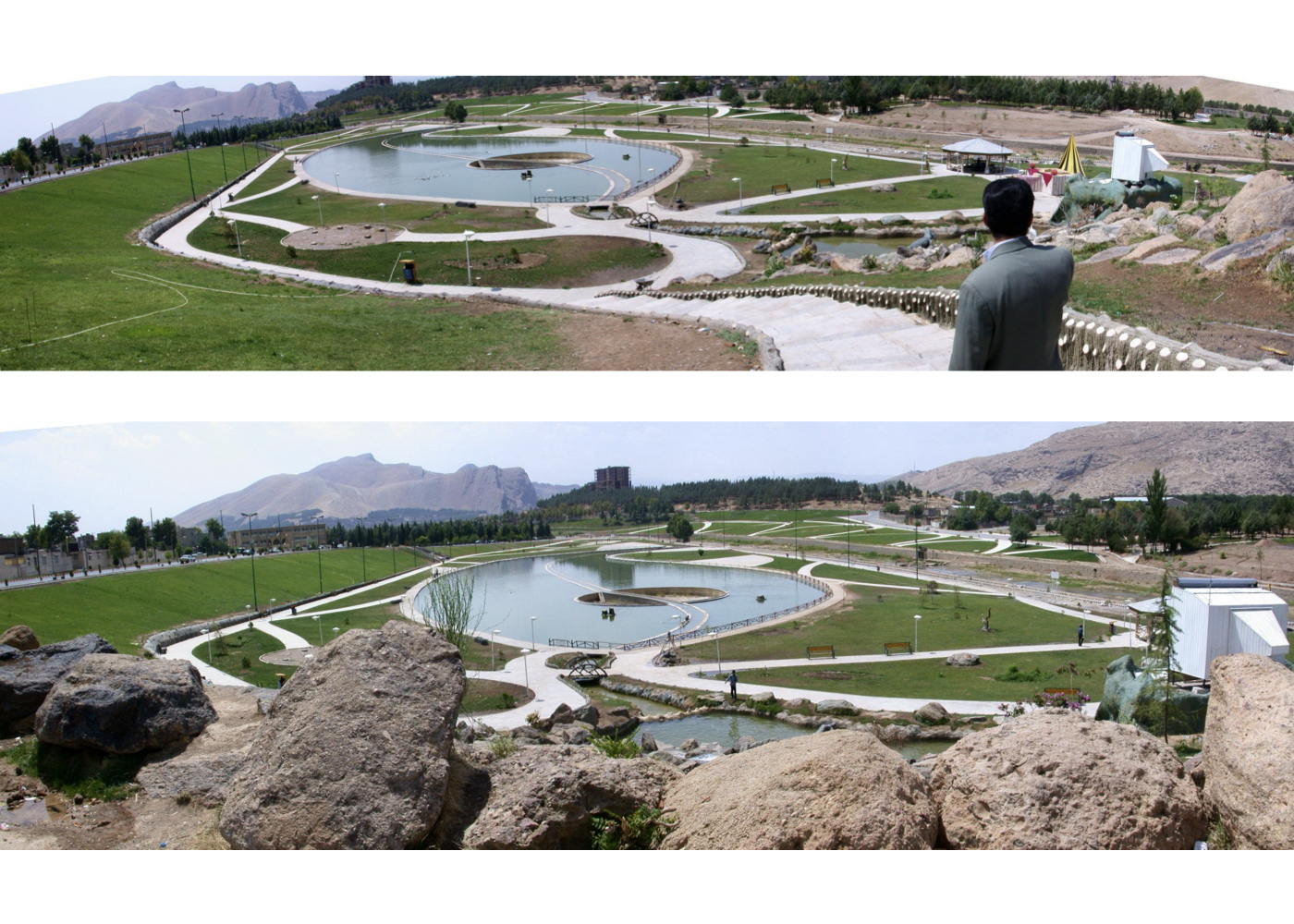
| 10 | Water Corridor | River | A natural essence – a sign of living nature in the city | Sustainable management of the riverbed and its banks, benefiting from surrounding natural essences — clean passage through the city (a connective corridor between city and nature) | Strategic |
|
| 11 | Water Corridor | Qanat | An ancestral essence – an infrastructure for sustainable urban life | Preservation, revitalization, enhancement, flowing water, and creation of a visible linear garden along its course | Executed |

|
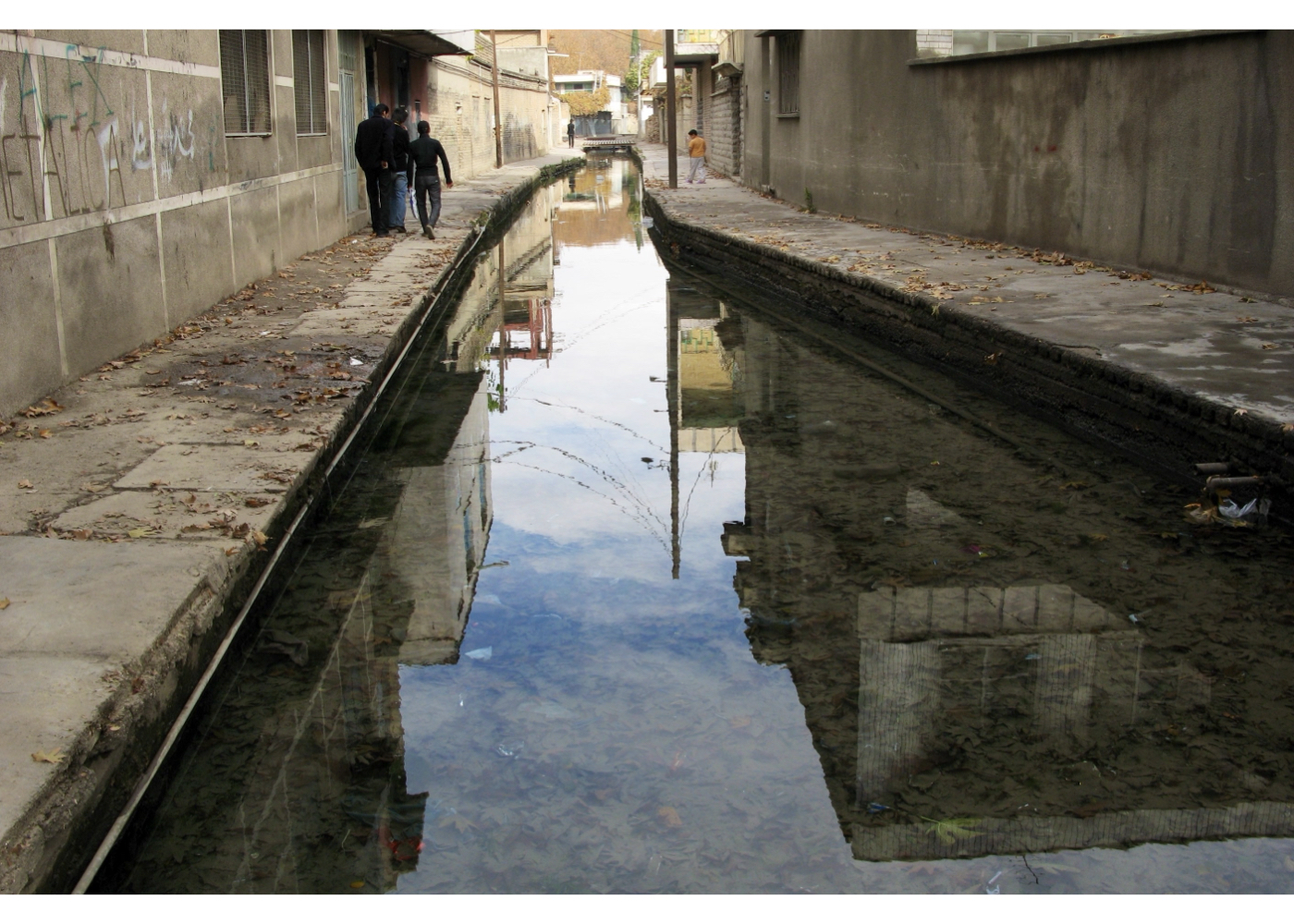
| 12 | Water Corridor | Spring | A natural essence – an asset of the city | Preservation, enhancement, flowing water, and creation of a visible linear garden along the spring's path | Recommended |
|
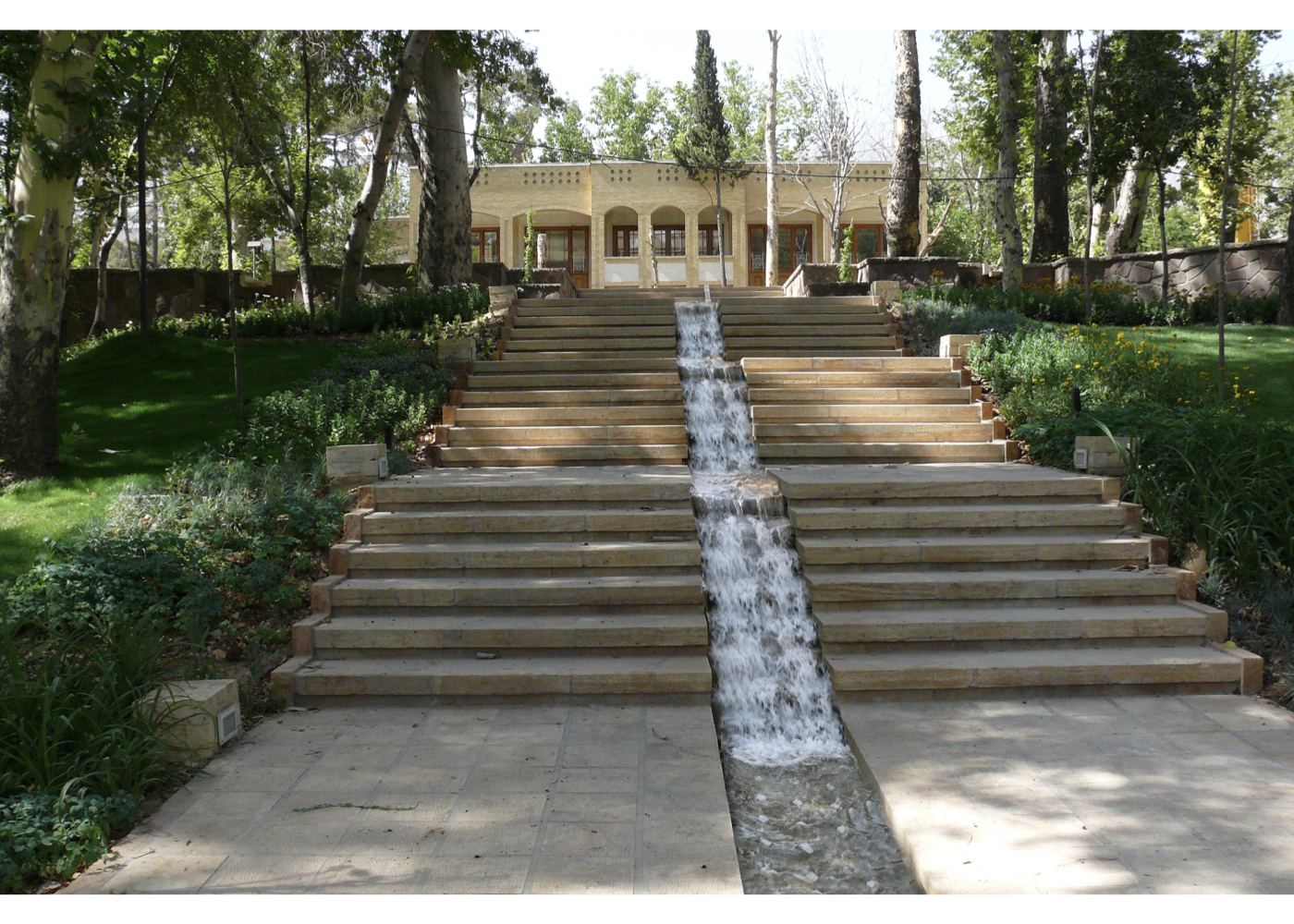
| 13 | Garden – Green Space | Single Gardens | Natural essence – Urban asset | Active conservation through context-sensitive and dignified use | Executed |
|
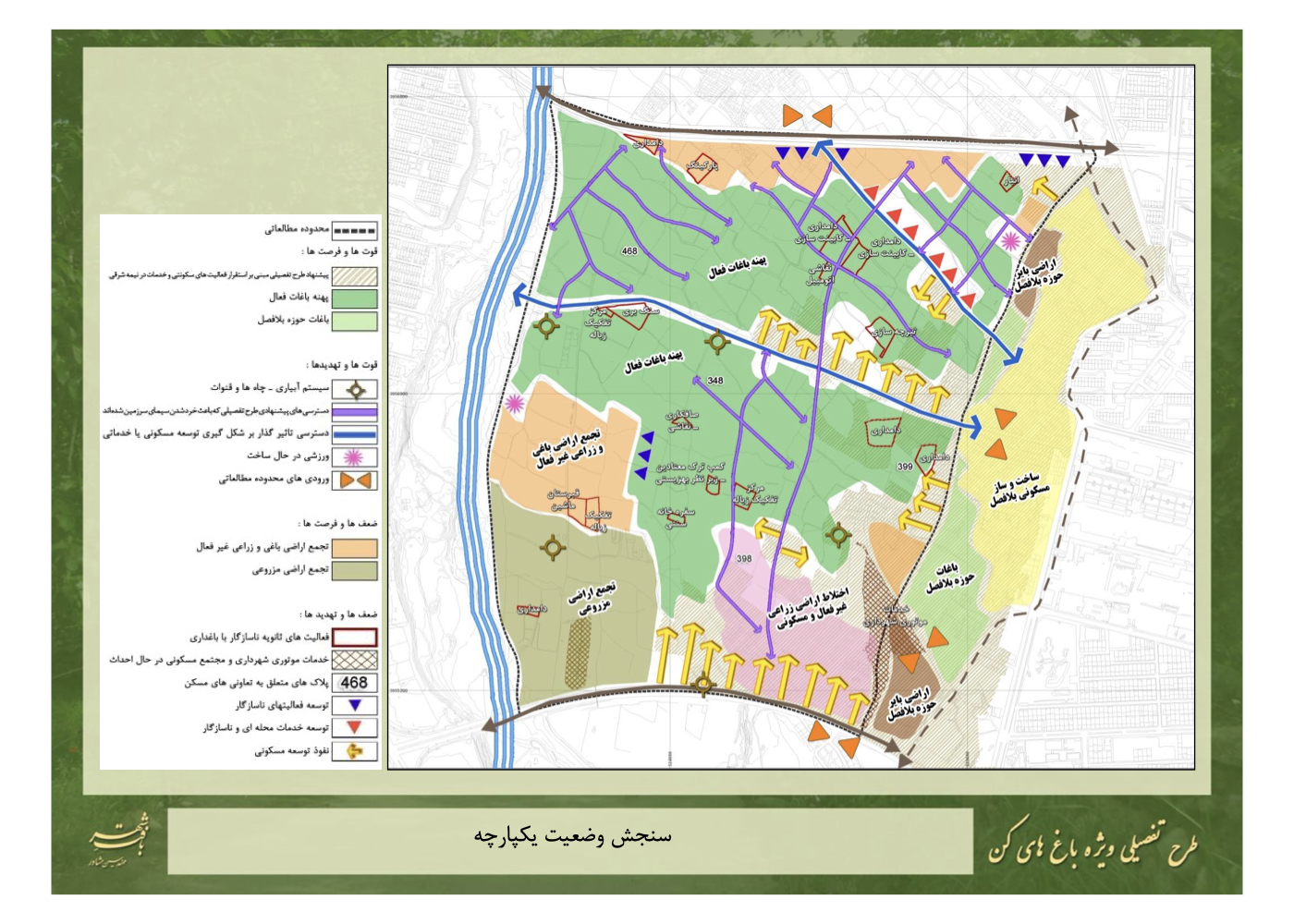
| 14 | Garden – Green Space | Connected Gardens | Natural essence – Urban asset | Active conservation through appropriate, garden-compatible uses | Strategic + Prototype |
|
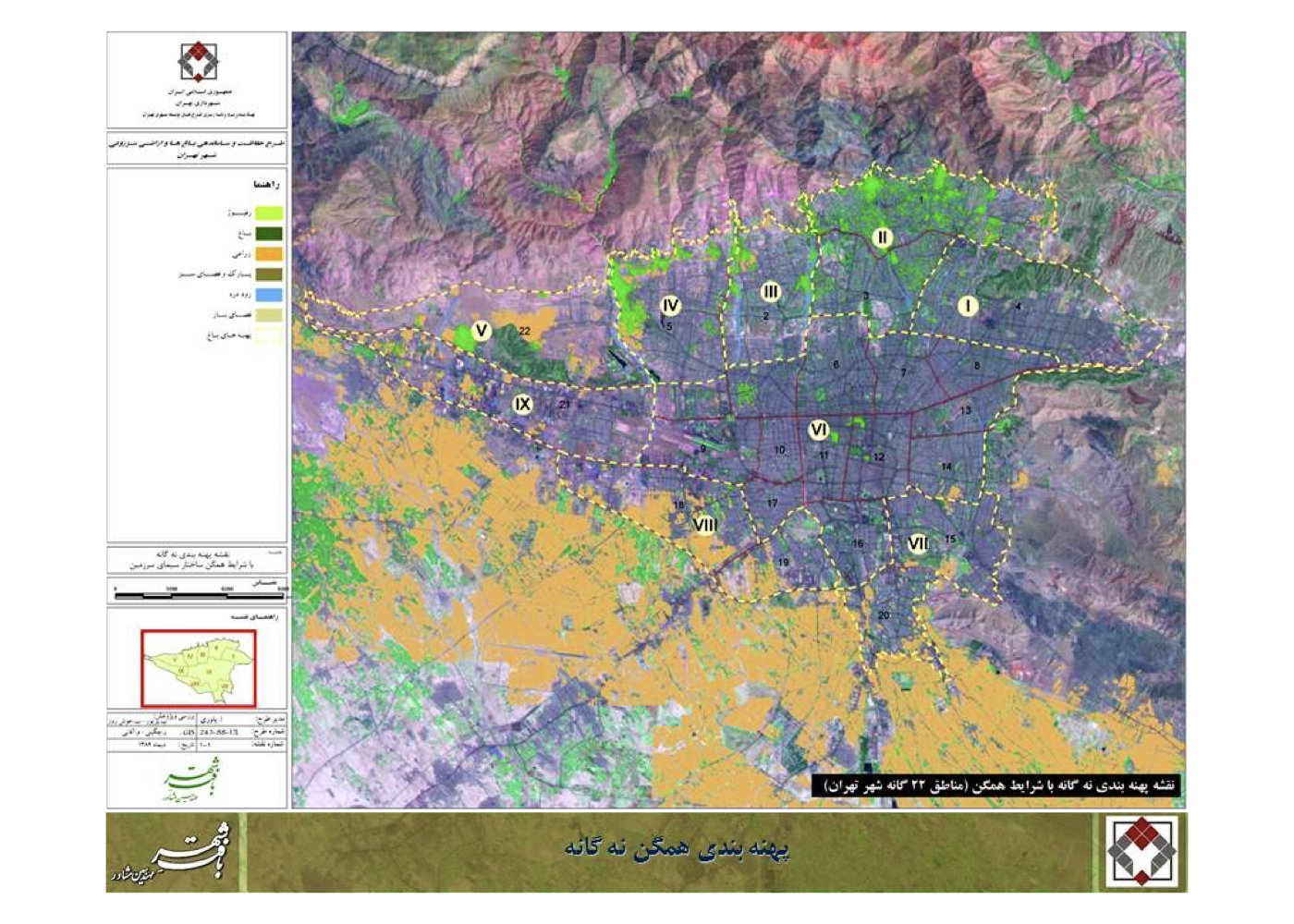
| 15 | Garden – Green Space | Gardens of an Entire City | Natural essence – Urban asset | Zoning based on environmental studies, site-specific design, and landscape architecture; management aligned with zone/subzone conditions and compatible land use | Strategic |
|
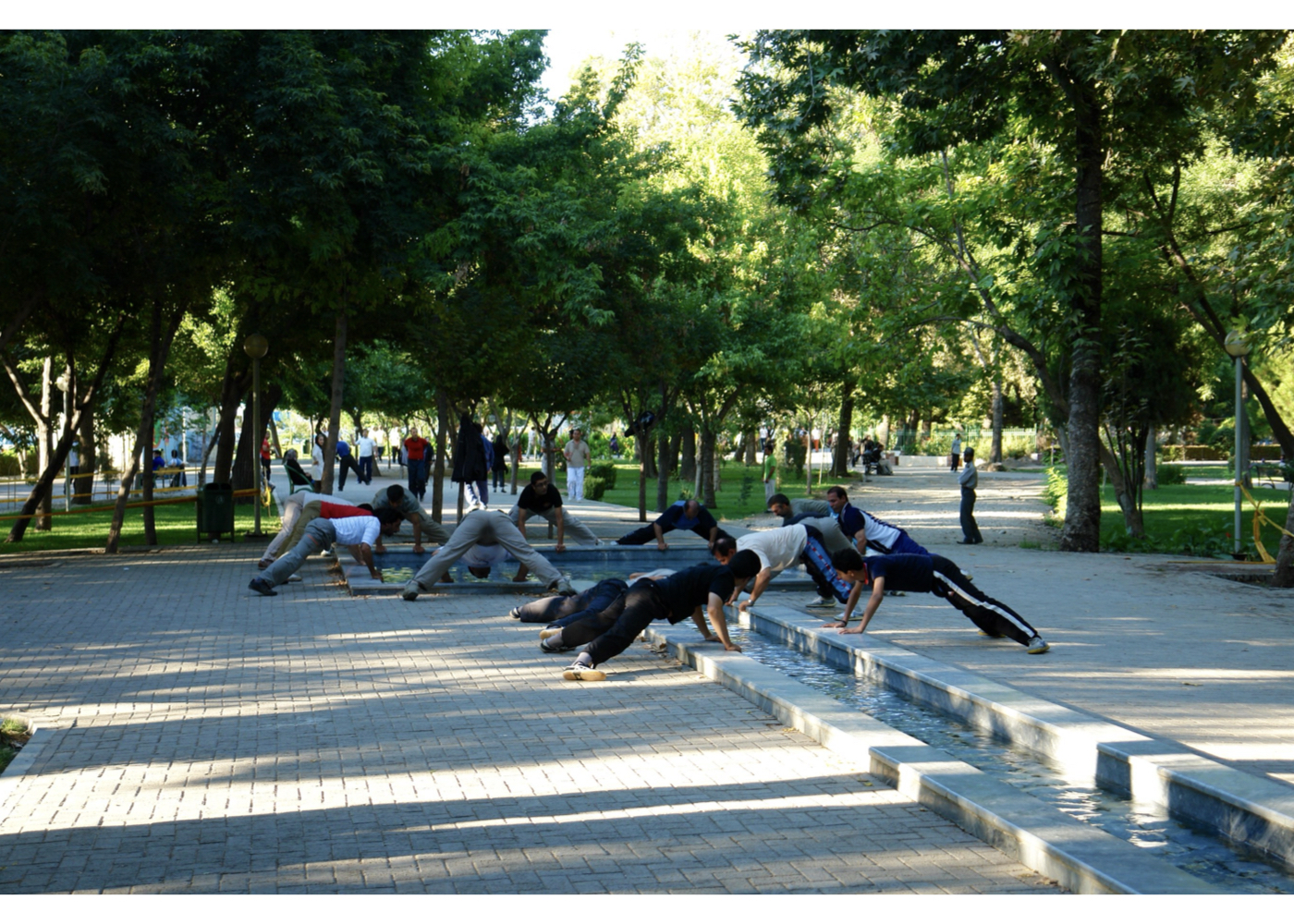
| 16 | Garden – Green Space | Public Gardens | Natural essence – Urban asset – Social connectivity | Revitalization, stewardship, function aligned with ecological capacity, and services appropriate to the garden’s identity | Executed |
|
| 17 | Garden – Green Space | Forest-Gardens on the Urban Edge | Natural essence – Potential for social cohesion | Safety measures, continuity, urban-compatible uses, and functions aligned with garden identity and security | Strategic + Prototype |
|
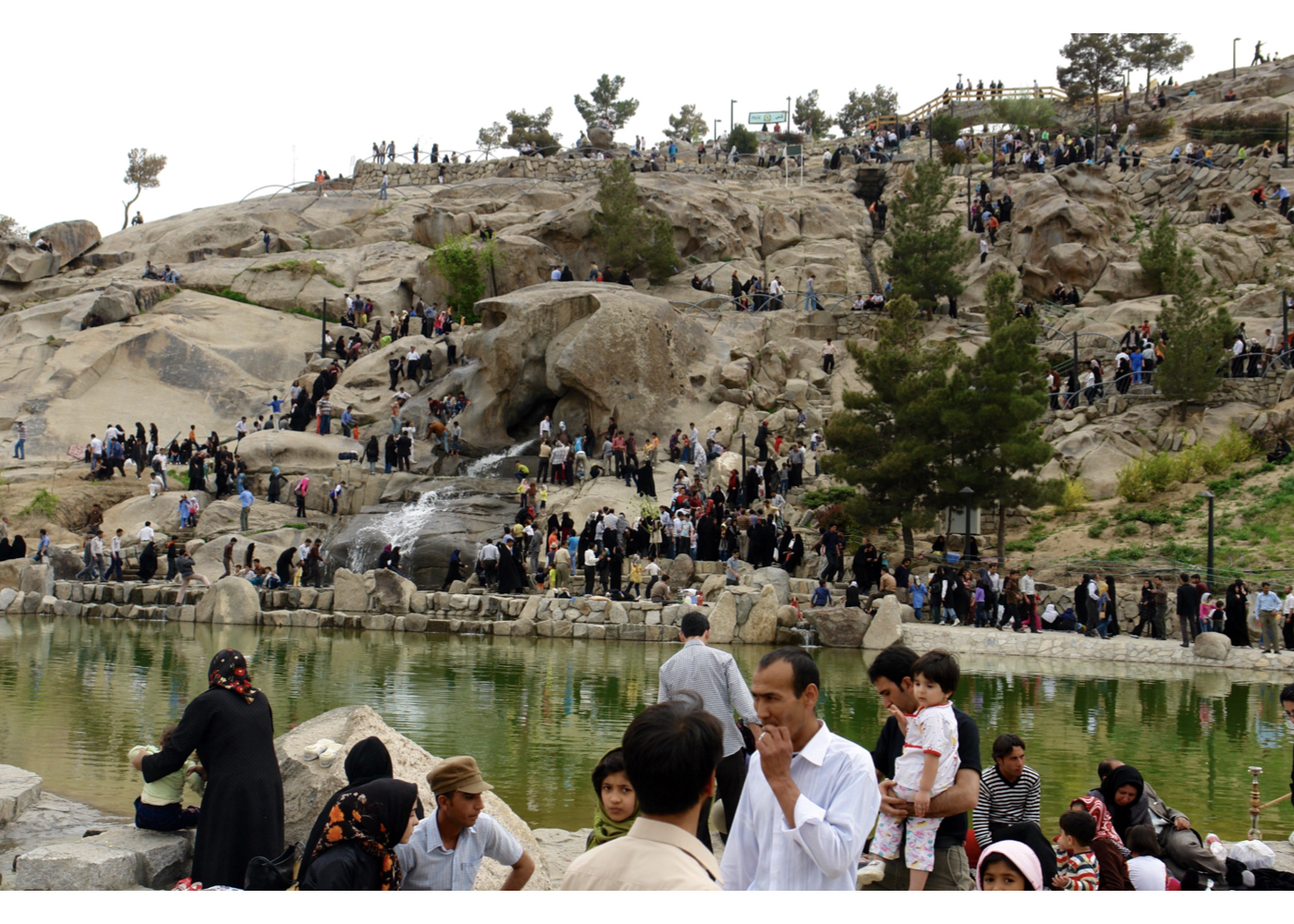
| 18 | Garden – Green Space | Urban Pardises (Campus-style Parks) | Tranquility – Social interaction | Naming, features, activities, and siting of each garden; integration of gardens; functional balance based on the capacity of each garden | Strategic + Executed |
|
| 19 | Garden – Green Space | Fragmented Green Spaces | Greater resilience against threats and degradation | Selecting green spaces for potential linkage, identifying connectors (routes or areas), and implementing methods for spatial integration | Strategic |

|
| 20 | Garden – Green Space | Urban Green Space | A Natural Jewel, an Urban Asset | | Organization of Urban Green Spaces Within the Framework of Existing Opportunities and Constraints | Strategic + Design + Implementation |

|
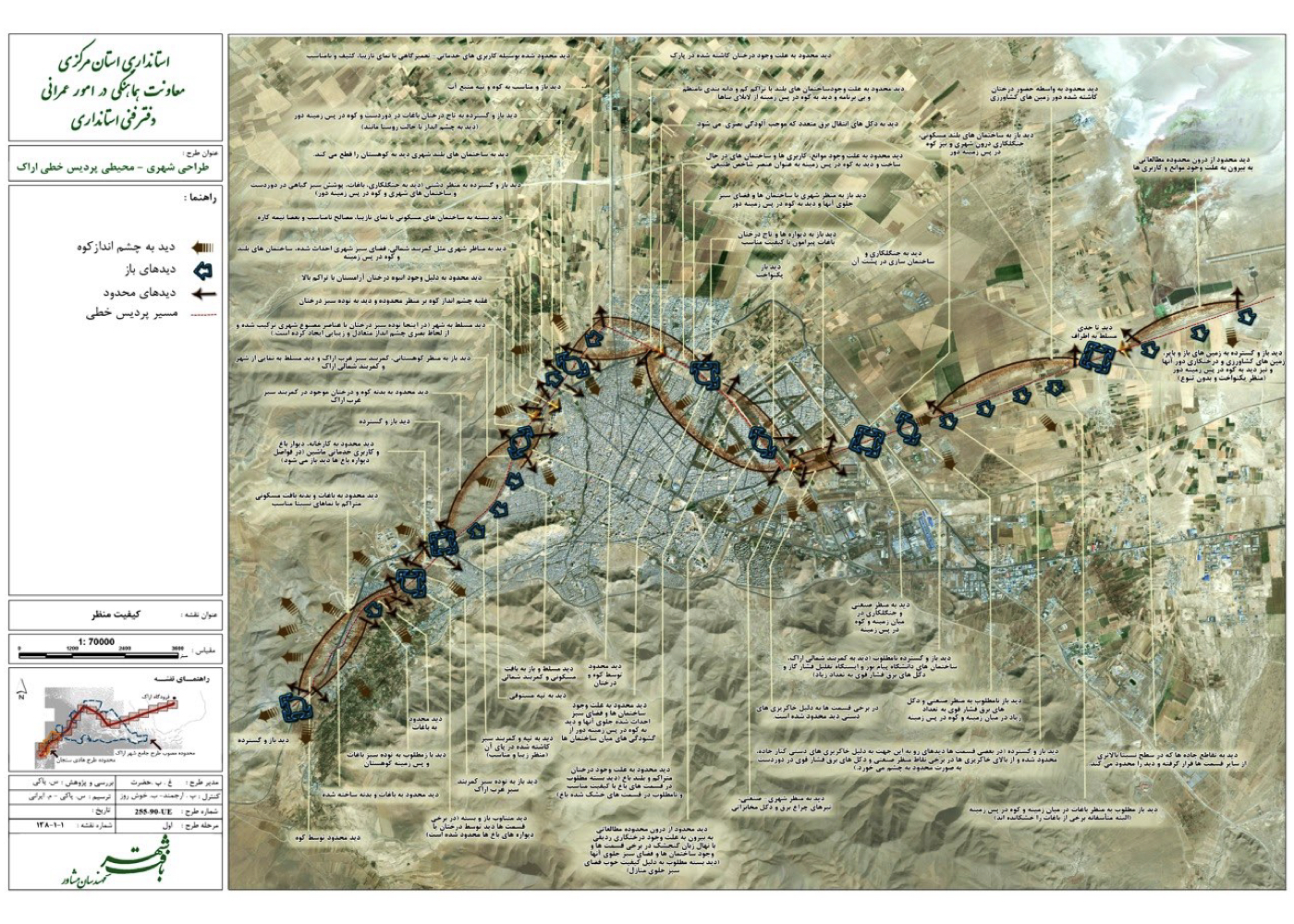
| 21 | Vacant Lands | Degraded Passageways | Urban asset – opportunity for optimized urban functions | Removal of degradation, zoning of the corridor, linear gardens, activities aligned with capacity and need of each zone, integration with adjacent lands | Strategic + Designed |
|
| 22 | Vacant Lands | Degraded Lands | Urban asset – opportunity for optimized urban functions | Structural reprogramming, removal of physical and functional blight, phased implementation of structural transformation, execution of alternative land uses | Strategic + Designed |

|
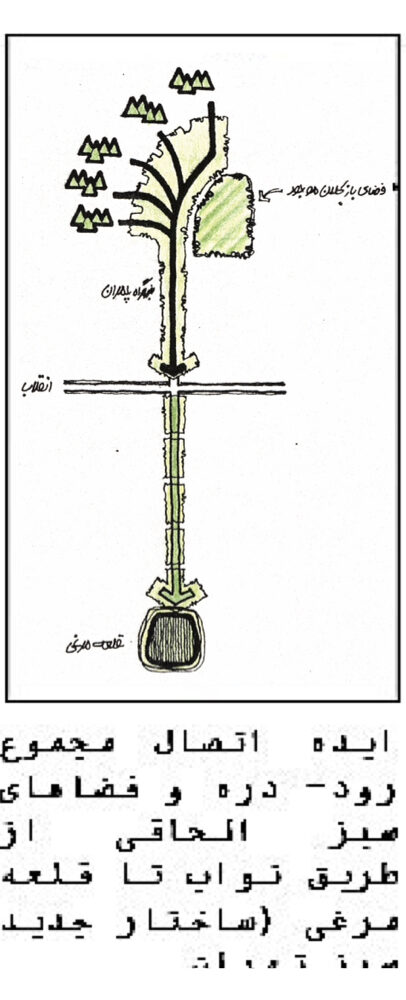
| 23 | Natural Structures | Integration of Nature with the City | A foundation for sustainable urban expansion | Final alignment selection, zoning aligned with site conditions and influential structures, protection plan, feasible and site-specific activities including linear gardens | Strategic + Prototype |
|
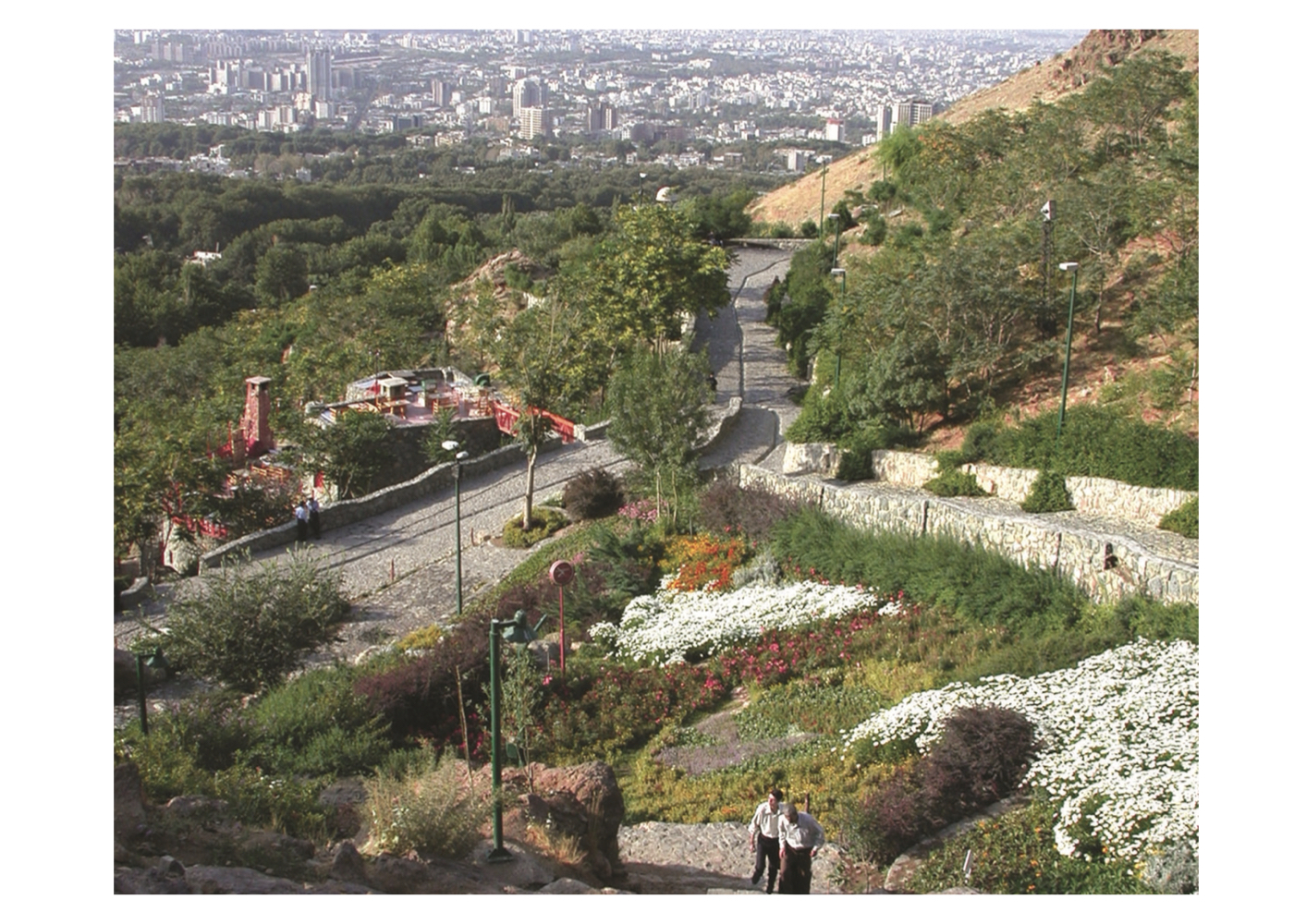
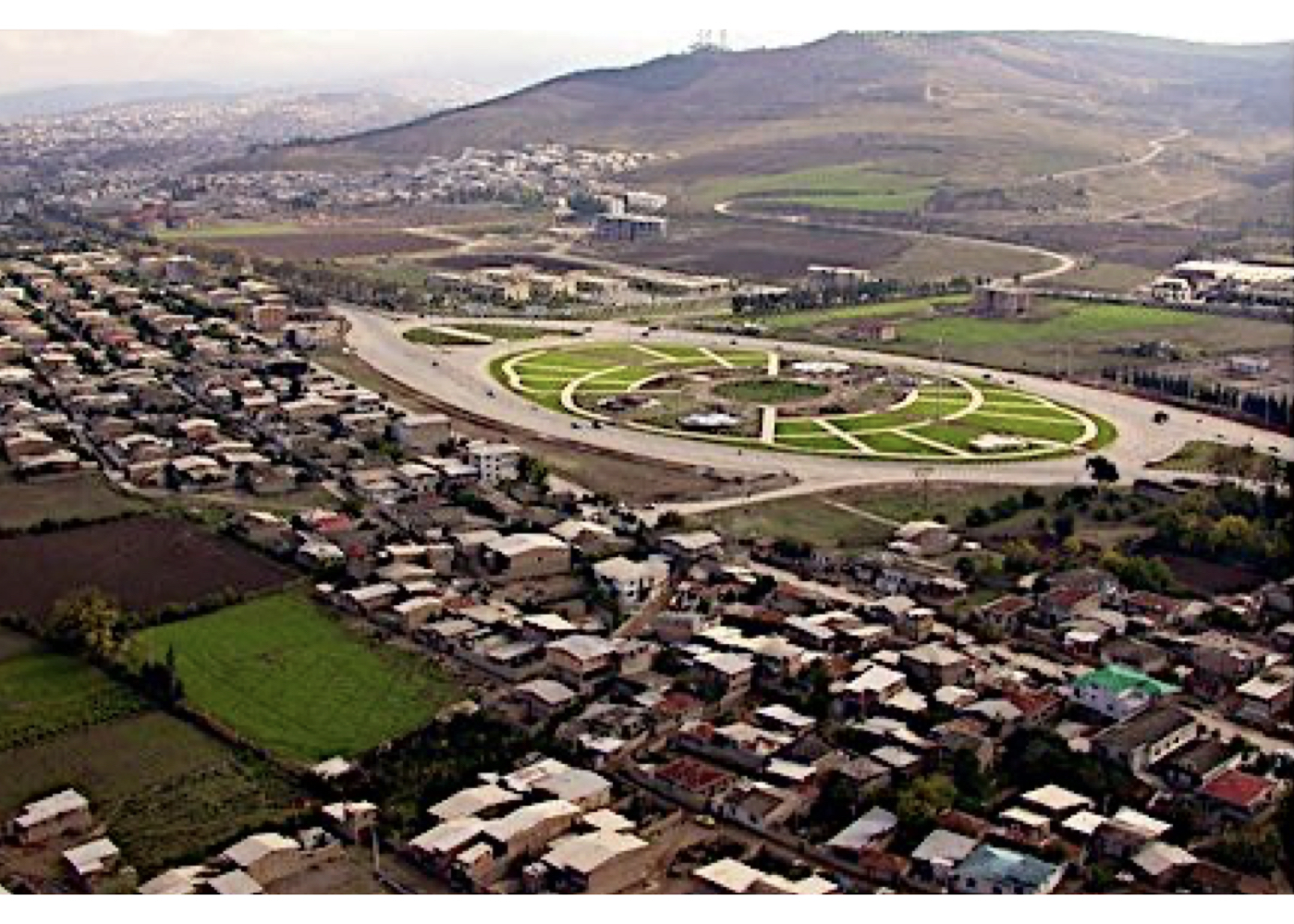
| 24 | Natural Structures | Mountains Dominating the City | Natural essence – Social and ecological connection | Zoning based on structural influence, revitalization, active protection, appropriate uses based on mountain characteristics, potential for stone gardens | Strategic + Executed |
|
| 25 | Natural Structures | Inner and Peripheral Urban Hills | Natural essence – Social and ecological connection | Zoning based on structural impact, revitalization, active protection, suitable activities for hill typologies, construction of specialized day–night gardens | Strategic + Designed |
|
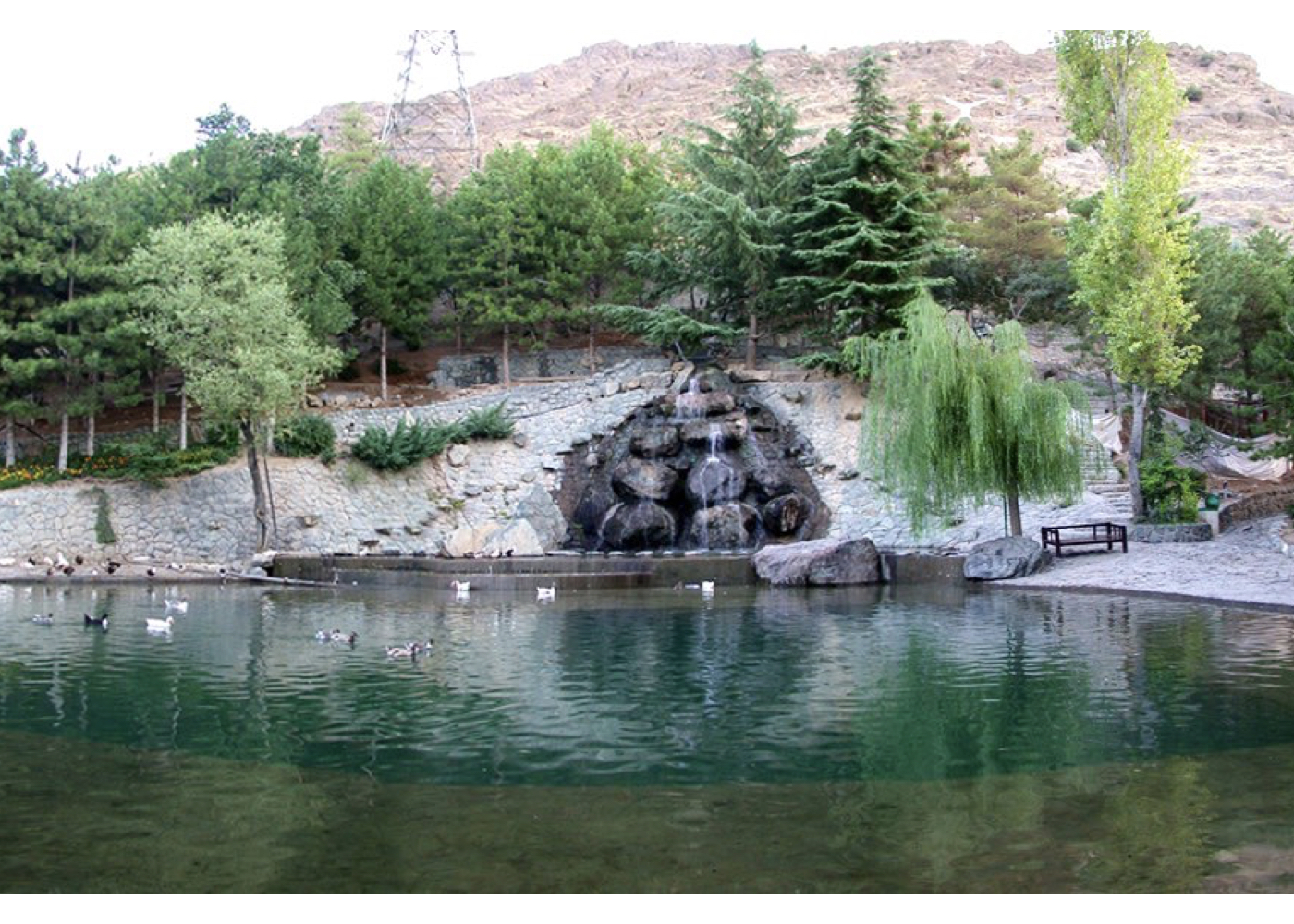
| 26 | Natural Structures | Foothill Lands | Natural essence – Social and ecological connection | Zoning from structural influences, revitalization, active maintenance, land-specific activities, construction of specialized day–night gardens | Designed + Executed |
|
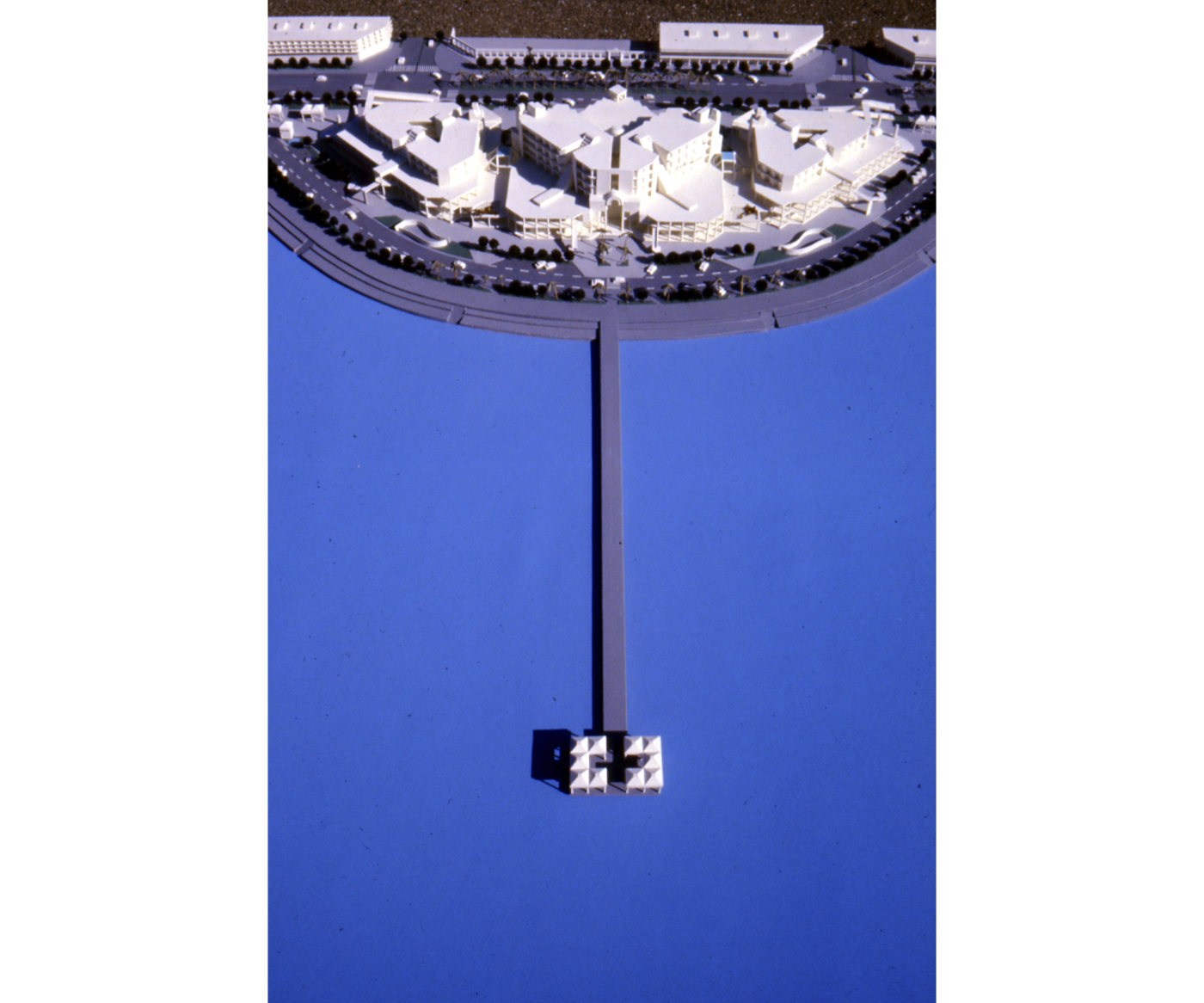
| 27 | Natural Structures | Urban–Coastal Interface | Natural essence – Social and ecological connection | Safety improvements, revitalization, redesign of access routes from the city, coastal landscaping, construction and planning regulations for waterfront areas | Strategic + Designed |
|
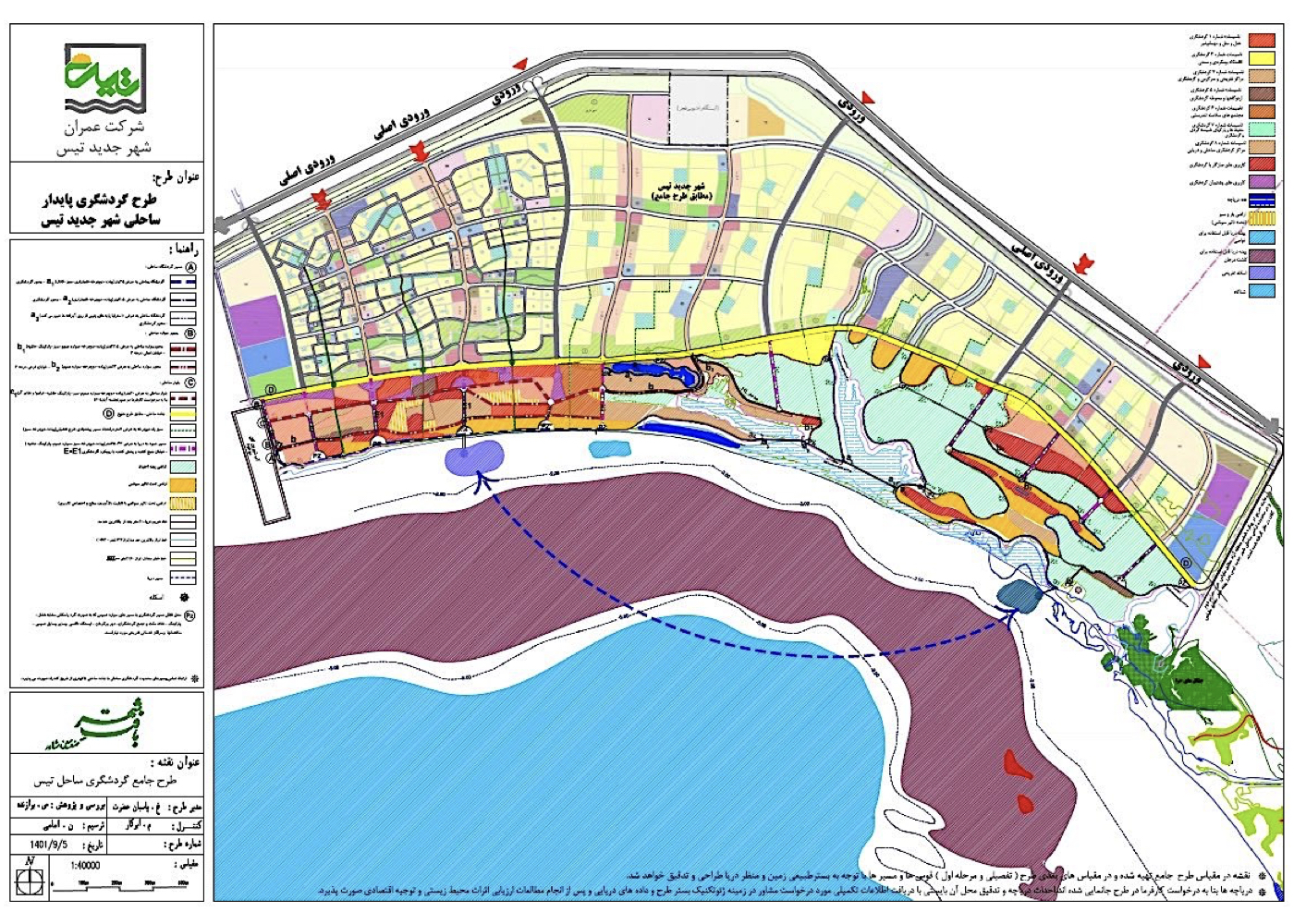
| 28 | Natural Structures | Coastal Tourism | Tranquility and social connection | Safety measures, zoning integrated with structural factors, planning of access routes from the city, coastal landscaping, and construction regulations | Strategic + Prototype |
|
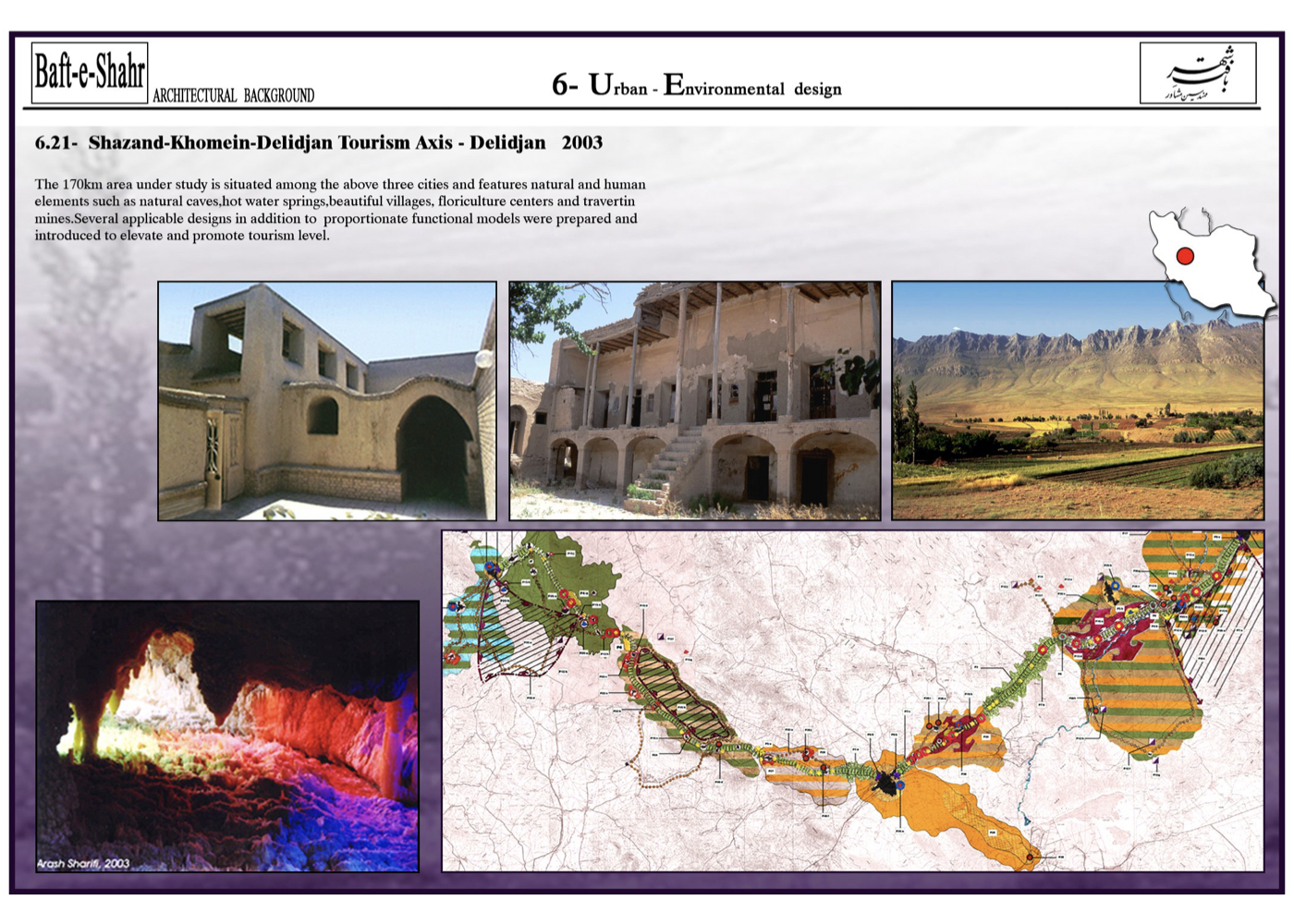
| 29 | Rural Tourism Routes | Rural Tourism Routes | Natural assets – Social connection | Route and corridor safety improvements, revitalization of valuable buildings, zoning and management of key sites, landscape design, construction guidelines on both sides of the road | Strategic + Prototype |
|
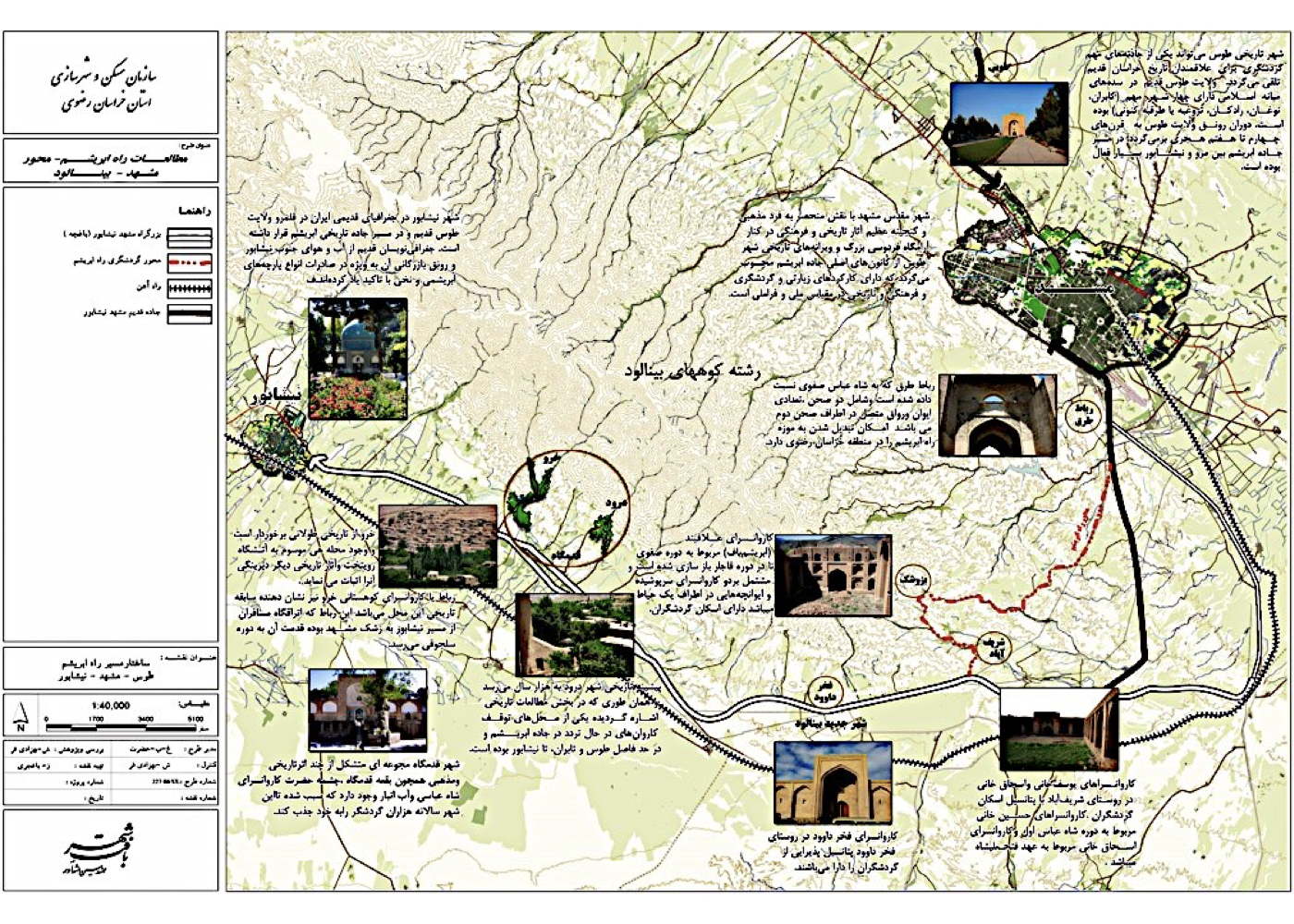
| 30 | Rural Tourism Routes | Historical Tourism Routes | Natural assets – Social connection | Safety upgrades, restoration of historic buildings, zoning of special and heritage zones, landscape planning, building regulations along both sides and within heritage boundaries | Strategic + Prototype |
|
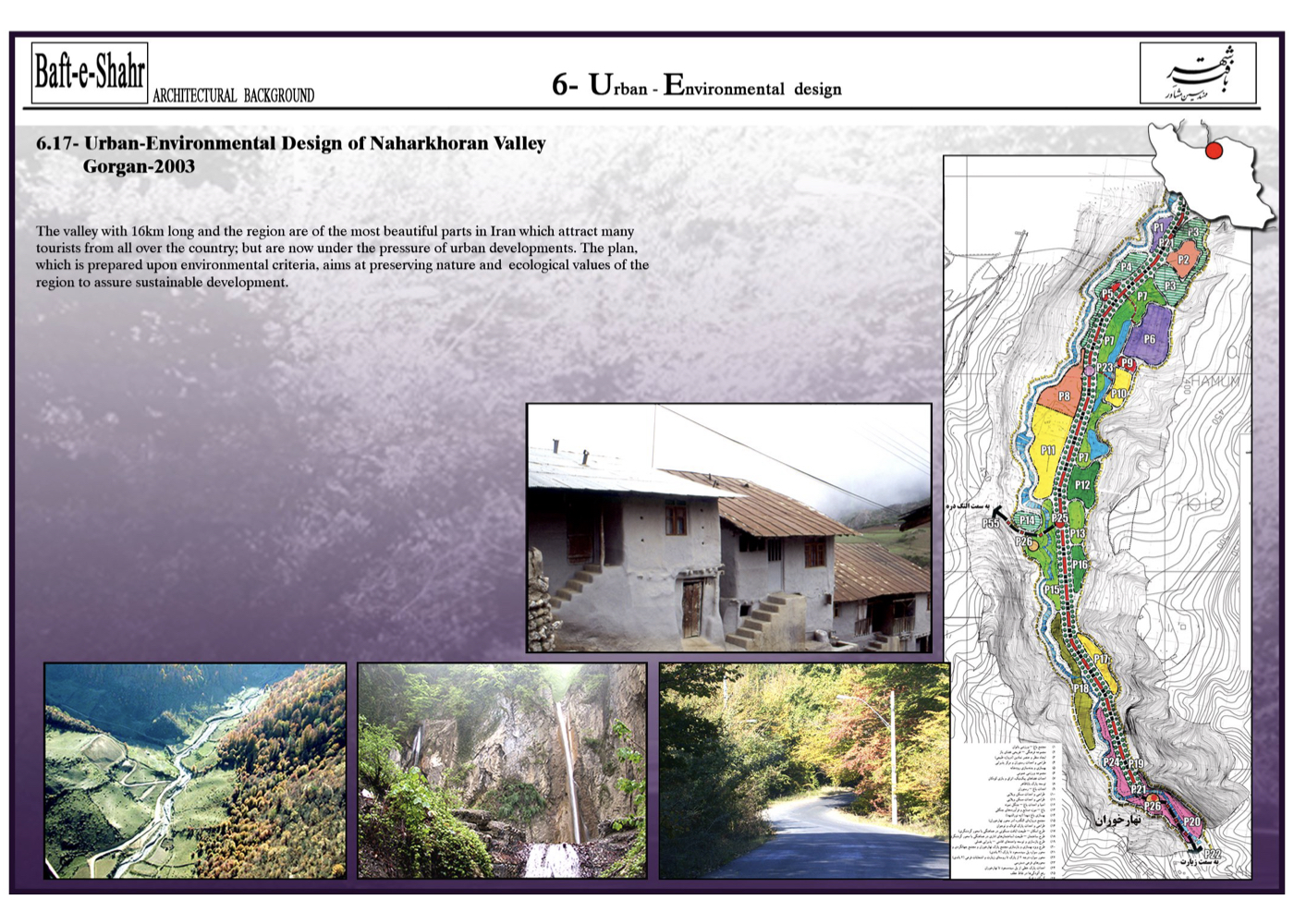
| 31 | Urban–Environmental Design | Active Stewardship of a City's Natural Assets | Conservation – Sustainable Use Aligned with Capacity | Prioritizing the application of environmental studies and environmental design principles in all planning efforts involving a city’s natural essences (natural heritage) | Strategic + Prototype | 6. Urban-Environmental Design |